
Himalayan cypress (Cupressus torulosa)
Also known as: Bhutan cypress
The Himalayan cypress, an evergreen conifer with distinctive pointed leaves, is also popular as an ornamental tree for both indoor and outdoor settings. Its timber, known for its straight grain and fine texture, is utilized in making furniture, crafting fine art pieces, and constructing railway carriages.
In This Article
Attributes of Himalayan cypress
Lifespan
Perennial
Plant Type
Tree
Plant Height
45 m
Spread
2.5 m
Leaf Color
Dark green
Flower Size
N/A (coniferous tree, does not produce flowers)
Flower Color
Yellow Green
Images of Himalayan cypress
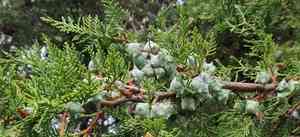
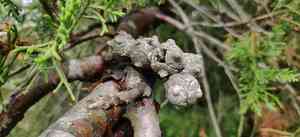
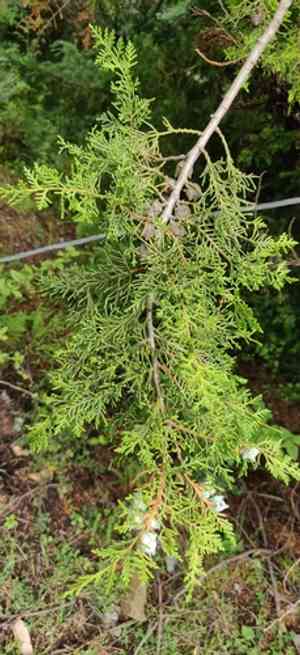
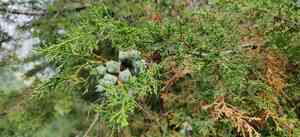
Quickly Identify Himalayan cypress
1
Identify Cupressus torulosa by its tall, straight trunk and dark green, scale-like leaves arranged in dense, flattened sprays. Its bark is reddish-brown and peels off in thin strips.
Scientific Classification of Himalayan cypress
Phylum
Vascular plants
Class
Conifers
Order
Pinales
Family
Cypress
Genus
Cypresses
Species
Himalayan cypress
Planting and Growing of Himalayan cypress
Care Difficulty
Easy
Watering Schedule
Every 2 days
Sunlight Requirements
Full sun
Sunshine Duration
6-10 hours
Ideal Temperature
60-75℉
Soil Type
Potting Mix, Peat Mix
Soil pH
6.5-7.5
Fertilizer Type
Balanced
Pruning Season
Spring, Summer
Pruning Area
Branches, Leaves
Pruning Frequency
2 times a year
Repotting Season
Spring
Pot Type
Terracotta, Plastic
 How to Water Himalayan cypress?
When watering Cupressus torulosa, the goal is to moisten the soil evenly without letting it become waterlogged. Roughly 1000 ml of water will typically suffice, making sure it reaches the root zone. The soil should feel consistently moist but not soggy to the touch – this is crucial to ensure healthy growth.
What are the symptoms of an underwatered Himalayan cypress?
›
What should I do if my Himalayan cypress is not getting enough water?
›
What are the symptoms of an overwatered Himalayan cypress?
›
How to save an overwatered Himalayan cypress?
›
 What Are the Sunlight Requirements for Himalayan cypress?
Cupressus torulosa benefits from receiving full to partial sun exposure. Ideal lighting conditions ensure the plant maintains vibrant foliage and robust growth, preventing patterns of leggy development.
More About Sunlight Requirements Techniques→
What are the optimal lighting conditions for Cupressus torulosa?
›
How can one achieve the ideal light exposure for Cupressus torulosa?
›
What benefits arise from providing ideal lighting to Cupressus torulosa?
›
 What Is the Ideal Temperature Range for Himalayan cypress?
Cupressus torulosa thrives best in temperatures ranging from 60°F to 75°F. This range ensures optimum photosynthesis and respiration rates, fostering healthy growth and foliage. Maintaining this temperature range mimics their natural habitat conditions, contributing to robust health and development.
 What Soil is Best for Himalayan cypress?
Cupressus torulosa thrives in soils that efficiently retain moisture while allowing adequate drainage. This balance helps prevent roots from becoming waterlogged, which can lead to root rot. The capacity to hold moisture also ensures that the tree can withstand periods of drought, promoting its overall health and longevity. Soils rich in organic matter provide essential nutrients necessary for the optimal growth of Cupressus torulosa. Adequate nutrient availability supports robust growth, enhances the color of foliage, and strengthens the tree's natural defenses against pests and diseases. Good soil aeration is crucial for Cupressus torulosa as it ensures that oxygen reaches the roots, promoting healthy root development. Aeration also facilitates the breakdown of organic matter, releasing nutrients into the soil to nourish the tree.
 How to Fertilize Himalayan cypress?
For Cupressus torulosa, apply a balanced fertilizer, like a 10-10-10 NPK ratio. Use approximately 1/3 pound for every foot of plant height, ensuring even distribution around the root zone to prevent nutrient deficiency or over-application.
 How to Prune Himalayan cypress?
Start by assessing the overall shape of the Cupressus torulosa. Determine which branches need trimming to maintain symmetry and encourage upward growth. Cut away any dead, diseased, or broken branches back to healthy wood to improve air circulation and prevent the spread of disease. This promotes healthier growth by allowing more light to penetrate the interior. Shape the tree by trimming the longest branches, particularly those disrupting the desired conical shape of Cupressus torulosa. Make clean cuts at a slight angle above a bud or lateral branch to encourage new growth. Prune lightly to maintain the tree's natural shape. Thin out overcrowded branches to reduce wind resistance and prevent potential storm damage, while ensuring a robust central leader.
More About Pruning Techniques→
 How to Propagate Himalayan cypress plant?
1
Collect seeds from mature cones during the early spring. The seeds should be cleaned and stratified to break dormancy, simulating winter conditions for about 30 days before planting to enhance germination rates.
2
Fill seed trays with a well-draining sandy soil mix and plant the seeds at a shallow depth. Ensure that they are spaced evenly and keep the soil consistently moist but not waterlogged to promote germination.
3
Cuttings should be taken from healthy, semi-hardwood branches in spring. Each cutting should be 6-8 inches long and stripped of the lower leaves. Dipping the cut end in rooting hormone can boost root development.
 How to Repot Himalayan cypress plant?
1
Cupressus torulosa typically needs repotting when its roots begin to encircle the pot or protrude from the drainage holes. These are clear indicators that the plant has outgrown its current container and requires more space to flourish.
2
Select a pot that is 1-2 inches larger in diameter than the existing one. This size ensures adequate room for root expansion without overwhelming the plant with too much soil that can retain excess moisture, causing root rot.
3
Opt for a well-draining potting mix, enriched with organic matter like compost. This type of soil provides good drainage and aeration, essential for preventing root rot and allowing the roots to access oxygen effectively.



