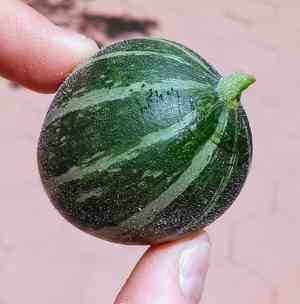
Buffalo gourd (Cucurbita foetidissima)
Also known as: Calabazilla, Coyote gourd, Prairie gourd, Stink gourd
Jatropha curcas is a perennial plant that thrives in semiarid regions and deserts. It produces oil-rich seeds, which have the potential to be used for biodiesel production. The plant is known for its drought resistance and ability to grow in poor soils.
In This Article
Attributes of Buffalo gourd
Lifespan
Perennial, Annual
Plant Type
Herb, Vine
Plant Height
2 m to 10 m
Spread
6 m
Leaf Color
Green Gray
Flower Size
1 cm to 1.8 cm
Flower Color
Yellow
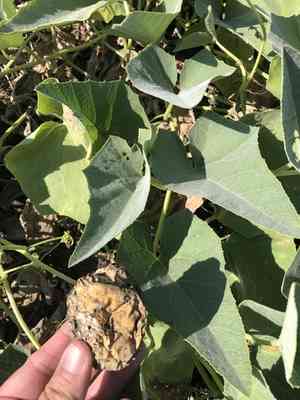
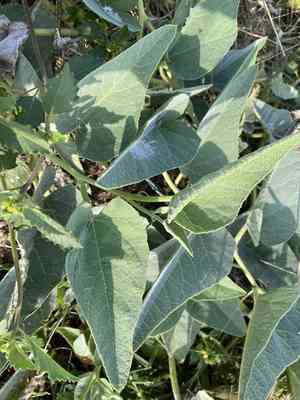
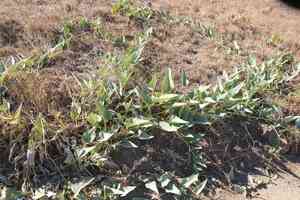
Images of Buffalo gourd
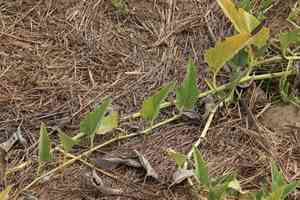
Quickly Identify Buffalo gourd
1
Identify Cucurbita foetidissima by its large, lobed leaves, rough texture, and strong odor. The plant produces yellow flowers and hard, round gourds.
Scientific Classification of Buffalo gourd
Phylum
Vascular plants
Class
Dicotyledons
Order
Cucurbitales
Family
Gourd
Genus
Squashes
Species
Buffalo gourd
Planting and Growing of Buffalo gourd
Care Difficulty
Easy
Watering Schedule
Every 2 days
Sunlight Requirements
Full sun
Sunshine Duration
6-10 hours
Ideal Temperature
70-85℉
Soil Type
Potting Mix, Peat Mix
Soil pH
6.5-7.5
Fertilizer Type
Balanced
Pruning Season
Spring, Summer
Pruning Area
Branches, Leaves
Pruning Frequency
2 times a year
Repotting Season
Spring
Pot Type
Plastic, Ceramic
 How to Water Buffalo gourd?
Water Cucurbita foetidissima, commonly known as buffalo gourd, with about 500 ml of water per session. Ensure the soil is moistened deeply but not waterlogged, allowing the roots to access necessary moisture while avoiding root rot.
What are the symptoms of an underwatered Buffalo gourd?
›
What should I do if my Buffalo gourd is not getting enough water?
›
What are the symptoms of an overwatered Buffalo gourd?
›
How to save an overwatered Buffalo gourd?
›
 What Are the Sunlight Requirements for Buffalo gourd?
Cucurbita foetidissima thrives in full sun. Adequate sunlight ensures healthy foliage and strong, resilient growth, with optimal photosynthesis supporting its vigor throughout growing seasons, promoting fruit development and survival in drought.
How much light does it need?
›
What are the solutions to obtain ideal lighting?
›
What benefits does ideal lighting provide?
›
 What Is the Ideal Temperature Range for Buffalo gourd?
Cucurbita foetidissima thrives ideally between temperatures of 70°F to 85°F. This range ensures optimum metabolic activity, enhances nutrient uptake, and supports healthy growth and reproduction processes, making it perfect for this plant's development.
 What Soil is Best for Buffalo gourd?
This plant requires well-draining soil to prevent root rot. Ensuring good drainage helps the roots breathe and reduces the risk of fungal diseases. While this plant is hardy, it thrives in soil enriched with organic matter, boosting growth and enhancing fruit production. Though it prefers dry conditions, some moisture retention is beneficial, especially during initial growth phases to establish roots firmly.
 How to Fertilize Buffalo gourd?
When fertilizing Cucurbita foetidissima, it's crucial to apply a balanced amount. For liquid fertilizers, use about 1/4 teaspoon per gallon of water. For slow-release fertilizers, a handful scattered around the root zone suffices. This amount ensures that the plant receives optimal nutrients without overwhelming its system, promoting steady growth and vibrant foliage.
 How to Prune Buffalo gourd?
Ensure you prune during dry weather to prevent fungal infections. Make cuts at a slight angle, close to the node, to promote quicker healing. Avoid pruning too late into summer as new growth may not harden off before winter. Cucurbita foetidissima can be sensitive to harsh pruning. Gradually remove smaller sections rather than large cuts. This helps the plant to adapt and reduces shock. Monitor the plant for signs of distress.
 How to Propagate Buffalo gourd plant?
1
Before sowing, soak the seeds of Cucurbita foetidissima in tepid water for 12 to 24 hours. This process helps in breaking dormancy and increases the rate of germination.
2
Plant the seeds in seed trays filled with well-draining soil. Ensure each seed is covered lightly with soil, and keep the soil consistently moist without waterlogging.
3
Select healthy roots from an existing plant, cut them into sections about 4 inches long, and treat with rooting hormone to encourage growth before planting in soil.
 How to Repot Buffalo gourd plant?
1
The ideal times to repot Cucurbita foetidissima are during the vibrant seasons of spring or summer when the plant displays active growth. Key signals that indicate a need for repotting include roots circling the container's base, visible roots through drainage holes, or slowed growth despite optimal conditions. Catching these signs early ensures the plant has sufficient room to thrive.
2
Select a pot that is one to two inches larger in diameter than the current one, preferably made of terracotta or a breathable material that allows for excellent airflow. This choice prevents root rot, as the porous material lends itself to quick moisture evaporation, diligently assisting in maintaining an ideal moisture level for the plant. Ensure it has ample drainage holes to support healthy growth.
3
Opt for a well-draining sandy loam soil mix to support Cucurbita foetidissima’s preference for arid regions. Incorporate organic matter, such as compost, to enhance nutrient availability and water retention without compromising drainage. This tailored soil composition mimics the plant's natural environment, ensuring robust root health and overall vitality.
Toxicity
Ingestion
WARNING
The judgment on toxicity and danger is for reference only. We DO NOT GUARANTEE any accuracy of such judgment. Therefore, you SHALL NOT rely on such judgment. It is IMPORTANT TO SEEK PROFESSIONAL ADVICE in advance when necessary.


