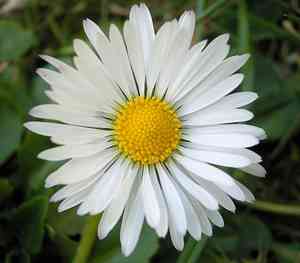
Stiff-leaf scratch-daisy (Croptilon rigidifolium)
Also known as: None
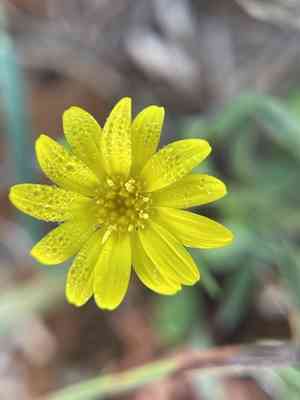
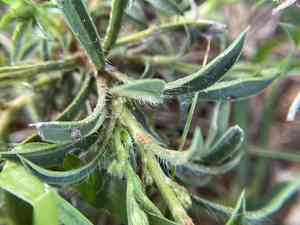
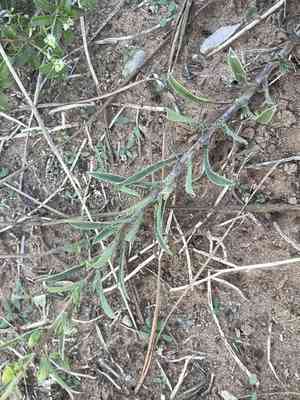
The stiff-leaf scratch-daisy is a robust perennial herb characterized by its narrow, rigid leaves that grow from a dense base. It favors sunny, open areas with rocky or sandy soils. This plant blooms with vibrant yellow flowers on tall, slender stems, especially in late summer and fall, providing essential nectar for pollinators in its environment.
In This Article
Attributes of Stiff-leaf scratch-daisy
Lifespan
Perennial
Plant Type
Herb
Plant Height
30-100 cm
Spread
Not applicable
Leaf Color
Green
Flower Size
1-3 cm
Flower Color
Yellow
Images of Stiff-leaf scratch-daisy
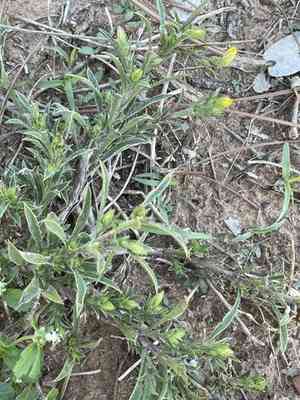
Quickly Identify Stiff-leaf scratch-daisy
1
To identify Croptilon rigidifolium, look for its stiff, erect stems and linear, rigid leaves. The plant produces bright yellow, daisy-like flowers which are a key characteristic.
Scientific Classification of Stiff-leaf scratch-daisy
Phylum
Vascular plants
Class
Dicotyledons
Order
Asterales
Family
Daisy
Genus
Scratchdaisy
Species
Stiff-leaf scratch-daisy
Planting and Growing of Stiff-leaf scratch-daisy
Care Difficulty
Moderate
Watering Schedule
Every 2 days
Sunlight Requirements
Full sun
Sunshine Duration
4-8 hours
Ideal Temperature
60-72℉
Soil Type
Potting Mix, Peat Mix
Soil pH
6.5-7.5
Fertilizer Type
Balanced
Pruning Season
Spring, Summer
Pruning Area
Branches, Leaves
Pruning Frequency
2 times a year
Repotting Season
Spring
Pot Type
Plastic, Ceramic
 How to Water Stiff-leaf scratch-daisy?
For Croptilon rigidifolium, it's essential to ensure the soil remains slightly moist but not saturated. A watering session of approximately 150 ml, evenly distributed around the base, usually suffices to penetrate the root zone without causing waterlogging. This amount helps maintain the plant's hydration balance, especially in dry conditions.
What are the symptoms of an underwatered Stiff-leaf scratch-daisy?
›
What should I do if my Stiff-leaf scratch-daisy is not getting enough water?
›
What are the symptoms of an overwatered Stiff-leaf scratch-daisy?
›
How to save an overwatered Stiff-leaf scratch-daisy?
›
 What Are the Sunlight Requirements for Stiff-leaf scratch-daisy?
Croptilon rigidifolium’s ideal light range is full sun, enhancing flowering and structural strength. Sustaining full sun exposure ensures maximal photosynthetic output, encouraging the plant’s distinctive leaf and flower formation.
Optimal Light for Croptilon rigidifolium
›
Solutions for Achieving Ideal Light
›
Benefits of Ideal Light Conditions
›
 What Is the Ideal Temperature Range for Stiff-leaf scratch-daisy?
For Croptilon rigidifolium to thrive, maintaining temperatures between 60°F and 72°F is optimal. This range supports metabolic processes, encourages healthy growth, and prevents stress.
 What Soil is Best for Stiff-leaf scratch-daisy?
Croptilon rigidifolium thrives in well-draining soil that prevents waterlogging. This condition helps prevent root rot and promotes healthy growth by allowing roots to access oxygen more effectively. A slightly acidic to neutral pH ranging from 6.5 to 7.5 suits the plant well. This range ensures that essential nutrients remain readily available, supporting robust foliage and flowering. The plant benefits from soil rich in organic matter and essential nutrients. It enhances the plant's vigor by supplying it with the necessary resources for growth and resilience against pests and diseases.
 How to Fertilize Stiff-leaf scratch-daisy?
For Croptilon rigidifolium, balanced fertilization is crucial. Use a liquid fertilizer with a NPK ratio such as 10-10-10 or 20-20-20 at half the recommended strength, as too much fertilizer can harm the plant. For slow-release fertilizers, apply as directed on the package, usually spreading it evenly around the base of the plant.
 How to Prune Stiff-leaf scratch-daisy?
Begin by examining the plant for any dead or damaged branches. These should be your initial focus. Cut back to healthy tissue to prevent the spread of disease and encourage new growth. To maintain a desirable shape, trim back any overgrown branches. Aim for a compact, rounded form. This not only enhances the plant's appearance but also ensures even sunlight distribution across the plant. Croptilon rigidifolium can become quite bushy, leading to poor air circulation. Trim selectively to thin out particularly dense areas. This will help in preventing fungal infections and other plant diseases.
More About Pruning Techniques→
 How to Propagate Stiff-leaf scratch-daisy plant?
1
Begin by filling seed trays with a high-quality seed-starting mix. Moisten the mix to ensure even germination. Sow the seeds evenly across the surface and cover lightly with a thin layer of soil. Place them in a warm, bright location, keeping the medium moist but not waterlogged.
2
Select a healthy, non-flowering shoot from the parent plant. Using sharp pruners, cut a 4-6 inch piece just below a node. Remove the lower leaves to prevent rot and dip the base in rooting hormone to encourage root formation.
3
Place the cuttings in a pot filled with a well-draining medium such as a mixture of perlite and peat. Ensure the medium is kept consistently moist. Place a plastic bag over the pot to maintain humidity until roots develop, typically in 4-6 weeks.
 How to Repot Stiff-leaf scratch-daisy plant?
1
Repotting Croptilon rigidifolium is best done when you notice roots emerging from the drainage holes, slow growth, or when the plant becomes root-bound. These are clear indicators that your plant requires more space and fresh nutrients.
2
Select a pot that is 1 to 2 inches larger in diameter than the current one, with adequate drainage holes. A slightly larger pot encourages healthy root development without overwhelming the plant with too much soil.
3
Opt for a well-drained sandy loam soil, which mimics the plant's natural habitat. This soil type provides excellent drainage, preventing waterlogged conditions that could induce root rot.



