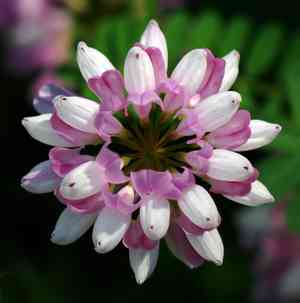
Yellow crown vetch (Coronilla scorpioides)
Also known as: Caterpillar Plant, Scorpion Vetch
Yellow crown vetch (Coronilla scorpioides) originates from Africa, Asia, and Europe. While it is a valuable food source for cattle, goats, and sheep due to its high protein content, it is harmful to horses. This toxicity arises from the way horses metabolize certain compounds in the plant, leading to the production of toxic substances that can cause severe health issues.
In This Article
Attributes of Yellow crown vetch
Lifespan
Annual, Perennial
Plant Type
Herb
Plant Height
40 cm
Spread
Varies; typically sprawling and not forming a distinct crown
Leaf Color
Green
Flower Size
4 mm to 8 mm
Flower Color
Yellow
Images of Yellow crown vetch
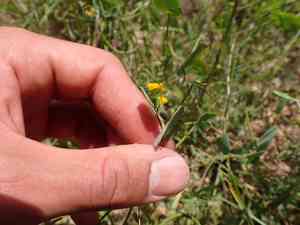
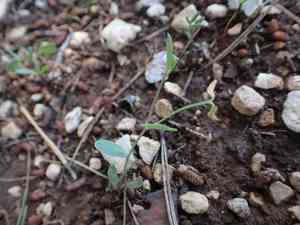
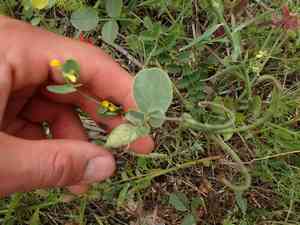
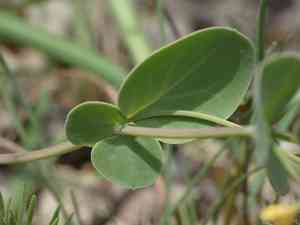
Quickly Identify Yellow crown vetch
1
To identify Coronilla scorpioides, look for its characteristic yellow flowers that are arranged in a unique manner resembling a scorpion\'s tail. The leaves are pinnate with small leaflets, and the plant often has slender, trailing stems.
Scientific Classification of Yellow crown vetch
Phylum
Vascular plants
Class
Dicotyledons
Order
Fabales
Family
Legume
Genus
Coronilla
Species
Yellow crown vetch
Planting and Growing of Yellow crown vetch
Care Difficulty
Easy
Watering Schedule
Every 2 days
Sunlight Requirements
Full sun
Sunshine Duration
4-8 hours
Ideal Temperature
59-77℉
Soil Type
Potting Mix, Peat Mix
Soil pH
6.5-7.5
Fertilizer Type
Balanced
Pruning Season
Spring, Summer
Pruning Area
Branches, Leaves
Pruning Frequency
2 times a year
Repotting Season
Spring
Pot Type
Plastic, Ceramic
 How to Water Yellow crown vetch?
Coronilla scorpioides thrives when watered with about 250 milliliters each session. Ensure the soil feels moist but not waterlogged. Adopt the principle of 'less is more,' allowing the top layer of soil to dry out between watering to promote healthy root development.
What are the symptoms of an underwatered Yellow crown vetch?
›
What should I do if my Yellow crown vetch is not getting enough water?
›
What are the symptoms of an overwatered Yellow crown vetch?
›
How to save an overwatered Yellow crown vetch?
›
 What Are the Sunlight Requirements for Yellow crown vetch?
Coronilla scorpioides flourishes best in partial to full sun environments. Such light conditions ensure vigorous growth, enhance blooming, and strengthen the plant's overall structure and disease resistance.
More About Sunlight Requirements Techniques→
Position and Environment
›
Seasonal Adaptations
›
Balancing Light with Plant Health
›
 What Is the Ideal Temperature Range for Yellow crown vetch?
The ideal temperature range for growing Coronilla scorpioides is between 59°F and 77°F. This range is optimal for photosynthesis and enables vigorous growth. Ensuring that the plant stays within this temperature range will promote healthy foliage and blooming potential. Proper temperature management ensures the plant utilizes nutrients effectively and maintains hydration levels to support life cycles.
 What Soil is Best for Yellow crown vetch?
Coronilla scorpioides thrives in nutrient-rich soil that ensures healthy growth and vibrant blooms. Rich soil provides essential nutrients that support plant metabolism and improve overall vigor. This plant prefers well-drained soil to prevent root rot and waterlogging. Proper drainage ensures that roots receive adequate oxygen, reducing the risk of fungal infections and promoting robust growth. Balanced soil moisture is crucial for Coronilla scorpioides as overly dry or soggy conditions can stress the plant. Moderation maintains necessary hydration levels, supporting sustained growth and blooming.
 How to Fertilize Yellow crown vetch?
For Coronilla scorpioides, using a balanced fertilizer with an NPK ratio of 10-10-10 is ideal. During the growing season, apply around 1 tablespoon of fertilizer per plant. Ensure that the soil is adequately moist before applying liquid fertilizers to prevent root burn.
 How to Prune Yellow crown vetch?
Inspect the plant thoroughly for any dead or diseased stems. Cut these back to their base as soon as they are spotted, using clean, sharp tools to prevent further infection. Identify branches that have outgrown their space or are interrupting the plant’s natural form. Cut these selectively to maintain the desired shape and ensure the plant remains neat. Once the flowering season is over, you can focus on shaping the plant to encourage next season’s blooms. Cut back any unruly growth to create a balanced, attractive shape.
More About Pruning Techniques→
 How to Propagate Yellow crown vetch plant?
1
Start by soaking the seeds in lukewarm water for 24 hours to soften the seed coat and improve germination rates. This helps initiate the growth process.
2
Plant the seeds in trays filled with the sterilized potting mix. Ensure they are covered with a thin layer of soil to protect them while allowing sunlight exposure for germination.
3
Moisten the potting mix with a fine mist spray. Maintain consistent moisture levels without overwatering to prevent root rot and promote healthy seedling growth.
 How to Repot Yellow crown vetch plant?
1
Recognize the signs that Coronilla scorpioides needs repotting: roots emerging from the drainage holes or the soil drying out more rapidly than usual. These are clear indicators that your plant requires more space.
2
Select a pot that is 2 inches larger in diameter than the current one. This provides ample space for root growth, promoting a healthier plant. A pot with drainage holes is essential to prevent waterlogging and root rot.
3
Opt for a well-draining potting mix with some added perlite or sand. This ensures aeration and prevents the soil from becoming compacted, which can harm the roots over time.
Toxicity
Ingestion
WARNING
The judgment on toxicity and danger is for reference only. We DO NOT GUARANTEE any accuracy of such judgment. Therefore, you SHALL NOT rely on such judgment. It is IMPORTANT TO SEEK PROFESSIONAL ADVICE in advance when necessary.
Learn More About Yellow crown vetch Diseases
Anthracnose
Bacterial Leaf Spot
Bacterial Wilt
Crown Gall
Cyst Nematode
Damping-off
Downy Mildew
Drought Stress
Fusarium Wilt
Gray Mold
Leaf Curl
Leaf Spot
Mosaic
Nutrient Deficiency
Nutrient Toxicity
Powdery Mildew
Root Rot
Root-knot Nematode
Rusts
Sooty Mold
Spider Mites
Temperature Stress
Thrips Damage
White Mold
Chemical Injury



