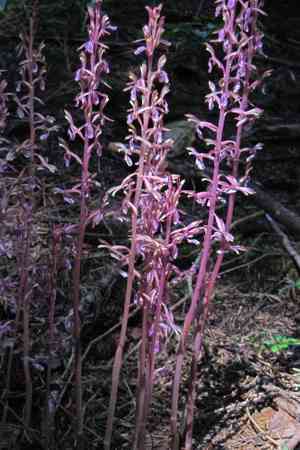
Pacific coralroot (Corallorhiza mertensiana)
Also known as: Western Coralroot, Pacific Coralroot
Pacific coralroot (*Corallorhiza mertensiana*), also known as Mertens’ coralroot or western coralroot, is native to northwestern North America. This orchid is mycoheterotrophic, meaning it relies on ectomycorrhizal fungi to obtain its nutrients, rather than producing its own through photosynthesis.
In This Article
Attributes of Pacific coralroot
Lifespan
Perennial
Plant Type
Herb
Plant Height
30 cm to 61 cm
Spread
Not applicable
Leaf Color
No leaves, leafless
Flower Size
2.5 cm
Flower Color
Pink Purple Red
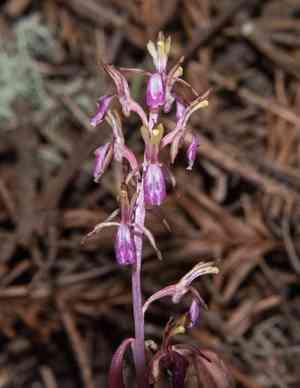
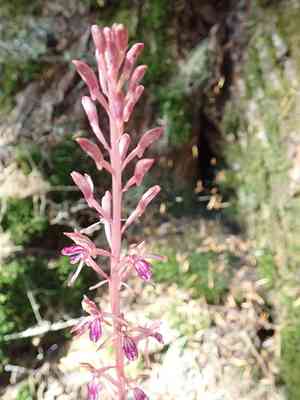
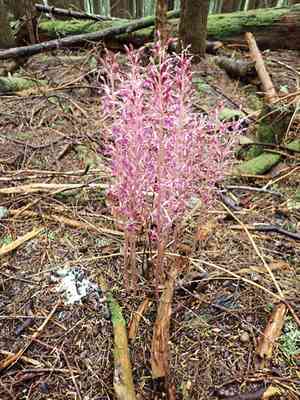
Images of Pacific coralroot
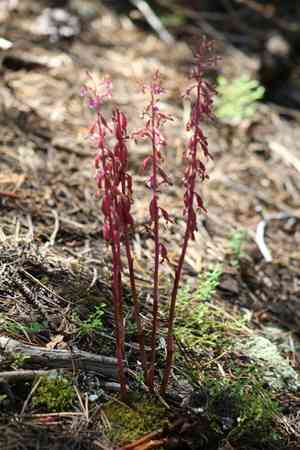
Quickly Identify Pacific coralroot
1
Identification of Corallorhiza mertensiana can be tricky due to its lack of green leaves. Look for its fleshy, leafless stems that range in color from dark purple to brownish and its distinctive clusters of 10-20 small, lavender, or purple flowers with white lips marked with purple spots.
Scientific Classification of Pacific coralroot
Phylum
Vascular plants
Class
Monocotyledons
Order
Asparagales
Family
Orchid
Genus
Coral root
Species
Pacific coralroot
Planting and Growing of Pacific coralroot
Care Difficulty
Hard
Watering Schedule
Every 2 days
Sunlight Requirements
Full shade
Sunshine Duration
4-8 hours
Ideal Temperature
55-75℉
Soil Type
Potting Mix, Peat Mix
Soil pH
6.5-7.5
Fertilizer Type
Balanced
Pruning Season
Spring, Summer
Pruning Area
Branches, Leaves
Pruning Frequency
2 times a year
Repotting Season
Spring
Pot Type
Plastic, Ceramic
 How to Water Pacific coralroot?
Corallorhiza mertensiana, also known as Merten’s coralroot, requires careful watering to maintain its unique growth. Aim for approximately 150 milliliters per session. It thrives in moist environments, but it’s crucial to ensure the substrate remains slightly damp and not waterlogged.
What are the symptoms of an underwatered Pacific coralroot?
›
What should I do if my Pacific coralroot is not getting enough water?
›
What are the symptoms of an overwatered Pacific coralroot?
›
How to save an overwatered Pacific coralroot?
›
 What Are the Sunlight Requirements for Pacific coralroot?
Corallorhiza mertensiana performs well in partial sun to full shade conditions. Achieving this balance supports its native growth environment, ensuring healthy photosynthesis without stress from extreme light exposure.
More About Sunlight Requirements Techniques→
What is the best light level for Corallorhiza mertensiana?
›
How to provide ideal lighting conditions?
›
What are the benefits of achieving ideal lighting?
›
 What Is the Ideal Temperature Range for Pacific coralroot?
The ideal temperature range for Corallorhiza mertensiana is between 55°F and 75°F. This range provides the right balance of warmth for optimal metabolism and growth while minimizing the risk of stress to the plant. Staying within these temperatures ensures that the plant can efficiently perform photosynthesis and other physiological processes.
 What Soil is Best for Pacific coralroot?
This plant thrives in moist environments where the soil retains water effectively. Ensuring adequate moisture levels supports the plant’s growth and prevents dehydration, which is essential for optimal development. Corallorhiza mertensiana requires a nutrient-rich substrate to fulfill its nutritional needs. A well-balanced soil that provides essential nutrients supports its unique growth processes and enhances its vitality. A well-aerated soil structure is critical to promote efficient root respiration and prevent compaction. This enhances the plant's access to oxygen, which supports metabolic functions and overall health.
 How to Fertilize Pacific coralroot?
Corallorhiza mertensiana, or Merten's Coralroot, is a unique orchid that often thrives in nutrient-poor environments. It requires a cautious approach when fertilizing. Use a diluted solution, such as a quarter-strength orchid fertilizer, applying approximately 1 tablespoon (about 15 ml) per gallon of water. This ensures that the plant receives nutrients without overwhelming its delicate balance. The amount should be minimal, as over-fertilization can be detrimental.
 How to Prune Pacific coralroot?
Begin by examining the plant for any dead or diseased foliage or stems. These will generally appear brown or wilted compared to healthy green parts. Remove these using clean, sharp scissors to promote healthier growth. After the flowering season, identify the old flower stems. These should be trimmed back to a node or base. This helps the orchid to conserve energy and focus on new growth. Orchid roots, particularly for terrestrial types like Corallorhiza mertensiana, should be disturbed as little as possible. If any pruning of roots is necessary, ensure the cuts are clean and minimal.
More About Pruning Techniques→
 How to Propagate Pacific coralroot plant?
1
Use well-draining soil, preferably mixed with leaf litter, to mimic the natural conditions of Corallorhiza mertensiana's habitat. This helps seedlings establish roots more effectively.
2
Scatter seeds lightly on the soil surface, ensuring they are not too deep. Fine misting is recommended to avoid disturbing the seeds while moisturizing the soil.
3
When using division propagation, ensure each division has sufficient roots. Transplant them into separate pots, keeping them shaded until new growth is visible.
 How to Repot Pacific coralroot plant?
1
Corallorhiza mertensiana signals the need for repotting when you notice reduced growth, wilting despite regular care, or roots poking through drainage holes. Aim to repot during its growing season, primarily in spring, when the plant is emerging from dormancy. This timing allows the roots to establish quickly in the new soil environment.
2
Selecting the right pot for your Corallorhiza mertensiana requires a keen eye. Opt for a pot that's only slightly larger than the current one, with great drainage to prevent waterlogging. Terracotta pots work well, helping the soil to breathe and evaporate excess moisture. A pot that's too large can retain moisture and lead to root rot.
3
This orchid thrives in a well-draining organic mix, mimicking its natural habitat. Choose a blend of bark, peat, and perlite, allowing for airflow and adequate moisture retention. The right soil prevents root suffocation and supports the delicate symbiotic relationship with soil fungi that orchids like Corallorhiza mertensiana rely on.
Learn More About Pacific coralroot Diseases
Anthracnose
Bacterial Leaf Spot
Bacterial Soft Rot
Bacterial Wilt
Crown Gall
Cyst Nematode
Damping-off
Downy Mildew
Drought Stress
Fusarium Wilt
Gray Mold
Leaf Spot
Mosaic
Nutrient Deficiency
Nutrient Toxicity
Powdery Mildew
Root Rot
Root-knot Nematode
Rusts
Sooty Mold
Spider Mites
Temperature Stress
Thrips Damage
White Mold



