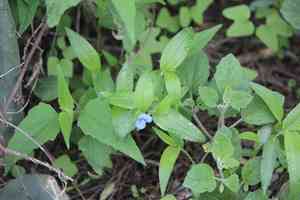
Climbing dayflower (Commelina diffusa)
Also known as: Honohono grass
The climbing dayflower, with its light blue blossoms, can serve as an appealing groundcover that draws bees and butterflies to the garden. Nonetheless, it has a tendency to spread swiftly as its nodes root upon contact with the soil. This rapid growth can lead to its classification as an invasive species, often necessitating the use of herbicides to manage its spread effectively.
In This Article
Attributes of Climbing dayflower
Lifespan
Annual, Perennial, Biennial
Plant Type
Herb
Plant Height
5 cm to 10 cm
Spread
15 cm to 20 cm
Leaf Color
Green Red
Flower Size
4 mm to 1.4 cm
Flower Color
Blue
Images of Climbing dayflower
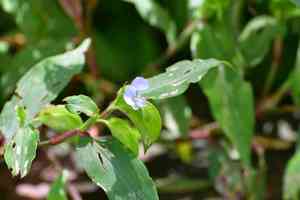
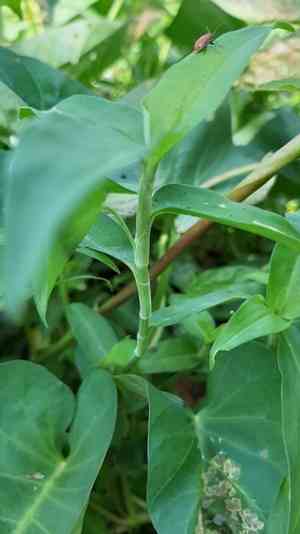
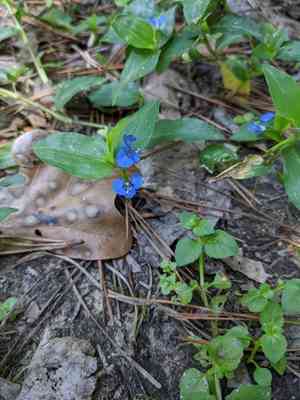
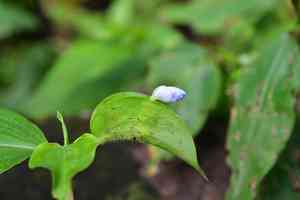
Quickly Identify Climbing dayflower
1
Look for the creeping, sprawling stems, ovate leaves, and distinctive blue flowers with two large upper petals and one smaller lower petal.
Scientific Classification of Climbing dayflower
Phylum
Vascular plants
Class
Monocotyledons
Order
Commelinales
Family
Spiderwort
Genus
Dayflowers
Species
Climbing dayflower
Planting and Growing of Climbing dayflower
Care Difficulty
Easy
Watering Schedule
Every 4 days
Sunlight Requirements
Partial sun
Sunshine Duration
4-6 hours
Ideal Temperature
68-77℉
Soil Type
Potting Mix, Peat Mix
Soil pH
5.5-7.5
Fertilizer Type
Balanced
Pruning Season
Spring, Summer
Pruning Area
Branches, Leaves
Pruning Frequency
2 times a year
Repotting Season
Spring
Pot Type
Plastic, Ceramic
 How to Water Climbing dayflower?
Commelina diffusa thrives when its soil is kept consistently moist but not waterlogged. The optimal watering practice is to allow the top inch of soil to dry out slightly before rehydrating the plant. Each watering session should deliver about 250 ml of water, enough to moisten the soil thoroughly without causing water to pool at the base.
What are the symptoms of an underwatered Climbing dayflower?
›
What should I do if my Climbing dayflower is not getting enough water?
›
What are the symptoms of an overwatered Climbing dayflower?
›
How to save an overwatered Climbing dayflower?
›
 What Are the Sunlight Requirements for Climbing dayflower?
Commelina diffusa prefers partial sun to full shade, thriving in indirect sunlight conditions. Such light exposure supports lush growth and prevents leaf burn while maintaining healthy development.
What is Commelina diffusa's ideal lighting condition?
›
Why is indirect light preferred?
›
What are the benefits of providing ideal lighting?
›
 What Is the Ideal Temperature Range for Climbing dayflower?
The ideal temperature range for Commelina diffusa is between 68°F and 77°F. This temperature range provides optimal conditions for growth and development, ensuring healthy foliage and vibrant blooms. Within this range, metabolic and photosynthetic processes occur at their most efficient rates, supporting overall plant health.
 What Soil is Best for Climbing dayflower?
Commelina diffusa thrives in nutrient-rich soil that ensures robust growth and vibrant foliage. Loamy and sandy soils are particularly beneficial as they provide the required nutrients and support a balanced moisture level while allowing air penetration for root health. Proper drainage is crucial to prevent root rot in Commelina diffusa. Sandy loam offers excellent drainage capability while retaining enough moisture for the plant. This balance ensures roots remain healthy, promoting vigorous plant growth. The soil should retain adequate moisture without becoming soggy. Loamy soils, with their sponge-like retention, are ideal as they retain moisture yet dry somewhat between watering, providing necessary hydration without over-wetting.
 How to Fertilize Climbing dayflower?
For Commelina diffusa, apply a balanced liquid fertilizer diluted to half strength at a rate of 10-20 ml per plant. This ensures the plant receives nutrients without the risk of root burn.
 How to Prune Climbing dayflower?
To effectively prune Commelina diffusa, start by identifying any dead or damaged stems and remove them with a pair of sharp scissors or pruning shears. This will help redirect the plant's energy to healthier areas. Next, trim back any excessively long growth to encourage denser and bushier foliage. Aim to cut about a quarter of the plant back, making sure to cut just above a leaf node to stimulate new growth. Always sanitize your tools before pruning to prevent the spread of disease.
 How to Propagate Climbing dayflower plant?
1
Select healthy sections of the plant and use pruning shears to make a clean cut below a node. This will help the cutting to take root more effectively.
2
Fill small pots with well-draining potting soil and sow seeds just beneath the surface. Keep the soil moist to encourage germination.
3
Carefully dig around the root ball and separate sections of the plant. Each section should have a part of the root system attached for successful propagation.
 How to Repot Climbing dayflower plant?
1
Consider repotting Commelina diffusa when the roots start to emerge from the drainage holes or when growth appears stunted. These signs indicate that the plant may be root-bound and in need of a larger space to flourish. Choosing spring or summer for repotting allows the plant to recover quickly due to active growth periods.
2
Select a pot that is just one size larger than the current one to avoid excessive soil and moisture that can lead to root rot. Ensure the pot has good drainage holes. A well-chosen pot gives the roots room to grow while preventing overwatering, fostering a healthy plant environment.
3
Use a lightweight, well-draining potting mix composed of peat, perlite, and compost. This type of soil structure ensures adequate aeration and prevents waterlogging, providing the roots of Commelina diffusa with the ideal conditions for healthy development.



