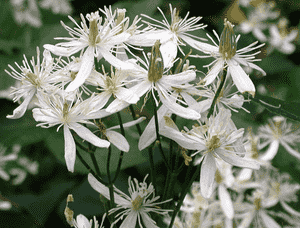
Sweet autumn clematis (Clematis terniflora)
Also known as: Sweet autumn virginsbower, Yam-leaved clematis, Japanese clematis
Sweet Autumn Clematis, a vine in the buttercup family, was initially brought to the United States for ornamental purposes. Over time, it has naturalized and become invasive in certain regions. This plant is notable for its white blooms that appear in the fall.
Attributes of Sweet autumn clematis
Images of Sweet autumn clematis
Quickly Identify Sweet autumn clematis
Scientific Classification of Sweet autumn clematis
Planting and Growing of Sweet autumn clematis
 How to Water Sweet autumn clematis?
 What Are the Sunlight Requirements for Sweet autumn clematis?
 What Is the Ideal Temperature Range for Sweet autumn clematis?
 What Soil is Best for Sweet autumn clematis?
 How to Fertilize Sweet autumn clematis?
 How to Prune Sweet autumn clematis?
 How to Propagate Sweet autumn clematis plant?
 How to Repot Sweet autumn clematis plant?
Toxicity of Sweet autumn clematis
Is Sweet autumn clematis toxic to humans?
The sweet autumn clematis presents a moderate level of toxicity risk to humans. Any interaction with any part of the plant may result in poisoning, as every part contains toxic compounds. Poisoning may occur through skin contact or accidental consumption. The toxic agent implicated is protoanemonin, which can cause significant irritation upon contact. If ingested, sweet autumn clematis can produce a variety of symptoms such as oral discomfort, digestive disturbances, vomiting, and diarrhea. The intensity of symptoms can vary depending on the level of exposure and personal sensitivity. Caution is highly recommended to avoid accidental poisoning from sweet autumn clematis, particularly in regions where this plant is commonly found.
Is Sweet autumn clematis toxic to cat?
Sweet autumn clematis presents a moderate danger to cats, as the entire plant is toxic. Cats may experience poisoning either through skin contact or unintentional ingestion, potentially resulting in signs of physical distress or illness. The toxic compound found in sweet autumn clematis is known as protoanemonin. After exposure or ingestion of sweet autumn clematis, it is crucial for cat owners to swiftly pursue veterinary assistance to alleviate the poisoning effects and safeguard the health of their feline friend.
Is Sweet autumn clematis toxic to dog?
Sweet autumn clematis presents a moderate toxicity threat to dogs. Canines can experience poisoning from this plant via skin contact or unintentional ingestion. The entire plant is toxic, and exposure may result in a variety of symptoms including gastrointestinal distress, excessive salivation, vomiting, diarrhea, and, in some instances, dermatitis from skin exposure. The harmful compound that triggers these reactions is protoanemonin. If you suspect that your dog has encountered or ingested sweet autumn clematis, it is crucial to seek prompt veterinary assistance to secure the best possible outcome for your pet.



