How to Prune Sweet autumn clematis?
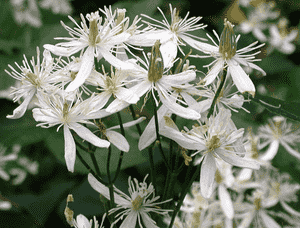
Sweet autumn clematis, a vigorous, late-blooming climbing plant, is recognized for its abundant covering of aromatic, star-shaped white blossoms. Trim sweet autumn clematis in early spring or during winter by reducing the prior year's stalks to a robust cluster of buds, thereby managing its dimensions and averting excessive growth. Precise timing is essential to safeguard the current year's floral display, given that it flowers on fresh development. Consistent trimming fosters a more robust plant with a greater profusion of flowers and aids in sustaining its preferred form and stature.
What Are the Benefits of Pruning Sweet Autumn Clematis?
What Are the Benefits of Pruning Sweet Autumn Clematis?
Trimming sweet autumn clematis promotes flowering, fosters vigorous development, and preserves a desired shape, preventing excessive growth and ensuring the plant's health and visual appeal.
What Is the Best Time for Pruning Sweet Autumn Clematis?
What Is the Best Time for Pruning Sweet Autumn Clematis?
It's best to prune or trim sweet autumn clematis in early spring, right before its new growth cycle begins. This timing ensures that the upcoming season's flowers, which form on new wood, won't be removed. Also, any winter damage can be identified and cut away. Winter pruning is also suitable, especially after the plant enters dormancy, typically late in the season to protect fresh cuts from the cold. During these periods, the plant's sap flow is reduced, minimizing stress and the risk of diseases or pests entering pruning wounds. Both early spring and winter pruning contribute to a healthier growing season and more abundant blooms.
What Tools Do I Need to Prune Sweet Autumn Clematis?
Bypass Pruners
Perfect for making precise cuts on the thinner stems of sweet autumn clematis and for removing spent blooms. Their scissor-like action ensures clean, healthy cuts.
Loppers
Useful for reaching higher branches and cutting through thicker growth that bypass pruners can't handle, thanks to their long handles and increased leverage.
Pruning Saw
Essential for removing any mature, woody stems that have become too thick for loppers, ensuring cuts are made without harming sweet autumn clematis's structure.
Garden Gloves
Offers protection for the gardener's hands from thorns and irritating plant sap during the pruning of sweet autumn clematis.
Step Ladder
Allows safe access to the taller sections of sweet autumn clematis, which can grow quite high and may need pruning from an elevated position to maintain its form and size.
How to Prune Sweet Autumn Clematis
Cleaning Tools
Before pruning sweet autumn clematis, ensure all tools are clean and sharp to prevent disease spread and achieve precise cuts.
Removing Diseased Material
Identify and remove any diseased leaves and branches from sweet autumn clematis by cutting them back to healthy tissue, making angled cuts to prevent water collection.
Pruning Dead Material
Remove dead branches and withered leaves from sweet autumn clematis. Prune just above a healthy set of leaves or a strong bud.
Thinning
Thin out sweet autumn clematis's growth to improve air circulation. Carefully prune some of the older, crowded stems at the base to encourage new growth and reduce disease risk.
Shaping
Shape sweet autumn clematis by pruning spent flowers and any unwanted growth to maintain the plant's desired form and size. Avoid heavy pruning, which can reduce flowering.
Common Pruning Mistakes with Sweet Autumn Clematis
Over Pruning
Removing too much growth at once can shock sweet autumn clematis, potentially leading to poor plant health and sparse flowering. The plant may need a season to recover if pruned too heavily.
Improper Cut Placement
Making cuts too far from a node or bud can result in dead wood and disease. It also may lead to unsightly stubs that donât produce new growth on sweet autumn clematis.
Pruning All Growth
Cutting all of the old growth might remove the wood that will bear the next season's flowers on some varieties of sweet autumn clematis, which can bloom on old wood.
Ignoring Plant Health
Failing to remove dead or diseased stems can lead to a decline in the overall health and aesthetic of sweet autumn clematis, as it may spread to healthy parts of the plant.
Using Dull Tools
Dull pruning shears can damage the stems of sweet autumn clematis, leading to jagged cuts that are more susceptible to disease and pests.
Disregarding Growth Habit
Not considering the growth habit and specific pruning group of sweet autumn clematis can result in pruning at the wrong time, which can impact blooming and vigor.
Common Pruning Tips for Sweet Autumn Clematis
Sharp Tools
Use clean, sharp tools to make clean cuts that heal quickly, reducing the risk of disease and pests affecting sweet autumn clematis.
Selective Pruning
Selective pruning allows sweet autumn clematis to maintain its natural shape and encourages healthy growth. Thin out crowded areas to improve air circulation and light penetration.
Spot Pruning
Regularly prune or deadhead spent flowers and remove any dead or weak stems throughout the growing season to promote new growth and flowering of sweet autumn clematis.
Cut To A Bud
Make pruning cuts just above a strong bud or node to encourage the development of robust new stems on sweet autumn clematis.
Stimulate New Growth
Light pruning can stimulate sweet autumn clematis to produce vigorous new growth, which is particularly important for varieties that flower on the current seasonâs wood.
Balance Between Old And New
Maintain a balance between old and new growth to ensure that sweet autumn clematis produces a bounty of blooms without becoming overgrown.



