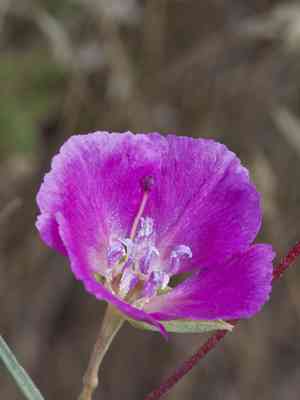
Redspot clarkia (Clarkia speciosa)
Also known as: Red Ribbons, Farewell to Spring
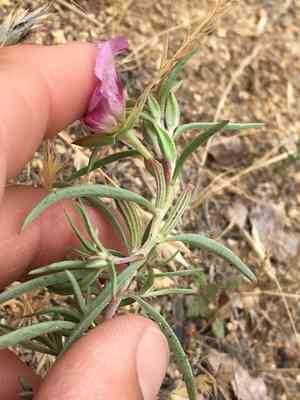
The petals of the redspot clarkia (Clarkia speciosa) usually start with a white center, developing striking red spots or streaks. As they mature, the edges turn bright pink or purple. This plant, native to California, forms mounds roughly 61 cm across, thriving along the Pacific Coast and Sierra Nevada foothills.
In This Article
Attributes of Redspot clarkia
Lifespan
Annual
Plant Height
30-60 cm (12-24 inches)
Spread
15-25 cm (6-10 inches)
Leaf Color
Green
Flower Size
2-5 cm (0.8-2 inches)
Flower Color
Pink, Red, occasionally White or Purple
Images of Redspot clarkia
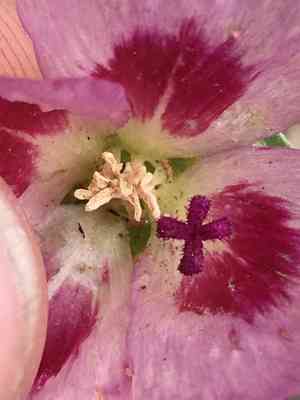
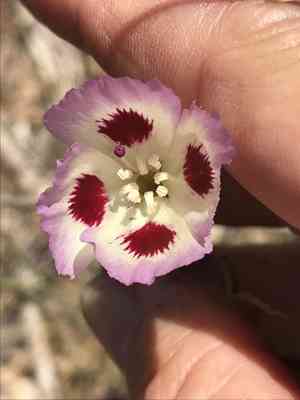
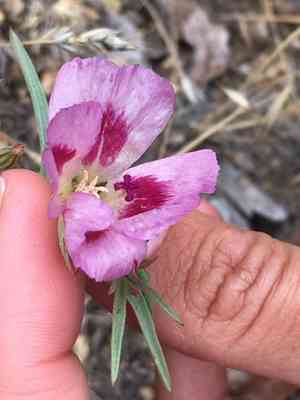
Quickly Identify Redspot clarkia
1
Look for pink to red flowers with four petals that have a distinctive \'Y\' shape. The leaves are lance-shaped and arranged alternately along the stem.
Scientific Classification of Redspot clarkia
Phylum
Vascular plants
Class
Dicotyledons
Order
Myrtales
Family
Evening primrose
Genus
Clarkia
Species
Redspot clarkia
Planting and Growing of Redspot clarkia
Care Difficulty
Easy
Watering Schedule
Every 3 days
Sunlight Requirements
Full sun
Sunshine Duration
4-8 hours
Ideal Temperature
60-75℉
Soil Type
Potting Mix, Peat Mix
Soil pH
6-7.5
Fertilizer Type
Balanced
Pruning Season
Spring, Summer
Pruning Area
Branches, Leaves
Pruning Frequency
2 times a year
Repotting Season
Spring
Pot Type
Ceramic, Plastic
 How to Water Redspot clarkia?
For Clarkia speciosa, the key to optimal watering is to provide just enough moisture to keep the soil lightly moist, but not waterlogged. Approximately 250 milliliters of water per session is ideal, ensuring the water reaches down to about 1 to 2 inches of soil depth. Be sure not to exceed this amount to prevent root rot.
What are the symptoms of an underwatered Redspot clarkia?
›
What should I do if my Redspot clarkia is not getting enough water?
›
What are the symptoms of an overwatered Redspot clarkia?
›
How to save an overwatered Redspot clarkia?
›
 What Are the Sunlight Requirements for Redspot clarkia?
Clarkia speciosa thrives in full sun to partial sun conditions, benefiting significantly from daily exposure to 6-8 hours of light. Ideal lighting improves flowering and maintains plant vigor, preventing leggy growth and enhancing decorative appeal.
How much sun does Clarkia speciosa need?
›
What are the best ways to ensure ideal lighting for Clarkia speciosa?
›
Benefits of Clarkia speciosa receiving ideal light conditions?
›
 What Is the Ideal Temperature Range for Redspot clarkia?
Clarkia speciosa thrives best in a temperature range between 60°F and 75°F. This range is ideal because it mimics the plant's natural environment, allowing for proper growth and development while minimizing stress on the plant.
 What Soil is Best for Redspot clarkia?
Clarkia speciosa thrives exceptionally well in well-drained soils that prevent waterlogging, ensuring its roots have access to the necessary oxygen and avoid root rot. This plant prefers soils with moderate fertility, allowing it to soak in essential nutrients without overwhelming its growth, leading to vibrant and healthy flowering. Clarkia speciosa performs best in slightly acidic to neutral pH levels, which facilitate efficient nutrient absorption and promote robust growth.
 How to Fertilize Redspot clarkia?
Clarkia speciosa, also known as Red Ribbons, doesn't require heavy fertilization. Use a balanced liquid fertilizer diluted to half strength or a slow-release fertilizer with low nitrogen content. Avoid excess nutrient buildup by keeping applications light.
 How to Prune Redspot clarkia?
Start by identifying spent or fading blooms. Use sharp scissors or pruners to snip them just above a fresh leaf pair. This encourages the plant to redirect its energy towards producing more flowers and maintaining healthy foliage. Look for any stems that are growing disproportionately long and trim them. This includes branches that make the plant look unbalanced. Cutting these encourages more compact and attractive growth. Once the main blooming season has ended, cut the stems back by about a third of their length. This cleanup helps the plant conserve energy and prepares it for the next blooming cycle while preventing it from becoming too leggy.
More About Pruning Techniques→
 How to Propagate Redspot clarkia plant?
1
Begin by obtaining fresh seeds of Clarkia speciosa. Store-bought seeds are generally treated, but if you're using seeds from mature plants, ensure they are fully dry. This step helps in determining the viability and ensuring a better germination rate.
2
Fill the seed trays with a quality potting mix, and gently place the Clarkia speciosa seeds on the surface. Cover them lightly with a thin layer of soil or sand. Ensure they are evenly spaced to prevent overcrowding and encourage uniform growth.
3
Carefully water the trays to moisten the soil without disturbing the seeds. Maintain the moisture by using a spray bottle. Keep them in a warm, well-lit area, ideally with indirect sunlight, to facilitate germination, which typically takes 1-2 weeks.
 How to Repot Redspot clarkia plant?
1
Clarkia speciosa should be repotted when you see roots growing out of the drainage holes or when the plant appears to be too big for its pot. Spring and early summer are the best times as the plant is in its growth phase, allowing it to recover quickly from the stress of repotting.
2
Choose a pot that is slightly larger than the current one, with good drainage. This allows enough room for root growth and helps prevent waterlogging, which can lead to root rot. A pot that is 1-2 inches larger in diameter is generally sufficient for Clarkia speciosa.
3
Opt for a well-draining potting mix; a blend of peat, perlite, and sand works well. This mix provides excellent drainage while retaining enough moisture for the plant’s needs, allowing roots to breathe, which is essential for Clarkia speciosa's health.
Learn More About Redspot clarkia Diseases
Anthracnose
Bacterial Leaf Spot
Bacterial Soft Rot
Bacterial Wilt
Black Spot
Chemical Injury
Crown Gall
Cyst Nematode
Damping-off
Downy Mildew
Drought Stress
Fusarium Wilt
Gray Mold
Leaf Spot
Mosaic
Nutrient Deficiency
Nutrient Toxicity
Powdery Mildew
Root Rot
Root-knot Nematode
Rusts
Sooty Mold
Spider Mites
Temperature Stress
Thrips Damage
White Mold



