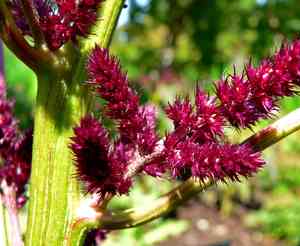
Striped goosefoot (Chenopodium strictum)
Also known as: Late-flowering goosefoot
The striped goosefoot is an annual herb that usually stands between 20 and 99 cm tall, though it can occasionally reach up to 2 meters. Its stem is upright with lower branches spreading out horizontally before rising, while the upper branches grow more vertically.
In This Article
Attributes of Striped goosefoot
Lifespan
Annual
Plant Type
Herb
Plant Height
10 cm to 1.5 m
Spread
0.3 to 0.5 meters
Leaf Color
Green
Flower Size
Small, typically less than 0.5 cm
Flower Color
White Green Purple Brown
Images of Striped goosefoot
Quickly Identify Striped goosefoot
1
Look for its narrow, lance-shaped leaves that are often covered with a powdery coating. The plant also produces clusters of small, greenish flowers.
Scientific Classification of Striped goosefoot
Phylum
Vascular plants
Class
Dicotyledons
Order
Caryophyllales
Family
Amaranth
Genus
Goosefoots
Species
Striped goosefoot
Planting and Growing of Striped goosefoot
Care Difficulty
Easy
Watering Schedule
Every 4 days
Sunlight Requirements
Full sun
Sunshine Duration
4-8 hours
Ideal Temperature
65-75℉
Soil Type
Potting Mix, Peat Mix
Soil pH
6.5-7.5
Fertilizer Type
Balanced
Pruning Season
Spring, Summer
Pruning Area
Branches, Leaves
Pruning Frequency
2 times a year
Repotting Season
Spring
Pot Type
Plastic, Ceramic
 How to Water Striped goosefoot?
When it comes to watering Chenopodium strictum, the key is moderation. Ideally, water the plant until the top 2 inches of soil feel moist but not waterlogged, which usually means about 250ml. This ensures the root zone gets enough moisture without causing rot.
What are the symptoms of an underwatered Striped goosefoot?
›
What should I do if my Striped goosefoot is not getting enough water?
›
What are the symptoms of an overwatered Striped goosefoot?
›
How to save an overwatered Striped goosefoot?
›
 What Are the Sunlight Requirements for Striped goosefoot?
Partial sun provides the best growth conditions, promoting optimal photosynthesis and robust health, allowing Chenopodium strictum to develop vibrant foliage and improved overall vitality.
More About Sunlight Requirements Techniques→
Optimal Sunlight Exposure
›
Preventing Light Deficiency
›
Balancing Sun and Shade
›
 What Is the Ideal Temperature Range for Striped goosefoot?
The ideal temperature range for growing Chenopodium strictum is between 65°F and 75°F. This range supports optimal growth by facilitating proper enzyme activity and physiological processes in the plant. Maintaining this temperature helps in maximizing photosynthesis and growth rate.
 What Soil is Best for Striped goosefoot?
Chenopodium strictum thrives in soils that ensure excellent drainage. Well-drained soil prevents waterlogging, which can lead to root rot, ensuring healthy root systems. This promotes vigorous growth and abundant foliage. This plant appreciates soils that are rich in organic matter. Nutrient-rich soil provides essential minerals and nutrients that support plant development, enhancing both growth and resilience. Chenopodium strictum does best in soils with moderate fertility. Excessive fertilizers can cause nutrient imbalance, while moderate levels support optimal growth without over-stimulation.
 How to Fertilize Striped goosefoot?
When fertilizing Chenopodium strictum, apply a dilute liquid fertilizer solution, ensuring that the solution is not too strong to prevent root damage. Typically, 1/4 strength of a balanced fertilizer is optimal for this plant. This plant benefits from smaller, more frequent doses rather than heavy feeding.
 How to Prune Striped goosefoot?
Begin by sterilizing your pruning shears to prevent the spread of disease. Focus on cutting back any dead or damaged branches first. Then, shape the plant by trimming back overgrown areas to maintain a bushy, healthy structure. Remove any shoots that detract from the plant’s overall appearance. When shaping the Chenopodium strictum, aim to create a natural form that allows light to penetrate the center of the plant. This encourages even growth. Make angled cuts just above a growing node or leaf pair to promote new shoot development in desirable directions.
More About Pruning Techniques→
 How to Propagate Striped goosefoot plant?
1
Collect seeds from mature Chenopodium strictum plants. Clean and dry the seeds thoroughly to prevent mold or rot during storage.
2
Sow seeds evenly in prepared seed trays filled with potting soil. Cover the seeds lightly with a layer of soil, allowing them to access light.
3
Keep the seed trays in a warm and sunny location, maintaining moisture levels by regular watering. Avoid overwatering, as it can lead to fungal growth.
 How to Repot Striped goosefoot plant?
1
Chenopodium strictum needs repotting when roots start to circle the pot or emerge through drainage holes. Another signal is slow growth despite proper care. Typically, repotting should occur in spring or early summer when the plant is in its active growth period. This timing also reduces stress and facilitates a smoother transition.
2
Select a pot that is 1-2 inches larger in diameter than the current one. Ensure it has proper drainage holes to prevent waterlogging, which can lead to root rot. Pots made of breathable materials like clay or terracotta are ideal, as they allow excess moisture to evaporate and help maintain optimal soil moisture levels.
3
Opt for a well-draining potting mix to support Chenopodium strictum's preference for dry or moderately moist conditions. A mix containing perlite or sand helps improve drainage and prevents compacted soil that can suffocate roots. This soil choice promotes healthy growth and reduces the risk of fungal issues.
Toxicity
Ingestion of plant parts
WARNING
The judgment on toxicity and danger is for reference only. We DO NOT GUARANTEE any accuracy of such judgment. Therefore, you SHALL NOT rely on such judgment. It is IMPORTANT TO SEEK PROFESSIONAL ADVICE in advance when necessary.



