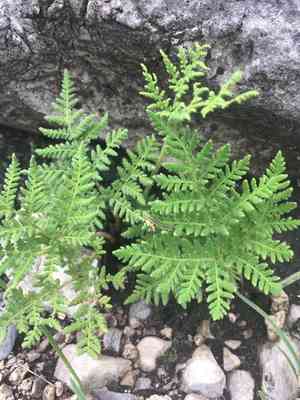
Whitefoot lipfern (Cheilanthes leucopoda)
Also known as: Lip Fern, Silver Cloak Fern
The Whitefoot lipfern is a resilient plant that flourishes in dry, rocky areas such as cliffs, slopes, and canyons. It prefers well-drained soil and often finds refuge in crevices, avoiding direct sunlight. Its fronds have a powdery white underside, which helps conserve moisture, making it well-suited to harsh environments. Despite its delicate look, this fern is a tough survivor in challenging conditions.
In This Article
Attributes of Whitefoot lipfern
Lifespan
Perennial
Plant Type
Fern
Plant Height
Typically 8-12 inches (20-30 cm)
Spread
Approximately 12-18 inches (30-45 cm)
Leaf Color
Silvery-gray
Flower Size
Not applicable
Flower Color
Not applicable
Images of Whitefoot lipfern
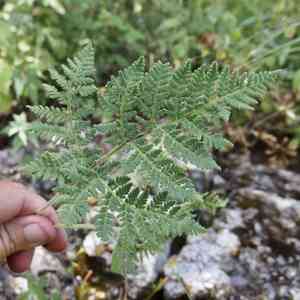
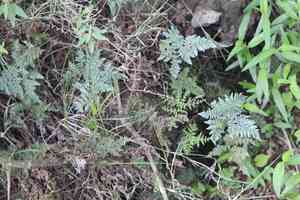
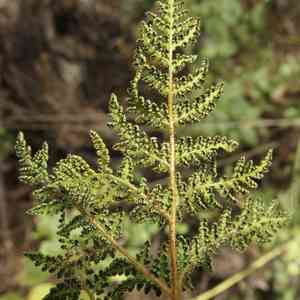
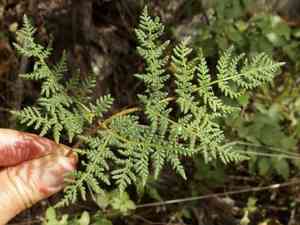
Quickly Identify Whitefoot lipfern
1
This fern can be identified by its silvery-gray fronds that are covered in fine hairs, giving it a distinctive texture. The fronds are divided into narrow, pointed segments.
Scientific Classification of Whitefoot lipfern
Phylum
Vascular plants
Class
Ferns
Order
Polypodiales
Family
Brake
Genus
Lip ferns
Species
Whitefoot lipfern
Planting and Growing of Whitefoot lipfern
Care Difficulty
Moderate
Watering Schedule
Every 2 days
Sunlight Requirements
Partial sun
Sunshine Duration
4-6 hours
Ideal Temperature
60-75℉
Soil Type
Potting Mix, Peat Mix
Soil pH
6.5-7.5
Fertilizer Type
Balanced
Pruning Season
Spring, Summer
Pruning Area
Branches, Leaves
Pruning Frequency
2 times a year
Repotting Season
Spring
Pot Type
Plastic, Ceramic
 How to Water Whitefoot lipfern?
Cheilanthes leucopoda, or the lace fern, requires a moderate watering regimen. When you water, ensure the soil is evenly moist but not soggy, which means you should aim to let the soil absorb moisture without water pooling at the bottom of the pot. This is crucial for maintaining optimal root health and avoiding rot.
What are the symptoms of an underwatered Whitefoot lipfern?
›
What should I do if my Whitefoot lipfern is not getting enough water?
›
What are the symptoms of an overwatered Whitefoot lipfern?
›
How to save an overwatered Whitefoot lipfern?
›
 What Are the Sunlight Requirements for Whitefoot lipfern?
Partial shade allows Cheilanthes leucopoda to thrive by avoiding extreme light, maintaining vigorous growth, vibrant foliage, and resilience against stress.
Best time for sunlight
›
Solution for achieving ideal light
›
Effects of ideal light
›
 What Is the Ideal Temperature Range for Whitefoot lipfern?
The ideal temperature range for Cheilanthes leucopoda is between 60°F and 75°F. This range provides optimal growth conditions by ensuring sufficient warmth without risking excessive heat that could stress the plant. Maintaining these temperatures encourages healthy foliage and promotes growth, making it suitable for environments mimicking mild to warm climates.
 What Soil is Best for Whitefoot lipfern?
Cheilanthes leucopoda thrives in soil that allows excess water to escape easily. This need prevents root rot and keeps the roots aerated, promoting healthy fern growth and resilience. While not highly demanding, this fern benefits from soil with a modest amount of organic matter, which supports its growth and maintains a balanced pH level. A preference for neutral to slightly alkaline pH levels ensures optimal nutrient absorption and enhances the plant’s overall health and vitality.
 How to Fertilize Whitefoot lipfern?
For Cheilanthes leucopoda, administer a balanced liquid fertilizer at a quarter of the recommended strength to avoid nutrient overload. This ensures a gentle yet steady supply of essential nutrients, promoting healthy growth and frond development without the risk of burning the roots.
 How to Prune Whitefoot lipfern?
Begin by ensuring you have clean, sharp pruning shears. This will allow you to make precise cuts and minimize damage to the plant. When your tools are ready, you can move to the next step. Examine the Cheilanthes leucopoda and look for any fronds that appear brown, dry, or damaged. These should be removed first to prevent any potential spread of disease and to promote overall health. When trimming dead or damaged fronds, make cuts close to the base of the plant. This approach ensures that you are removing the entire affected part and helps keep the plant's base tidy and healthy. After removing the dead fronds, assess the plant's overall shape. Trim any excessively long or irregularly growing fronds to maintain a balanced, aesthetically pleasing appearance. Be careful not to over-prune, as it may weaken the plant.
More About Pruning Techniques→
 How to Propagate Whitefoot lipfern plant?
1
Before division, water the plant thoroughly a day in advance to ensure it is hydrated. This makes it easier to remove the plant from the soil and separate the roots without causing stress.
2
Carefully dig around the rhizome clump using a trowel. Gently lift the plant from the soil, then use a sharp knife to divide the rhizome into sections, ensuring each has roots and fronds.
3
Collect spores by placing a paper under the frond. As the spores mature, they will fall from the fronds onto the paper. Sow the spores onto the surface of a sterile medium and mist lightly.
 How to Repot Whitefoot lipfern plant?
1
Repot Cheilanthes leucopoda in spring or autumn. If you notice roots emerging from the drainage holes or the plant looks predominantly root-bound, it's a clear signal for repotting. These times offer ideal conditions since the plant enters active growth, promoting swift recovery.
2
Choose a pot only slightly larger than the current one, with excellent drainage properties. This helps prevent water from stagnating and reduces the risk of root rot, crucial for a fern that prefers drier conditions.
3
Use a well-draining potting mix, ideally one that mimics the plant's natural rocky habitat. Such soil contains a blend of organic materials and grit, ensuring good drainage and preventing root rot, while also being rich enough to feed the fern.



