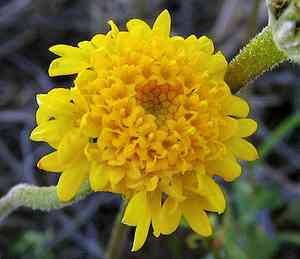
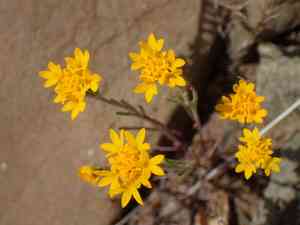
Yellow pincushion (Chaenactis glabriuscula)
Also known as: Sand buttons, Orcutt's pincushion
Chaenactis glabriuscula is an annual herb that typically features one or more upright stems, which can grow up to approximately 50 centimeters in height. The stems are often hairy and may have a cobweb-like appearance due to fibers. The plant's inflorescence consists of one or multiple flower heads, each supported by a long, erect peduncle.
In This Article
Attributes of Yellow pincushion
Lifespan
Annual
Plant Type
Herb
Plant Height
10 cm to 36 cm
Spread
Typically does not have a defined crown due to its herbaceous nature.
Leaf Color
Green
Flower Size
1-3 centimeters
Flower Color
White to pink
Images of Yellow pincushion
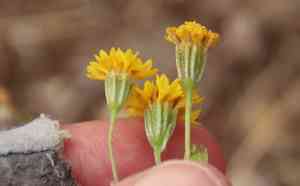
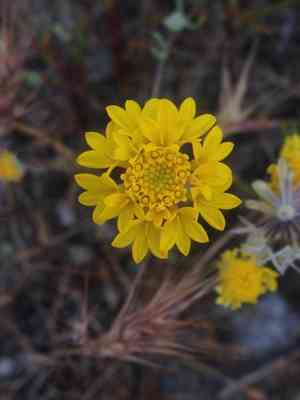
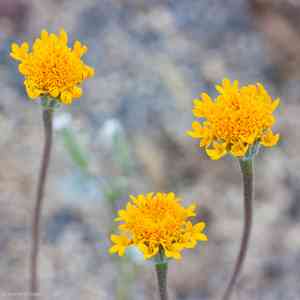
Quickly Identify Yellow pincushion
1
Chaenactis glabriuscula can be identified by its smooth stems with glandular hairs, deeply lobed leaves, and small, white to pink flower heads that resemble pincushions.
Scientific Classification of Yellow pincushion
Phylum
Vascular plants
Class
Dicotyledons
Order
Asterales
Family
Daisy
Genus
Pincushions
Species
Yellow pincushion
Planting and Growing of Yellow pincushion
Care Difficulty
Easy
Watering Schedule
Every 3 days
Sunlight Requirements
Full sun
Sunshine Duration
4-8 hours
Ideal Temperature
60-75℉
Soil Type
Potting Mix, Peat Mix
Soil pH
6.5-7.5
Fertilizer Type
Balanced
Pruning Season
Spring, Summer
Pruning Area
Branches, Leaves
Pruning Frequency
2 times a year
Repotting Season
Spring
Pot Type
Plastic, Ceramic
 How to Water Yellow pincushion?
Chaenactis glabriuscula thrives with moderate watering. Apply around 200 milliliters per session to ensure the soil remains slightly moist without becoming waterlogged. Water until the soil is damp but not soggy, ensuring excess water drains away to prevent root rot.
What are the symptoms of an underwatered Yellow pincushion?
›
What should I do if my Yellow pincushion is not getting enough water?
›
What are the symptoms of an overwatered Yellow pincushion?
›
How to save an overwatered Yellow pincushion?
›
 What Are the Sunlight Requirements for Yellow pincushion?
Chaenactis glabriuscula thrives in full sun exposure. Ideal light conditions promote vibrant growth, optimal flowering, and healthy foliage. This helps the plant maintain its natural resilience and aesthetic appeal.
Optimal Sunlight Exposure
›
Best Solution for Ideal Lighting
›
Benefits of Optimal Sunlight
›
 What Is the Ideal Temperature Range for Yellow pincushion?
Chaenactis glabriuscula thrives best in a temperature range from 60°F to 75°F. This range provides optimal conditions for photosynthesis and growth, ensuring the plant develops healthily and robustly. Keeping the plant within this range can help it achieve its full potential in terms of flowering and foliage development.
 What Soil is Best for Yellow pincushion?
Chaenactis glabriuscula thrives in well-draining soil to prevent root rot and other moisture-related issues. This ensures robust root development, contributing to the plant's overall health and blooming potential. Loose, sandy soils low in nutrients suit this plant as they mimic its native coastal habitats. It requires minimal fertilization, which supports sustainable gardening practices and emphasizes indigenous flora adaptability. Adequate soil aeration is essential for this plant's growth, allowing roots to access oxygen efficiently. This condition prevents potential fungal infections and supports vigorous plant structure.
 How to Fertilize Yellow pincushion?
For Chaenactis glabriuscula, modest fertilization is key. Use a balanced liquid fertilizer at half the recommended strength. Approximately 1 tablespoon per gallon of water should suffice, applied during active growing periods for enhanced flowering and growth.
 How to Prune Yellow pincushion?
Begin pruning Chaenactis glabriuscula by sterilizing your shears with rubbing alcohol to prevent disease transmission. Identify dead, damaged, or crossing branches and remove them at the base using sharp, clean cuts. Aim to open up the center of the plant to improve air circulation and light penetration. Trim back long, leggy stems to encourage bushier growth, but avoid cutting too deeply into mature wood as recovery might be slow. Finish by cleaning up any debris to leave the plant tidy and ready for growth.
More About Pruning Techniques→
 How to Propagate Yellow pincushion plant?
1
Fill seed trays with a well-draining potting mix to ensure the seeds have the right environment for early development.
2
Evenly distribute the Chaenactis glabriuscula seeds over the potting mix, ensuring they are not too deeply buried to allow proper germination.
3
Gently water the seeds after planting and maintain consistent moisture levels without waterlogging to promote healthy growth.
 How to Repot Yellow pincushion plant?
1
Chaenactis glabriuscula shows signs of needing repotting when its roots begin to outgrow the current pot or when its growth noticeably slows despite optimal conditions. Repotting during spring ensures it can recover quickly with the advent of new growth.
2
Select a pot that is one size larger than the current one and has good drainage holes. Good drainage prevents root rot and ensures that Chaenactis glabriuscula remains healthy by allowing excess water to escape.
3
Opt for a well-drained sandy mix which mimics its natural environment. This type of soil helps prevent waterlogging, providing a conducive environment for healthy root development and plant growth.



