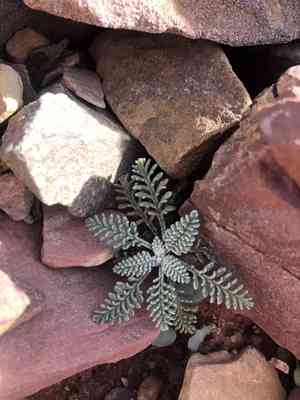
Douglas' dustymaiden (Chaenactis douglasii)
Also known as: Alpine dusty-maidens
Native to western North America, the California poppy (Eschscholzia californica) is a vibrant flowering plant in the poppy family. This resilient species flourishes in disturbed habitats like roadsides and construction sites. It significantly supports pollinators, including bees and butterflies, and its robust growth helps suppress more aggressive, invasive plant species.
In This Article
Attributes of Douglas' dustymaiden
Lifespan
Biennial, Perennial
Plant Type
Herb
Plant Height
15 cm to 64 cm
Spread
20 cm to 30 cm
Leaf Color
Green Blue
Flower Size
2 cm
Flower Color
White Pink Yellow Cream Purple
Images of Douglas' dustymaiden
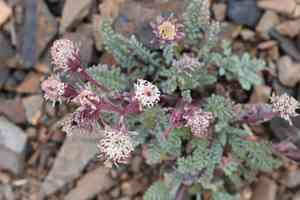
Quickly Identify Douglas' dustymaiden
1
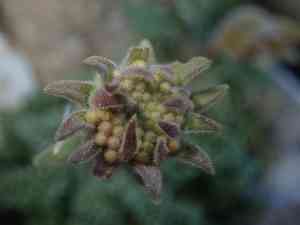
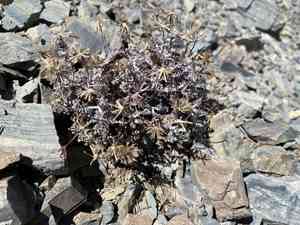
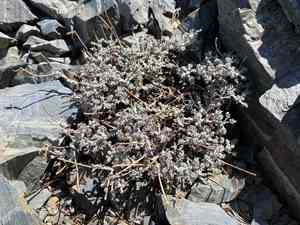
This plant can be identified by its white to pale yellow, composite flowers that are densely clustered in umbels. Its leaves are slender, gray-green, and covered with fine hairs, giving them a dusty appearance.
Scientific Classification of Douglas' dustymaiden
Phylum
Vascular plants
Class
Dicotyledons
Order
Asterales
Family
Daisy
Genus
Pincushions
Species
Douglas' dustymaiden
Planting and Growing of Douglas' dustymaiden
Care Difficulty
Easy
Watering Schedule
Every 2 days
Sunlight Requirements
Full sun
Sunshine Duration
6-10 hours
Ideal Temperature
60-75℉
Soil Type
Potting Mix, Peat Mix
Soil pH
6.5-7.5
Fertilizer Type
Balanced
Pruning Season
Spring, Summer
Pruning Area
Branches, Leaves
Pruning Frequency
2 times a year
Repotting Season
Spring
Pot Type
Plastic, Ceramic
 How to Water Douglas' dustymaiden?
Chaenactis douglasii, commonly known as dustymaiden, loves its soil dry, being a native plant of arid regions. When it comes to watering, this desert dweller requires moderation. Aim to water about 500 ml once the top 2-3 inches of soil become dry. This ensures you moisten the soil adequately without making it overly soggy, maintaining an environment where the roots can breathe while still accessing necessary moisture.
What are the symptoms of an underwatered Douglas' dustymaiden?
›
What should I do if my Douglas' dustymaiden is not getting enough water?
›
What are the symptoms of an overwatered Douglas' dustymaiden?
›
How to save an overwatered Douglas' dustymaiden?
›
 What Are the Sunlight Requirements for Douglas' dustymaiden?
Chaenactis douglasii thrives in full sun conditions, benefiting from such exposure by developing stronger, healthier foliage and producing an abundance of flowers.
More About Sunlight Requirements Techniques→
What is the ideal lighting condition?
›
How to achieve ideal lighting for this plant?
›
What benefits does ideal lighting provide to this plant?
›
 What Is the Ideal Temperature Range for Douglas' dustymaiden?
The ideal temperature range for Chaenactis douglasii is between 60°F and 75°F. In this range, the plant can efficiently photosynthesize and maintain optimal metabolic processes, leading to healthy growth and development.
 What Soil is Best for Douglas' dustymaiden?
Chaenactis douglasii thrives in well-drained soil that prevents waterlogging, which can lead to root rot. This type of soil ensures that the plant's roots have access to oxygen, vital for healthy growth. This plant prefers nutrient-poor conditions and doesn't require frequent fertilization. This tolerance to low-nutrient environments makes it ideal for regions with less fertile soil, offering a low-maintenance gardening option. While the plant can tolerate drought, moderate moisture levels help maintain its foliage and promote vibrant flowering. Regular but not excessive watering ensures the plant remains healthy and reduces stress.
 How to Fertilize Douglas' dustymaiden?
For Chaenactis douglasii, it's crucial to maintain a balanced approach in fertilization. Use a diluted liquid fertilizer at half the recommended strength per the package instructions. Ensure that the amount used doesn't exceed a cup per application to prevent burning the roots.
 How to Prune Douglas' dustymaiden?
Use clean and sharp pruning shears to trim the plant. Begin by removing any dead or damaged stems and leaves. This helps in preventing disease and encourages healthier growth. Always cut at a 45-degree angle above a bud to promote bushy growth. After clearing dead material, focus on maintaining the shape of Chaenactis douglasii by selectively trimming overgrown areas. Aim to create a balanced appearance while avoiding excessive cutting that may stress the plant. To boost flowering, trim back the spent flower heads. Cut back to where the next flower or bud appears, which prolongs blooming and keeps the plant looking lush through the season.
More About Pruning Techniques→
 How to Propagate Douglas' dustymaiden plant?
1
Start by filling seed trays with a suitable potting mix. Ensure the mix is evenly distributed and leveled so that water can soak in uniformly. Lightly mist the surface with water to settle the medium before sowing the seeds.
2
Scatter the seeds across the prepared surface, ensuring they are spaced adequately to prevent overcrowding. Lightly cover the seeds with a thin layer of soil or vermiculite to protect them and to improve moisture retention.
3
Place the trays in a location with bright, indirect sunlight and maintain temperatures between 65-75°F (18-24°C). Use a gentle spray or mist to keep the surface moist, avoiding waterlogging the substrate.
 How to Repot Douglas' dustymaiden plant?
1
Chaenactis douglasii gives clear signs when it requires repotting. One notable indicator is when the roots become visible through the drainage holes. Also, if the plant seems to be growing slower, it may be root-bound, and repotting becomes necessary. The best time to repot is either in the early spring when the plant is yet to begin active growing, or in autumn after the blooming phase.
2
Select a pot that is about 2-3 inches larger in diameter than the current one. Ensure the pot has adequate drainage holes to prevent waterlogging. A slightly larger pot allows the roots to grow effectively without overwhelming them with too much soil, which can lead to retention of excess moisture that may cause root rot.
3
Chaenactis douglasii thrives in well-draining sandy soil that mimics its native arid environments. This type of soil ensures that water doesn't accumulate around the roots, which could lead to rot or fungal diseases. Adding some perlite or coarse sand to a regular potting mix generally suffices to achieve the right texture and drainage.
Toxicity
Ingestion
WARNING
The judgment on toxicity and danger is for reference only. We DO NOT GUARANTEE any accuracy of such judgment. Therefore, you SHALL NOT rely on such judgment. It is IMPORTANT TO SEEK PROFESSIONAL ADVICE in advance when necessary.
Learn More About Douglas' dustymaiden Diseases
Anthracnose
Bacterial Leaf Spot
Bacterial Wilt
Crown Gall
Cyst Nematode
Damping-off
Downy Mildew
Drought Stress
Fusarium Wilt
Gray Mold
Leaf Curl
Leaf Spot
Mosaic
Nutrient Deficiency
Nutrient Toxicity
Powdery Mildew
Root Rot
Root-knot Nematode
Rusts
Sooty Mold
Spider Mites
Temperature Stress
Thrips Damage
White Mold



