
Jersey knapweed (Centaurea paniculata)
Also known as: Paniculate knapweed
A perennial herbaceous plant features highly branched stems that can grow up to 70 cm tall. These stems are generally erect or ascending and lack wings. They are densely covered with rigid, spread-out hairs and some parts may have a rough texture. The leaves can reach up to 17 cm in length and 4 cm in width. Basal leaves are petiolate and form a rosette, while the stem leaves are sessile, not extending along the stem, and become progressively smaller towards the top.
In This Article
Attributes of Jersey knapweed
Lifespan
Biennial
Plant Type
Herb
Plant Height
48 cm
Spread
0.3 to 0.5 meter
Leaf Color
Green to gray-green
Flower Size
3 to 5 cm
Flower Color
White Purple
Images of Jersey knapweed
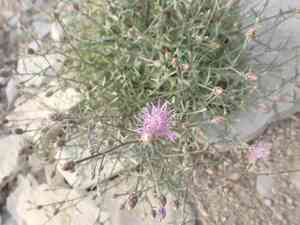
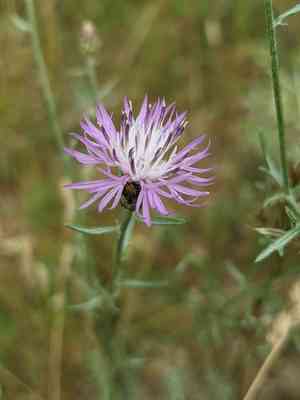
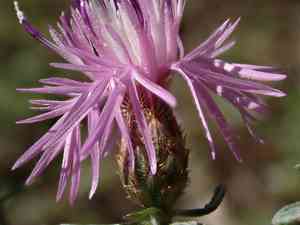
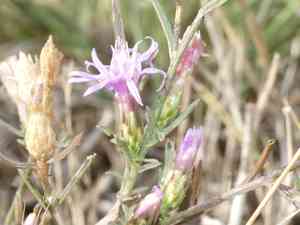
Quickly Identify Jersey knapweed
1
Centaurea paniculata can be identified by its tall, slender stems which can reach up to 1 meter in height, and its unique, feathery lavender to pink flowers that bloom in large, branched clusters. The leaves are lance-shaped and can be either entire or slightly serrated.
Scientific Classification of Jersey knapweed
Phylum
Vascular plants
Class
Dicotyledons
Order
Asterales
Family
Daisy
Genus
Centaury
Species
Jersey knapweed
Planting and Growing of Jersey knapweed
Care Difficulty
Easy
Watering Schedule
Every 2 days
Sunlight Requirements
Full sun
Sunshine Duration
4-8 hours
Ideal Temperature
65-75℉
Soil Type
Potting Mix, Peat Mix
Soil pH
6.5-7.5
Fertilizer Type
Balanced
Pruning Season
Spring, Summer
Pruning Area
Branches, Leaves
Pruning Frequency
2 times a year
Repotting Season
Spring
Pot Type
Plastic, Ceramic
 How to Water Jersey knapweed?
Centaurea paniculata prefers well-drained soil and moderate watering. Aim to provide around 500 milliliters per watering session, ensuring that the soil is soaked but not waterlogged. It's important to let the top inch of soil dry out between waterings to mimic its natural conditions and prevent root rot.
What are the symptoms of an underwatered Jersey knapweed?
›
What should I do if my Jersey knapweed is not getting enough water?
›
What are the symptoms of an overwatered Jersey knapweed?
›
How to save an overwatered Jersey knapweed?
›
 What Are the Sunlight Requirements for Jersey knapweed?
Centaurea paniculata flourishes best with full to partial sun exposure, ideally in the 6-8 hours range. Sufficient sunlight promotes optimal photosynthesis, ensuring lush foliage and abundant blooms.
More About Sunlight Requirements Techniques→
How much light does Centaurea paniculata ideally need?
›
Why is sunlight important for Centaurea paniculata?
›
What solutions can ensure Centaurea paniculata receives ideal light?
›
 What Is the Ideal Temperature Range for Jersey knapweed?
The ideal temperature range for Centaurea paniculata is between 65°F and 75°F. This range allows for optimal growth and flowering, as the plant thrives in moderate climates. Maintaining temperatures within this range ensures that the plant can carry out photosynthesis efficiently and sustain healthy metabolic processes, ultimately resulting in robust flowering.
 What Soil is Best for Jersey knapweed?
Centaurea paniculata thrives in well-drained soil conditions, ensuring that the roots do not sit in waterlogged environments. This helps prevent root rot and promotes healthy plant growth. The plant benefits from soil enriched with organic matter, which provides essential nutrients for robust flowering. Adding compost or well-rotted manure can enhance soil fertility and plant vigor. While the plant prefers well-drained soil, it also requires moderate moisture levels. Maintaining consistent watering without over-saturating the soil is key to healthy plant maintenance.
 How to Fertilize Jersey knapweed?
Centaurea paniculata thrives on moderate amounts of nutrients. When applying liquid fertilizer, dilute it to half-strength to avoid overwhelming the roots. Use approximately 100-150 ml per plant, ensuring even distribution around the base.
 How to Prune Jersey knapweed?
Begin by sterilizing your pruning tools to prevent the spread of disease. Identify dead, damaged, or crossing stems, and remove them at the base. To maintain a tidy appearance, trim back any wayward or overly long stems. For best results, try to cut just above a node to encourage new growth. If you wish to promote bushier growth, pinch back the tips of the plant after the first bloom. This will encourage the plant to focus its energy on lateral growth and subsequent flowering.
More About Pruning Techniques→
 How to Propagate Jersey knapweed plant?
1
Start by preparing a well-draining soil mix for the seeds. Use a mix of potting soil, sand, and perlite to ensure good drainage and aeration. Fill the seed trays with this mix.
2
Sow the seeds thinly over the prepared soil in the trays. Lightly cover them with a thin layer of soil. Water gently without washing away the seeds, maintaining consistent moisture for germination.
3
Choose healthy, non-flowering stems from the parent plant. Cut a 10 cm section just below a node using a sharp knife. Remove lower leaves, leaving only the top pair, and dip in rooting hormone before planting.
 How to Repot Jersey knapweed plant?
1
Look for signs such as roots growing out of drainage holes or the soil drying out quickly after watering. These indicate that it's time to repot your Centaurea paniculata. Choosing the right timing, ideally in the cooler months of spring or autumn, helps minimize transplant shock.
2
Select a pot that is one size larger than the current one. Ensure it has adequate drainage holes to prevent waterlogging. A pot that is too large might hold too much moisture, while a smaller one may restrict root growth, so finding the right balance is crucial.
3
Choose a well-draining sandy loam that retains some moisture but doesn't stay soggy. This soil type provides the ideal balance of aeration and moisture retention, preventing root rot while allowing the plant to access the nutrients it needs.



