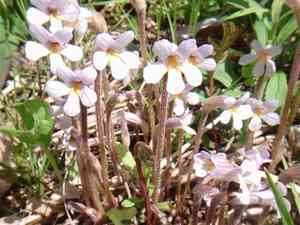
Cobwebby indian paintbrush (Castilleja arachnoidea)
Also known as: Cobbwebby Paintbrush
The cobwebby Indian paintbrush (Castilleja arachnoidea) is a unique wildflower known for its vibrant, bristle-like flowers. It is well-adapted to arid environments, thriving in well-drained soils. Its deep root system helps it access water from deeper soil layers, allowing it to withstand harsh, dry climates. The plant's hairy leaves and stems reduce water loss by trapping moisture and reflecting sunlight, making it a resilient species in its ecosystem. Additionally, its hemi-parasitic nature allows it to draw extra nutrients and water from neighboring plants.
In This Article
Attributes of Cobwebby indian paintbrush
Lifespan
Perennial
Plant Type
Herb
Plant Height
8 cm to 30 cm
Spread
20-40 cm
Leaf Color
Green
Flower Size
2-4 cm
Flower Color
Red, Orange
Images of Cobwebby indian paintbrush
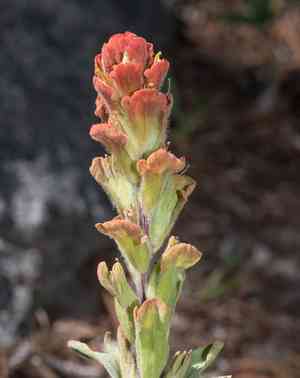
Quickly Identify Cobwebby indian paintbrush
1
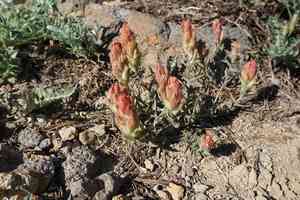
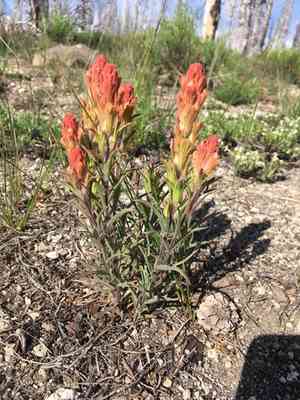
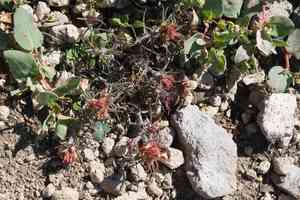
Identification of Castilleja arachnoidea can be done through its distinctive cobwebby hairs on the stems and leaves. The plant has lance-shaped leaves and brightly colored bracts that are often red or orange.
Scientific Classification of Cobwebby indian paintbrush
Phylum
Vascular plants
Class
Dicotyledons
Order
Lamiales
Family
Broomrape
Genus
Indian paintbrush
Species
Cobwebby indian paintbrush
Planting and Growing of Cobwebby indian paintbrush
Care Difficulty
Hard
Watering Schedule
Every 2 days
Sunlight Requirements
Full sun
Sunshine Duration
4-8 hours
Ideal Temperature
60-75℉
Soil Type
Potting Mix, Peat Mix
Soil pH
6.5-7.5
Fertilizer Type
Balanced
Pruning Season
Spring, Summer
Pruning Area
Branches, Leaves
Pruning Frequency
2 times a year
Repotting Season
Spring
Pot Type
Plastic, Ceramic
 How to Water Cobwebby indian paintbrush?
Castilleja arachnoidea, known for its resilience, requires about 500ml of water per session. This amount should ideally moisten the soil moderately without causing waterlogging. The goal is to ensure the water reaches the roots, promoting healthy growth while preventing root rot.
What are the symptoms of an underwatered Cobwebby indian paintbrush?
›
What should I do if my Cobwebby indian paintbrush is not getting enough water?
›
What are the symptoms of an overwatered Cobwebby indian paintbrush?
›
How to save an overwatered Cobwebby indian paintbrush?
›
 What Are the Sunlight Requirements for Cobwebby indian paintbrush?
Castilleja arachnoidea prefers partial to full sun. Ideal light promotes vigorous growth and supports its unique flowering process, resulting in a healthy plant with appealing blooms.
What is the ideal amount of sunlight for Castilleja arachnoidea?
›
How can you ensure that Castilleja arachnoidea receives the ideal lighting?
›
What are the benefits of Castilleja arachnoidea receiving ideal light conditions?
›
 What Is the Ideal Temperature Range for Cobwebby indian paintbrush?
Castilleja arachnoidea thrives best in temperatures ranging from 60 to 75°F. These conditions provide a favorable environment for photosynthesis and growth. Consistent monitoring to maintain this temperature range can significantly enhance plant health and vigor.
 What Soil is Best for Cobwebby indian paintbrush?
Castilleja arachnoidea thrives best in well-draining soil. This soil requirement prevents the roots from sitting in water, which can lead to root rot. Providing ample drainage allows the roots to remain oxygenated and promotes healthy growth. To support the vivid display of this plant’s flowers, a nutrient-rich substrate is vital. The availability of essential nutrients such as phosphorus and nitrogen helps in the flower's vibrant coloration and robust growth. Incorporating moderate organic matter in the soil enhances its structure and fertility. This benefits Castilleja arachnoidea by improving moisture retention while providing a steady supply of nutrients as the organic matter breaks down.
 How to Fertilize Cobwebby indian paintbrush?
The amount of fertilizer for Castilleja arachnoidea should be modest, as this plant is accustomed to nutrient-poor environments. An excessive amount can lead to adverse effects like root burn. A liquid fertilizer concentration of half the recommended strength should suffice, delivered at 20-30 ml per application for a medium-sized plant.
 How to Prune Cobwebby indian paintbrush?
Begin by deadheading, which involves removing spent flowers. This will not only keep your Castilleja arachnoidea looking tidy but also redirects energy towards new blooms, ensuring prolonged flowering throughout the season. Trim back any overgrown stems to maintain the desired shape of your plant. Use clean, sharp shears to make clean cuts at a 45-degree angle just above a leaf node, which encourages branching and fuller growth. Thin out excess foliage to increase airflow and light penetration within the plant. This is essential as it reduces the risk of fungal diseases and allows for enhanced photosynthesis, supporting a healthier plant.
More About Pruning Techniques→
 How to Propagate Cobwebby indian paintbrush plant?
1
Before planting, it's important to scarify or soak the seeds of Castilleja arachnoidea to break down any hard seed coat, enhancing water absorption and improving germination rates.
2
Lightly cover the seeds with a fine layer of potting mix, ensuring they are not buried too deep. Maintain consistent moisture by misting the surface regularly until germination occurs.
3
After sowing, place the seed tray in a location with bright, indirect light or under grow lights. Adequate light is necessary to ensure the seedlings grow strong and healthy.
 How to Repot Cobwebby indian paintbrush plant?
1
Repot Castilleja arachnoidea when the roots start coming out of the drainage holes or the plant appears to be stunted. It’s best to do this in the spring when the plant is putting out new growth. This allows the plant to recover more quickly from the stress of repotting.
2
Select a pot that's slightly larger than the current one with good drainage holes. The pot should allow for root expansion without overwhelming the plant. A pot that's too big may retain too much moisture, which can lead to root rot.
3
Opt for well-draining sandy soil reminiscent of its natural habitat. This type of soil prevents waterlogging and promotes healthier root growth, ensuring the plant receives adequate air circulation around its roots.
Learn More About Cobwebby indian paintbrush Diseases
Anthracnose
Bacterial Leaf Spot
Bacterial Wilt
Crown Gall
Cyst Nematode
Damping-off
Downy Mildew
Drought Stress
Fusarium Wilt
Gray Mold
Leaf Curl
Leaf Spot
Mosaic
Nutrient Deficiency
Nutrient Toxicity
Powdery Mildew
Root Rot
Root-knot Nematode
Rusts
Sooty Mold
Spider Mites
Temperature Stress
Thrips Damage
White Mold



