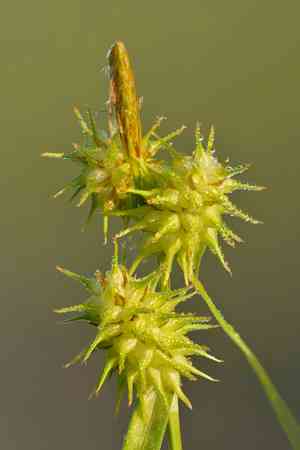
Common sedge (Carex nigra)
Also known as: Common black sedge
Carex nigra, also known as black sedge, is an evergreen perennial commonly utilized in water gardens, ponds, and as ground cover. The name derives from Latin, with "carex" referring to its sharp foliage and "nigra" indicating its dark, black-tinted scales. It thrives in shaded areas and prefers moist soil conditions.
In This Article
Attributes of Common sedge
Lifespan
Perennial
Plant Type
Grass
Plant Height
15 cm to 23 cm
Spread
30 cm to 90 cm
Leaf Color
Green
Flower Size
1 cm to 2 cm
Flower Color
White Yellow Purple Green Brown
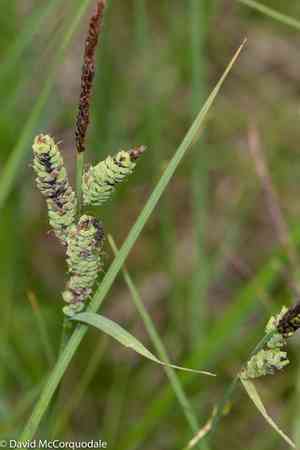
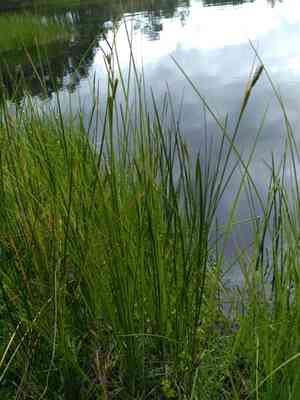
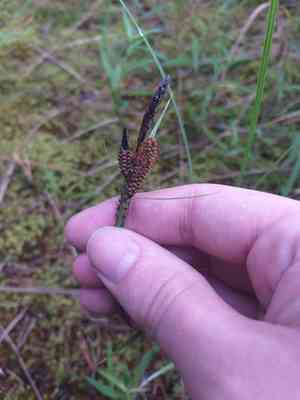
Images of Common sedge
Quickly Identify Common sedge
1
Carex nigra can be identified by its grass-like appearance with slender, triangular stems and narrow leaves. The plant has dark purplish-brown inflorescences and can grow up to 60 cm in height.
Scientific Classification of Common sedge
Phylum
Vascular plants
Class
Monocotyledons
Order
Poales
Family
Sedge
Genus
True sedges
Species
Common sedge
Planting and Growing of Common sedge
Care Difficulty
Easy
Watering Schedule
Every 8 days
Sunlight Requirements
Partial sun
Sunshine Duration
6-10 hours
Ideal Temperature
50-68℉
Soil Type
Potting Mix, Peat Mix
Soil pH
4.5-7
Fertilizer Type
Balanced
Pruning Season
Spring, Summer
Pruning Area
Branches, Leaves
Pruning Frequency
2 times a year
Repotting Season
Spring
Pot Type
Plastic, Ceramic
 How to Water Common sedge?
The plant Carex nigra requires moderate watering. Always ensure the soil remains slightly moist at all times without being soggy. Aim for about 250 milliliters of water per session, allowing the soil to absorb thoroughly.
What are the symptoms of an underwatered Common sedge?
›
What should I do if my Common sedge is not getting enough water?
›
What are the symptoms of an overwatered Common sedge?
›
How to save an overwatered Common sedge?
›
 What Are the Sunlight Requirements for Common sedge?
Partial to full sun exposure is ideal, promoting healthy photosynthesis and vigorous growth. Such conditions ensure the plant develops robust foliage and a resilient root system.
What are the best light conditions?
›
What solutions can ensure ideal lighting?
›
What benefits does ideal lighting provide?
›
 What Is the Ideal Temperature Range for Common sedge?
The ideal temperature range for Carex nigra to thrive is between 50°F and 68°F. This range aligns well with the moderate climates where the plant is typically found. Maintaining these conditions ensures optimal growth by allowing the plant's physiological processes, such as photosynthesis and nutrient absorption, to occur efficiently.
 What Soil is Best for Common sedge?
Carex nigra thrives in soils that retain moisture without becoming waterlogged. This ensures the plant remains hydrated, promoting healthy growth and lush foliage. Rich organic content in the soil provides essential nutrients. This assists in robust growth and enhances the plant's resilience against pests and diseases. Good soil aeration prevents root rot and ensures roots have access to sufficient oxygen. This environment fosters healthier root systems and enhances overall plant vitality.
 How to Fertilize Common sedge?
For Carex nigra, a moderate amount of balanced fertilizer (10-10-10 NPK) is ideal. Liquid fertilizers should be diluted to half strength before application to prevent any damage to the roots. Over-fertilization can cause more harm than good, so it's crucial to adhere to recommended amounts.
 How to Prune Common sedge?
Begin by inspecting the Carex nigra for any dead or discolored leaves and stems. Remove these first to enhance airflow and reduce the risk of disease spread. Focus on pruning stems that are crossing or rubbing against each other. This approach prevents wounds and possible disease entry points, ensuring the plant's integrity and health. To maintain an attractive shape, cut back the outer edges of the plant, ensuring it's symmetrical and appealing. This also allows the central parts of the plant to access sunlight and develop robustly.
 How to Propagate Common sedge plant?
1
Select a moist and well-draining soil mix for propagating Carex nigra. Ensure the soil is enriched with organic matter to provide nutrients for the growing plants.
2
Scatter the seeds evenly on the soil surface of a prepared seedling tray. Cover lightly with a thin layer of soil to facilitate seed germination and place the tray in a bright location.
3
Dig around the base of the Carex nigra clump using a garden spade. Carefully lift the plant and separate the roots into smaller sections, ensuring each division has healthy roots and shoots.
 How to Repot Common sedge plant?
1
Carex nigra shows signs for repotting when its roots begin to circle the pot, or if drainage becomes poor, resulting in waterlogged soil. This usually happens every two to three years. The best time to act is during spring or summer, as the plant is actively growing and can recover more quickly from the stress of repotting.
2
When selecting a pot, aim for one that is just slightly larger than the current one. This helps avoid excessive soil, which retains too much moisture and can lead to root rot. Ensure the pot has drainage holes to facilitate proper water flow. Opt for materials like clay or ceramic that moderate soil temperatures and promote root breathing.
3
Choose a soil that retains moisture but also drains well to prevent water stagnation. A mix containing loam, sand, and peat is ideal to provide essential nutrients and maintain the necessary airy structure. This balance ensures healthy root development and prevents issues like root rot in Carex nigra.



