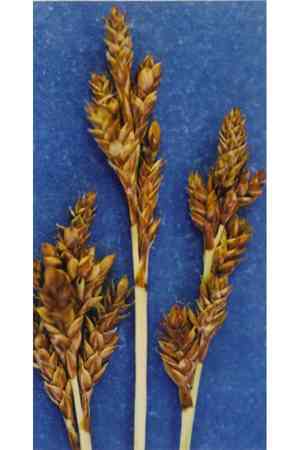
Brownish sedge (Carex brunnescens)
Also known as: Brownish Sedge, Brownish Carex
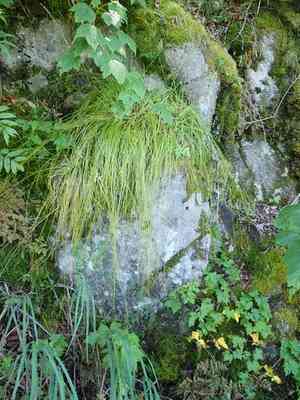
Carex brunnescens shows significant morphological variation based on its growing conditions. In shaded environments, the plant typically exhibits a slender form with weaker stems and green scales. In contrast, when growing in sunlight, it tends to have a more rigid, erect structure with brown scales. This variation highlights the need for further taxonomic research to fully understand the species' adaptability and classification.
In This Article
Attributes of Brownish sedge
Lifespan
Perennial
Plant Type
Grass
Plant Height
15 cm to 76 cm
Spread
Not applicable
Leaf Color
Green
Flower Size
Not applicable
Flower Color
Yellow Brown
Images of Brownish sedge
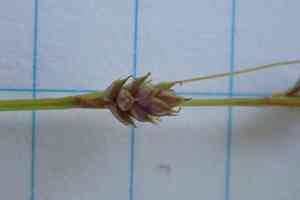
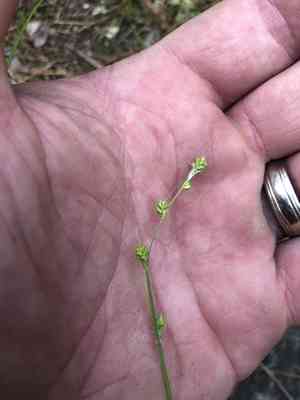
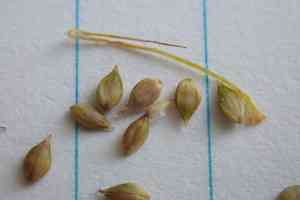
Quickly Identify Brownish sedge
1
This species can be identified by its brownish inflorescence, narrow leaves, and triangular stems. It often grows in dense tufts.
Scientific Classification of Brownish sedge
Phylum
Vascular plants
Class
Monocotyledons
Order
Poales
Family
Sedge
Genus
True sedges
Species
Brownish sedge
Planting and Growing of Brownish sedge
Care Difficulty
Easy
Watering Schedule
Every 3 days
Sunlight Requirements
Partial sun
Sunshine Duration
4-8 hours
Ideal Temperature
60-75℉
Soil Type
Potting Mix, Peat Mix
Soil pH
4.5-7
Fertilizer Type
Balanced
Pruning Season
Spring, Summer
Pruning Area
Branches, Leaves
Pruning Frequency
2 times a year
Repotting Season
Spring
Pot Type
Plastic, Ceramic
 How to Water Brownish sedge?
When watering Carex brunnescens, ensure the soil is evenly moist but not waterlogged. It's crucial to provide about 200 milliliters per watering session, which allows the moisture to penetrate to root level without causing puddling.
What are the symptoms of an underwatered Brownish sedge?
›
What should I do if my Brownish sedge is not getting enough water?
›
What are the symptoms of an overwatered Brownish sedge?
›
How to save an overwatered Brownish sedge?
›
 What Are the Sunlight Requirements for Brownish sedge?
Partial sun or full shade is ideal, allowing Carex brunnescens access to 4-6 hours of gentle lighting daily. This supports lush foliage, balanced growth, and minimizes stress related to fluctuating light conditions.
What is the ideal lighting for Carex brunnescens?
›
How can I achieve the ideal lighting for my plant?
›
What benefits does ideal lighting provide to Carex brunnescens?
›
 What Is the Ideal Temperature Range for Brownish sedge?
The ideal temperature range for Carex brunnescens is between 60 and 75°F. These temperatures are optimal for its metabolic and photosynthetic processes. Within this range, the plant can effectively uptake nutrients, perform photosynthesis, and grow healthily. Ideally, temperatures should remain consistent within this range to avoid stress and promote steady growth.
 What Soil is Best for Brownish sedge?
Carex brunnescens thrives in moisture-retentive soil, which ensures consistent hydration without waterlogging. This type of soil supports healthy root growth and prevents dehydration, leading to vibrant foliage. Soils rich in organic matter provide essential nutrients for Carex brunnescens. These nutrients promote vigorous growth and enhance the plant's resilience against pests and diseases. Well-drained soil is crucial for preventing root rot in Carex brunnescens. It allows excess water to escape, preventing conditions that can lead to root diseases and ensuring healthy development.
 How to Fertilize Brownish sedge?
For Carex brunnescens, a modest amount of fertilizer is adequate due to its nature of thriving in less nutrient-rich environments. Generally, apply half the recommended strength of a balanced, all-purpose fertilizer. For liquid fertilizer, mix 1 teaspoon per gallon of water.
 How to Prune Brownish sedge?
When pruning Carex brunnescens, it's essential to choose sharp, clean shears to make precise cuts. This reduces the risk of damaging the plant and helps prevent the spread of disease. Focus on removing old, brown, or damaged leaves and stems. These detract from the plant's appearance and may harbor pests or disease that could affect new growth. Carex brunnescens can benefit from shaping. Cut back stems to maintain a tidy clump. This avoids overcrowding, allowing light and air to penetrate, which promotes healthier growth.
More About Pruning Techniques→
 How to Propagate Brownish sedge plant?
1
To start seed propagation, first clean the seeds. Make sure they are free from debris and then soak them in lukewarm water for 24 hours to enhance germination rates.
2
Select a mature Carex brunnescens plant. Use a spade to dig out the plant, ensuring you take as much of the root system with it as possible. This ensures the divided sections have a robust start.
3
Spread the seeds evenly in seed trays filled with a light soil mixture. Cover them with a thin layer of soil. Keep the trays in indirect sunlight and water them regularly to maintain moisture.
 How to Repot Brownish sedge plant?
1
Repot Carex brunnescens when you observe signs such as root crowding at drainage holes, slowed growth, or yellowing leaves. These indicators suggest that the plant needs more space and fresh nutrients, signaling the best time to repot.
2
Select a pot that is one size larger than the current one and has ample drainage holes. This ensures sufficient space for root growth and prevents waterlogging, which can lead to root rot and other issues.
3
Opt for a well-draining sandy mix, enriched with organic matter. This provides optimal aeration for roots, maintains moisture balance, and supplies essential nutrients, promoting robust growth.



