How to Propagate Brownish sedge?
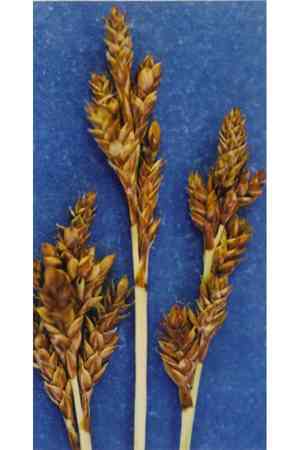
Carex buchananii is a perennial grass-like plant that flourishes in damp conditions. It can be successfully multiplied by dividing its root masses. Make sure to gently separate the root clumps to prevent harm. Place the divided sections into fertile, adequately draining soil, and keep the moisture levels steady. This practice will encourage strong root formation and vigorous development. Periodically inspect for insects and ailments to guarantee successful propagation and a flourishing garden.
When Is the Optimal Time to Propagate Brownish Sedge?
Propagation Method
Division
Propagation Period
Spring,Autumn
What Implements Are Utilized in Brownish Sedge Propagation?
Spade
A spade is vital for carefully excavating the clumps of brownish sedge. Its sharp edge enables precise cutting and removal of existing plants while minimizing root damage.
Sharp Knife/Pruners
These instruments are essential for separating the clumps of brownish sedge. A sharp knife or pair of pruners creates clean cuts through the root system, reducing plant trauma and promoting faster recovery and growth.
Garden Fork
A garden fork is beneficial for gently lifting and loosening the soil around brownish sedge to prevent root damage during the digging process. It aids in extracting plant clumps with minimal disturbance to the root structure.
Watering Can
A watering can is critical for ensuring brownish sedge receives sufficient moisture during and after the propagation process. Proper hydration is vital for the establishment of new divisions.
Root Hormone Powder
While not always required, a root hormone powder can be advantageous when propagating brownish sedge by division. It stimulates root development and assists in the successful establishment of the divided plant.
Potting Mix and Containers
If propagating brownish sedge in containers before ground transplanting, a quality potting mix and appropriate containers are necessary. These offer a temporary growing environment where plants can develop a robust root system.
How to Propagate Brownish Sedge?
Propagation Type
Easy
How to Nurture Your Newly Propagated Brownish Sedge?
How to Nurture Your Newly Propagated Brownish Sedge?
After propagating brownish sedge, it's crucial to monitor moisture levels to keep the soil consistently damp but not waterlogged. Mulching around the plant bases can help retain moisture and regulate temperature. Remove any competing weeds. Gradually decrease watering frequency as plants establish. Fertilize lightly during the growing season to support healthy development. Regularly inspect for pests and diseases, taking action as needed. Pruning dead or damaged foliage will enhance airflow and overall plant health.
Common Errors to Avoid When Propagating Brownish Sedge
Overwatering
Excessive watering can lead to root rot and fungal infections, hindering the plant's growth and vitality.
Poor Soil Drainage
Using poorly draining soil retains too much moisture, which can cause roots to suffocate and decay.
Incorrect Light Exposure
Placing the plant in excessive shade or direct sunlight can stress it, impacting its growth and vigor.
Improper Shedding
Failing to remove dead or decaying leaves can result in pest infestations and disease spread, affecting overall plant health.
Transplant Shock
Not properly acclimating the plant when relocating it can cause stress, leading to slower growth or plant demise.
Advice For Propagating Brownish Sedge
Ensure Moderate Watering
Water the plant consistently but allow the soil to dry out slightly between waterings to prevent root rot.
Use Well-Draining Soil
Opt for soil that has good drainage to avoid waterlogging and potential root issues.
Provide Part Shade
Place the plant in a location with partial shade to mimic its natural habitat, ensuring optimal light conditions.
Regular Maintenance
Trim away any dead or decaying leaves promptly to prevent pests and diseases from affecting the plant.
Gradual Acclimatization
When transplanting, gradually expose the plant to new conditions to minimize shock and help it adapt smoothly.



