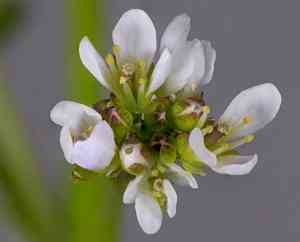
Nuttall's toothwort (Cardamine nuttallii)
Also known as: Nuttall’s Toothwort, Small-flowered Bittercress, Nuttall's Bittercress
Nuttall's toothwort is a dainty perennial that thrives in moist, deciduous woodland environments. It showcases clusters of pink or white flowers, each with four rounded petals, atop thin stems. The plant's pinnate leaves add to its delicate, feathery look. Typically found in the cool, shaded forest floor, it is a herald of springtime.
In This Article
Attributes of Nuttall's toothwort
Lifespan
Perennial
Plant Type
Herb
Plant Height
10 cm to 20 cm
Spread
N/A
Leaf Color
Green
Flower Size
5-10 mm
Flower Color
White to pinkish
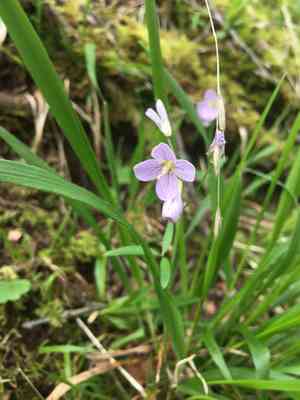
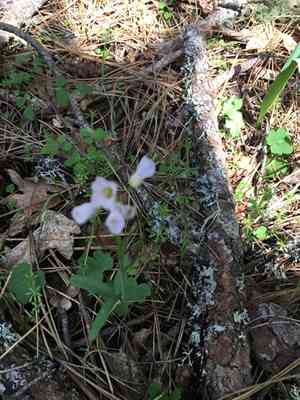
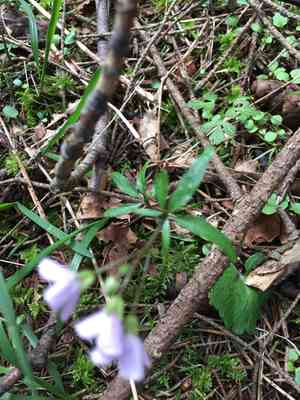
Images of Nuttall's toothwort
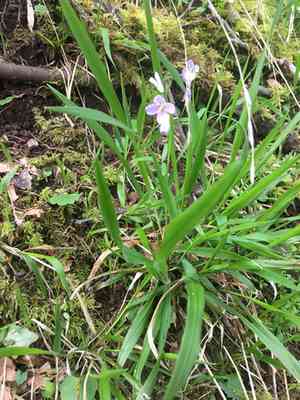
Quickly Identify Nuttall's toothwort
1
Look for the small, white to pinkish flowers clustered at the top of the stem and the characteristic compound leaves with deeply divided leaflets. The plant usually grows low to the ground and prefers moist, shady areas.
Scientific Classification of Nuttall's toothwort
Phylum
Vascular plants
Class
Dicotyledons
Order
Brassicales
Family
Cruciferae
Genus
Bittercresses
Species
Nuttall's toothwort
Planting and Growing of Nuttall's toothwort
Care Difficulty
Easy
Watering Schedule
Every 8 days
Sunlight Requirements
Partial sun
Sunshine Duration
6-12 hours
Ideal Temperature
60-70℉
Soil Type
Potting Mix, Peat Mix
Soil pH
6.5-7.5
Fertilizer Type
Balanced
Pruning Season
Spring, Summer
Pruning Area
Branches, Leaves
Pruning Frequency
2 times a year
Repotting Season
Spring
Pot Type
Plastic, Ceramic
 How to Water Nuttall's toothwort?
For Cardamine nuttallii, the general rule is to ensure the soil is consistently moist but not waterlogged. Water thoroughly until you see a bit of excess draining from the pot, approximately 250ml depending on the plant size. This ensures that the roots receive ample water without being drowned, maintaining just the right moisture level.
What are the symptoms of an underwatered Nuttall's toothwort?
›
What should I do if my Nuttall's toothwort is not getting enough water?
›
What are the symptoms of an overwatered Nuttall's toothwort?
›
How to save an overwatered Nuttall's toothwort?
›
 What Are the Sunlight Requirements for Nuttall's toothwort?
This plant flourishes in partial sunlight to full shade, benefiting from a woodland environment that enhances growth and leaf coloration by balancing light with shade.
What is the best lighting condition for Cardamine nuttallii?
›
What solutions help achieve ideal lighting for this plant?
›
What are the benefits of providing ideal light to this plant?
›
 What Is the Ideal Temperature Range for Nuttall's toothwort?
The ideal temperature range for Cardamine nuttallii is between 60°F and 70°F. Maintaining temperatures within this range ensures optimal growth and health of the plant. This range is suitable for promoting photosynthesis and maintaining overall vitality.
 What Soil is Best for Nuttall's toothwort?
Cardamine nuttallii thrives in soil that retains moisture well without becoming waterlogged. Loamy soil is excellent due to its balanced texture, providing adequate water retention while allowing proper drainage, essential for consistent plant hydration. This plant benefits from nutrient-rich soil, as it helps in robust growth and vibrant foliage. Loamy soils generally have good nutrient availability, supporting the plant's overall health and encouraging lush vegetative growth. The soil should provide firm but forgiving support for root expansion. Sandy loam, with its stability and lightness, is ideal, offering anchorage while allowing roots to penetrate deeply and absorb nutrients efficiently.
 How to Fertilize Nuttall's toothwort?
Cardamine nuttallii is a delicate woodland plant that requires minimal fertilization. Use a half-strength liquid fertilizer for delicate plants, applying at a rate of 1/4 to 1/2 teaspoon per gallon of water. This ensures the plant receives adequate nutrients without the risk of over-fertilization.
 How to Prune Nuttall's toothwort?
Begin by identifying any dead or damaged leaves and stems. These should be removed first to prevent disease and improve air circulation around the plant. Trim back overgrown branches to a node where new growth is visible. Cutting just above a node will stimulate the plant to produce more branches and leaves, creating a fuller look. Shape the plant by cutting back branches that disrupt its desired silhouette. Cardamine nuttallii can be maintained as a neat and compact shape with regular pruning.
More About Pruning Techniques→
 How to Propagate Nuttall's toothwort plant?
1
Collect Cardamine nuttallii seeds at the end of their growing season. Ensure seeds are dry and free of any debris or damaged parts.
2
Fill seed trays with a well-draining soil mix, sow seeds evenly, and lightly cover them with soil. Keep the soil moist and place the trays in a sunny location.
3
For division propagation, gently remove the plant from the soil, ensuring roots aren't damaged. Use a sharp knife or spade to divide the plant into smaller sections, each with roots. Replant immediately.
 How to Repot Nuttall's toothwort plant?
1
Cardamine nuttallii needs repotting when you see roots protruding from the drainage holes, or if growth seems stunted. Ideally, repot during spring or autumn to minimize shock. These seasons offer mild temperatures, promoting healthier root establishment.
2
Select a pot slightly larger than the current one, ideally 1-2 inches in diameter bigger. Ensure it has enough drainage holes since excess moisture can damage the roots. A pot of the right size aids in balanced growth and prevents waterlogging.
3
Opt for a well-draining, loamy soil mixture that retains some moisture but does not stay soggy. Proper soil promotes root health by providing adequate air flow and preventing root rot, ensuring the plant thrives in its new environment.



