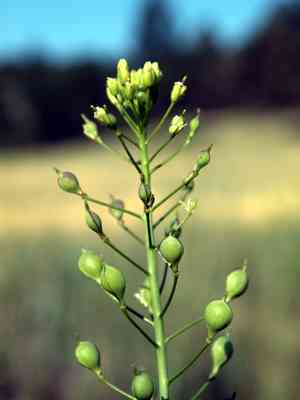
Littlepod false flax (Camelina microcarpa)
Also known as: Hairy false flax, Small-seeded false flax, Small-fruited gold-of-pleasure
Littlepod false flax, also known as Camelina microcarpa, is a flowering annual herb that often becomes a troublesome weed in grain crops. In the past, it was used to extract oil, but in modern times, it has fallen out of favor due to the availability of more efficient oil-producing plants.
In This Article
Attributes of Littlepod false flax
Lifespan
Annual, Biennial
Plant Type
Herb
Plant Height
15 cm to 40 cm
Spread
Not applicable
Leaf Color
Green
Flower Size
8 mm
Flower Color
White Yellow
Images of Littlepod false flax
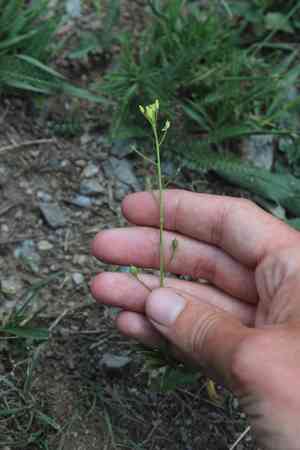
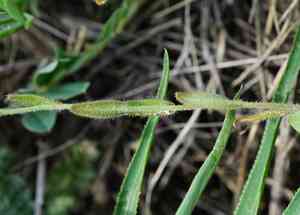
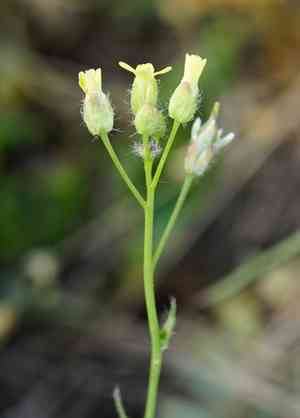
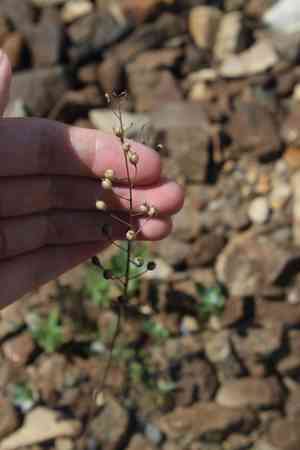
Quickly Identify Littlepod false flax
1
Identify Camelina microcarpa by its small yellow flowers arranged in racemes, its slender and branching stem, narrow and elongated leaves, and small seed pods that are teardrop-shaped.
Scientific Classification of Littlepod false flax
Phylum
Vascular plants
Class
Dicotyledons
Order
Brassicales
Family
Cruciferae
Genus
False flaxes
Species
Littlepod false flax
Planting and Growing of Littlepod false flax
Care Difficulty
Easy
Watering Schedule
Every 3 days
Sunlight Requirements
Full sun
Sunshine Duration
6-10 hours
Ideal Temperature
60-75℉
Soil Type
Potting Mix, Peat Mix
Soil pH
6.5-7.5
Fertilizer Type
Balanced
Pruning Season
Spring, Summer
Pruning Area
Branches, Leaves
Pruning Frequency
2 times a year
Repotting Season
Spring
Pot Type
Plastic, Ceramic
 How to Water Littlepod false flax?
Camelina microcarpa thrives best when watered in moderation. Aim to moisten the soil thoroughly, but ensure it's not waterlogged. About 200 milliliters per session usually suffices to reach the roots comfortably.
What are the symptoms of an underwatered Littlepod false flax?
›
What should I do if my Littlepod false flax is not getting enough water?
›
What are the symptoms of an overwatered Littlepod false flax?
›
How to save an overwatered Littlepod false flax?
›
 What Are the Sunlight Requirements for Littlepod false flax?
Camelina microcarpa prefers full sun or partial sun environments. Ideal lighting supports high photosynthesis rates, leading to vigorous growth and optimal seed development, crucial for its agricultural and ecological roles.
More About Sunlight Requirements Techniques→
What type of light does Camelina microcarpa need?
›
How can I ensure Camelina microcarpa gets ideal light?
›
Why is ideal light important for Camelina microcarpa?
›
 What Is the Ideal Temperature Range for Littlepod false flax?
The ideal temperature range for the growth of Camelina microcarpa is between 60°F and 75°F. This range ensures optimal growth and development, providing conditions that support proper germination and health of the plant throughout its lifecycle. These temperatures are generally consistent with the temperate climates where this plant naturally thrives.
 What Soil is Best for Littlepod false flax?
Camelina microcarpa prefers nutrient-rich soil to support its growth. Fertile soil ensures the plant receives adequate macro and micronutrients for healthy development. Good drainage is critical for Camelina microcarpa. It helps prevent root rot and other diseases caused by excess moisture, ensuring the plant grows vigorously. Although well-drained, the soil should retain some moisture to keep the plant hydrated. This balance helps Camelina microcarpa endure periods without rain while avoiding drought stress.
 How to Fertilize Littlepod false flax?
Camelina microcarpa requires moderate fertilization. For liquid fertilizers, use approximately 10 ml per liter of water, ensuring a well-balanced N-P-K ratio. For slow-release fertilizers, apply about 20 grams per square meter. This ensures proper nutrition without overloading the soil.
 How to Prune Littlepod false flax?
Begin by identifying the parts of Camelina microcarpa that need attention. Look for any dead, damaged, or diseased stems and foliage. These should be your priority for removal to enhance the plant's health and appearance. Using your sharp shears, trim back the stems to maintain the desired size and shape. Cut just above a healthy leaf node to promote new growth. Ensure to maintain a balanced shape for even sunlight distribution and aesthetic appeal. After pruning, clear away any plant debris from the ground. This reduces the risk of pests and diseases and ensures a clean growing environment for Camelina microcarpa. Compost healthy cuttings if desired, but dispose of any diseased material.
More About Pruning Techniques→
 How to Propagate Littlepod false flax plant?
1
Start by filling the seed tray with a well-draining soil mix. Ensure the soil is evenly distributed and gently press it down to create a flat surface. This helps in uniform seed placement and ensures good soil-seed contact.
2
Scatter the Camelina microcarpa seeds evenly across the prepared soil surface. Avoid overcrowding, as this can hinder germination. After sowing, lightly cover the seeds with a thin layer of soil to protect them.
3
Use a fine mist spray to water the seeds gently. This prevents the seeds from being displaced. Maintain consistent moisture without making the soil soggy, as excess water can lead to fungal growth.
 How to Repot Littlepod false flax plant?
1
Camelina microcarpa indicates the need for repotting when its roots begin to circle tightly within their container, or if you notice a significant slowdown in growth. Prefer repotting in spring or autumn as these seasons provide moderate conditions for recovery after transplantation, ensuring optimal growth when Camelina resumes its active phase.
2
Select a pot that is 1 to 2 inches larger in diameter than the current one. Ensure it has sufficient drainage holes to prevent waterlogging, which can cause root rot. A slightly larger size will give roots additional space to grow without overwhelming them, supporting healthy development without compromising moisture control.
3
Opt for a well-draining mix to prevent excess moisture retention, which Camelina microcarpa roots do not tolerate well. Incorporating perlite or sand can improve aeration and drainage, leading to a healthier root system by allowing roots to access essential nutrients and oxygen efficiently.



