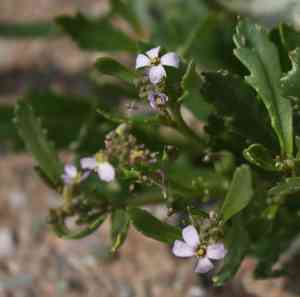
American searocket (Cakile edentula)
Also known as: American sea rocket, Harpers sea rocket
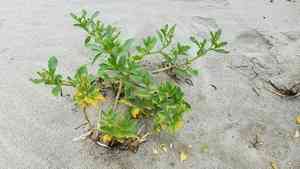
The American searocket, a small, shrubby succulent found on beaches and sand dunes, is known for its tangy mustard-like flavor. It produces small flowers that can be white, pink, purple, or blue. When planted near unrelated species, it tends to grow aggressively, but this aggressive growth is not observed when it is planted next to related species.
In This Article
Attributes of American searocket
Lifespan
Annual, Biennial, Perennial
Plant Type
Herb
Plant Height
15 cm to 46 cm
Spread
30-50 cm
Leaf Color
Green Blue
Flower Size
6 mm
Flower Color
White Purple
Images of American searocket
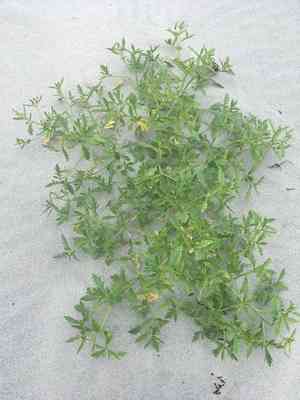
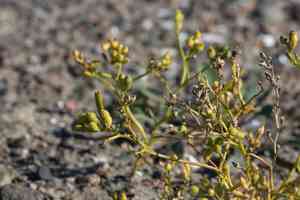
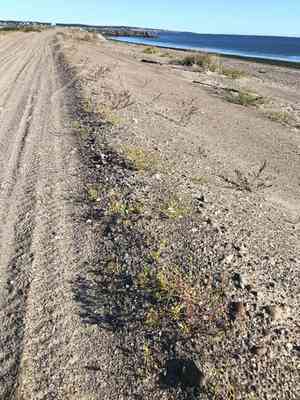
Quickly Identify American searocket
1
This plant can be identified by its fleshy, succulent leaves which are often toothed or lobed. The flowers are small, ranging from white to light purple, with four petals. It produces long, cylindrical seed pods that help it spread across sandy areas.
Scientific Classification of American searocket
Phylum
Vascular plants
Class
Dicotyledons
Order
Brassicales
Family
Cruciferae
Genus
Searockets
Species
American searocket
Planting and Growing of American searocket
Care Difficulty
Easy
Watering Schedule
Every 4 days
Sunlight Requirements
Full sun
Sunshine Duration
6-10 hours
Ideal Temperature
61-75℉
Soil Type
Potting Mix, Peat Mix
Soil pH
6.5-7.5
Fertilizer Type
Balanced
Pruning Season
Spring, Summer
Pruning Area
Branches, Leaves
Pruning Frequency
2 times a year
Repotting Season
Spring
Pot Type
Plastic, Ceramic
 How to Water American searocket?
When watering Cakile edentula, aim for about 250 milliliters per session to ensure the soil is adequately moist but not waterlogged. The goal is to mimic its native coastal environment, where it receives sporadic rain yet can thrive in sandy, well-draining soil. Allow excess water to drain out to prevent root rot.
What are the symptoms of an underwatered American searocket?
›
What should I do if my American searocket is not getting enough water?
›
What are the symptoms of an overwatered American searocket?
›
How to save an overwatered American searocket?
›
 What Are the Sunlight Requirements for American searocket?
Cakile edentula ideally thrives in full sun, requiring about 6 to 8 hours of direct sunlight. Adequate sunlight helps promote healthy growth, resulting in abundant flowering and robust plant structure.
More About Sunlight Requirements Techniques→
How much sunlight is ideal?
›
What if it's too sunny or too shady?
›
Why is sunlight important for this plant?
›
 What Is the Ideal Temperature Range for American searocket?
The ideal temperature range for Cakile edentula, also known as American sea rocket, is between 61°F and 75°F. This range ensures optimal growth by providing a stable and mild environment that mimics its natural coastal habitat. Within this range, the plant can maintain healthy photosynthesis and nutrient uptake processes, leading to robust growth and development.
 What Soil is Best for American searocket?
Cakile edentula thrives in well-drained soil conditions to prevent root rot. Adequate drainage allows for oxygen flow to the roots, improving the plant's health and growth capacity. Sandy soil offers a loose, aerated structure ideal for Cakile edentula, ensuring roots receive ample oxygen. This structure also facilitates faster growth and resilience against certain soil-borne diseases. While it prefers nutrient-rich conditions, the soil should not be waterlogged to avoid nutrient leaching. Balanced nutrients support robust growth, flowering, and seed production.
 How to Fertilize American searocket?
For Cakile edentula, the fertilizing amount needs to be moderate. During active growth, use a balanced liquid fertilizer, diluted to half the recommended strength, applying this solution evenly across the base of the plant to avoid over-saturation and nutrient burn.
 How to Prune American searocket?
Start by observing the overall structure of Cakile edentula. Identify any dead or damaged branches that need removal. Look for crossing branches that could impede growth and reduce airflow. Begin pruning by removing any obviously dead or diseased branches. Cut right back to the base or to a healthy section, ensuring a clean cut to reduce the chance of further infection. Trim back any overgrown branches to maintain a balanced shape. Focus on creating an open canopy which allows light and air to circulate easily through the plant, promoting healthier internal growth. After the major pruning, step back and assess your work. Make minor adjustments to achieve the desired shape, only removing small amounts as excessive cutting can stress the plant.
More About Pruning Techniques→
 How to Propagate American searocket plant?
1
First, fill a seed tray with a light, well-draining potting mix. This will provide the ideal environment for the young seedlings to emerge. Ensure the soil is moistened evenly but not soaked before planting the seeds.
2
Scatter Cakile edentula seeds evenly over the surface of the prepared soil. Lightly cover the seeds with a thin layer of soil, as they need sunlight for germination. Gently press down to ensure the seeds are in contact with the soil.
3
Use a mister or spray bottle to keep the soil consistently moist. Place the seed tray in a location with indirect sunlight or under grow lights if indoors. Regularly check the moisture and avoid both overwatering and complete drying out of the soil.
 How to Repot American searocket plant?
1
Cakile edentula should be repotted when its roots become visible through the drainage holes or the plant appears to outgrow its container. Also, if the soil seems compacted or waterlogged, it's a sign that repotting is necessary. Spring and Summer are the best seasons to repot, as the plant is actively growing and can recover quickly from the disturbance.
2
Selecting a suitable pot for Cakile edentula involves choosing one that's slightly larger than its current pot. Ensure it has adequate drainage holes to prevent waterlogging, which can lead to root rot. A well-sized pot allows the roots to spread comfortably and supports robust foliage growth.
3
Opt for a well-draining sandy mix that mimics its natural coastal habitat. Good soil aeration is crucial for preventing root diseases. The sandy texture allows roots to breathe and helps maintain a balanced moisture level, providing an ideal environment for Cakile edentula to thrive.



