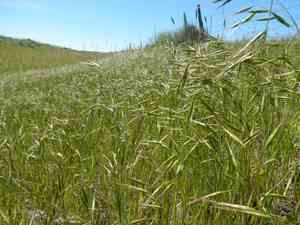
Japanese chess (Bromus japonicus)
Also known as: Japanese brome grass
**Poa annua**, also known as annual bluegrass, is a tufted grass that can reach heights of up to 20 cm. Native to Eurasia, this species thrives in various environments such as fields, waste areas, roadsides, and sand dunes.
In This Article
Attributes of Japanese chess
Lifespan
Annual, Biennial
Plant Type
Grass
Plant Height
36 cm to 71 cm
Spread
30 cm
Leaf Color
Green to light brown
Flower Size
6 cm to 13 cm
Flower Color
Yellow Green
Images of Japanese chess
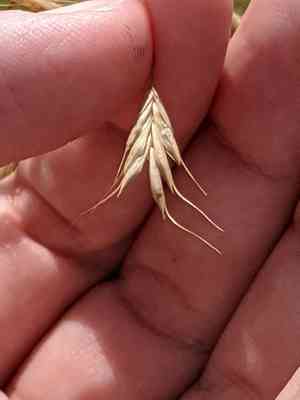
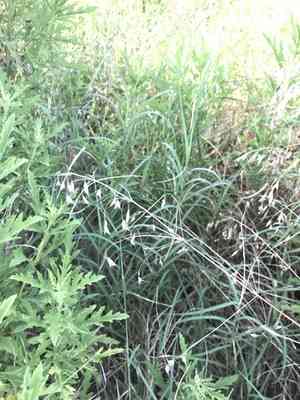
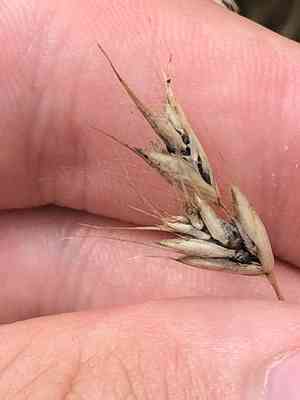
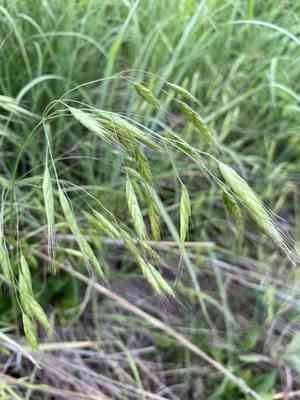
Quickly Identify Japanese chess
1
Japanese brome can be identified by its loose, drooping panicle that contains multiple spikelets. The spikelets are long and narrow, with an awn (a bristle-like appendage) attached to each floret. The leaves are flat, pubescent (hairy), and can vary in color from green to light brown as the plant matures.
Scientific Classification of Japanese chess
Phylum
Vascular plants
Class
Monocotyledons
Order
Poales
Family
Grass
Genus
Bromes
Species
Japanese chess
Planting and Growing of Japanese chess
Care Difficulty
Easy
Watering Schedule
Every 2 days
Sunlight Requirements
Full sun
Sunshine Duration
6-10 hours
Ideal Temperature
50-77℉
Soil Type
Potting Mix, Peat Mix
Soil pH
6.5-7.5
Fertilizer Type
Balanced
Pruning Season
Spring, Summer
Pruning Area
Branches, Leaves
Pruning Frequency
2 times a year
Repotting Season
Spring
Pot Type
Plastic, Ceramic
 How to Water Japanese chess?
Bromus japonicus requires moderate watering. Ensure the soil is consistently moist but not waterlogged. Provide approximately 250 ml of water, allowing the soil to dry slightly between waterings. This helps prevent root rot and ensures healthy growth.
What are the symptoms of an underwatered Japanese chess?
›
What should I do if my Japanese chess is not getting enough water?
›
What are the symptoms of an overwatered Japanese chess?
›
How to save an overwatered Japanese chess?
›
 What Are the Sunlight Requirements for Japanese chess?
Bromus japonicus ideally requires full sun for at least 4-8 hours to flourish. This light range ensures photosynthesis rates optimal for health and growth, promoting lush, green foliage.
What type of sunlight does Bromus japonicus prefer?
›
How can I ensure Bromus japonicus receives ideal sunlight?
›
What benefits does Bromus japonicus gain from ideal light conditions?
›
 What Is the Ideal Temperature Range for Japanese chess?
The ideal temperature range for the growth of Bromus japonicus is between 50°F and 77°F. This range provides optimal conditions for its growth and development, ensuring the grass can photosynthesize efficiently and maintain proper metabolic functions. Temperatures within this range are typically ideal during the growing season, providing a balance of warmth and coolness.
 What Soil is Best for Japanese chess?
Bromus japonicus thrives in nutrient-rich soil, as it provides essential nutrients like nitrogen and phosphorus that are vital for growth and development. Such soil conditions ensure robust root systems and overall plant health. This plant prefers well-drained soil to avoid waterlogging, which can cause root rot and other diseases. Proper drainage helps maintain adequate air space in the soil, promoting healthy root development and nutrient uptake. Consistent moisture without saturation is key for Bromus japonicus. The soil should retain enough moisture to sustain the plant’s needs, but not hold excessive water that may lead to stress or poor growth.
 How to Fertilize Japanese chess?
For Bromus japonicus, fertilization amounts should be carefully managed. A balanced liquid fertilizer, diluted to half strength, should be used with each application. Generally, about 1-1.5 liters per square meter is sufficient, ensuring the soil isn't overly enriched and roots aren't damaged.
 How to Prune Japanese chess?
Begin by identifying and removing dead or diseased stems. These can appear brown or black and lack leaves. Use sterilized pruning shears to cut these stems close to the base of the plant to prevent the spread of disease. After removing the unhealthy stems, thin out crowded areas to improve air circulation. Prune selectively to shape the plant and encourage more branches, cutting just above a leaf node to promote new growth. Collect and dispose of the pruned material away from the plant area to prevent pests and diseases. Composting may be an option if the plant material is disease-free, otherwise, dispose of it through your local waste system.
 How to Propagate Japanese chess plant?
1
Begin by filling the seed starting tray with a well-draining seed-starting mix. Distribute the seeds evenly across the surface of the soil mix and cover them lightly with a thin layer of soil. Gently mist the surface to ensure the seeds are moist but not waterlogged.
2
Place the seed starting tray in a location with indirect light and maintain a temperature of around 18-22°C (65-72°F). Ensure that the soil remains consistently moist by watering lightly as needed. Overwatering should be avoided as it can lead to rot.
3
Once the seedlings have developed a couple of true leaves, they can be carefully transplanted into individual pots or a prepared garden bed. Handle the seedlings gently to avoid damaging the young roots and ensure they are planted at the same soil depth as in the seed tray.
 How to Repot Japanese chess plant?
1
For Bromus japonicus, the best time to repot is when you notice stunted growth, roots emerging from drainage holes, or soil that dries out too quickly. These signs indicate that the plant has outgrown its current container and requires more space to thrive.
2
Select a pot that is 2 inches larger in diameter than the current one, with ample drainage holes. The new pot provides room for root expansion, helping the plant absorb nutrients better and support healthy growth over time.
3
Opt for a well-draining loam mix. This soil composition balances moisture retention with aeration, facilitating healthy root development. Good drainage prevents waterlogging, reducing the risk of root rot and allowing the plant to flourish.


