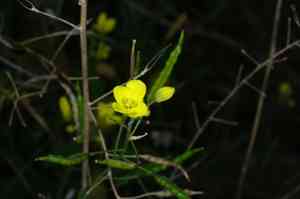
Mediterranean cabbage (Brassica fruticulosa)
Also known as: Mediterranean cabbage, Shrubby cabbage
Mediterranean cabbage can be identified by the presence of stalks on its upper stem leaves, unlike B. rapa and B. oleracea, which have upper stem leaves that are stalkless. Additionally, when crushed, it releases an aroma akin to broccoli and cabbage.
In This Article
Attributes of Mediterranean cabbage
Lifespan
Annual
Plant Type
Herb
Plant Height
50 cm
Spread
Approximately 0.5 to 1 meter
Leaf Color
Green
Flower Size
2 to 3 cm
Flower Color
Yellow
Images of Mediterranean cabbage
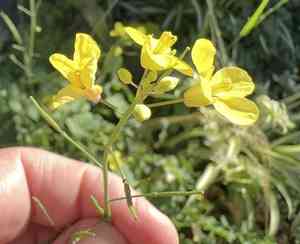
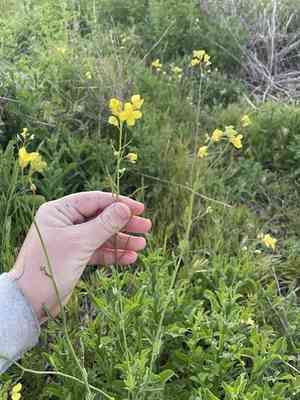
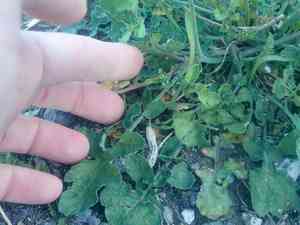
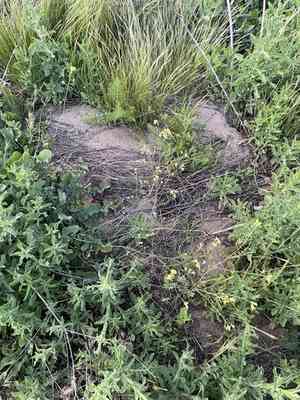
Quickly Identify Mediterranean cabbage
1
Identifying Brassica fruticulosa involves looking for its small, bright yellow, four-petaled flowers arranged in racemes and its lobed, green leaves that form a rosette at the base. The plant generally has a woody stem.
Scientific Classification of Mediterranean cabbage
Phylum
Vascular plants
Class
Dicotyledons
Order
Brassicales
Family
Cruciferae
Genus
Kales
Species
Mediterranean cabbage
Planting and Growing of Mediterranean cabbage
Care Difficulty
Easy
Watering Schedule
Every 4 days
Sunlight Requirements
Full sun
Sunshine Duration
6-10 hours
Ideal Temperature
60-75℉
Soil Type
Potting Mix, Peat Mix
Soil pH
6.5-7.5
Fertilizer Type
Balanced
Pruning Season
Spring, Summer
Pruning Area
Branches, Leaves
Pruning Frequency
Once a year
Repotting Season
Spring
Pot Type
Plastic, Ceramic
 How to Water Mediterranean cabbage?
When watering Brassica fruticulosa, aim to provide enough moisture to soak the root zone but not saturate the soil. Typically, 250 ml of water is sufficient. Ensure that the soil appears evenly moist but not overly wet. Adhering to this range will maintain a healthy moisture level for the plant.
What are the symptoms of an underwatered Mediterranean cabbage?
›
What should I do if my Mediterranean cabbage is not getting enough water?
›
What are the symptoms of an overwatered Mediterranean cabbage?
›
How to save an overwatered Mediterranean cabbage?
›
 What Are the Sunlight Requirements for Mediterranean cabbage?
Brassica fruticulosa flourishes in partial to full sun environments. These conditions promote optimal photosynthesis, leading to healthy growth and resilient foliage.
More About Sunlight Requirements Techniques→
What is the best location for Brassica fruticulosa?
›
When should I expose Brassica fruticulosa to sunlight?
›
How can Brassica fruticulosa's sunlight exposure be optimized?
›
 What Is the Ideal Temperature Range for Mediterranean cabbage?
The ideal temperature for cultivating Brassica fruticulosa is between 60°F and 75°F. This range supports optimal growth and ensures the plant can thrive by encouraging robust foliage development, efficient photosynthesis, and strong root systems.
 What Soil is Best for Mediterranean cabbage?
Brassica fruticulosa prefers well-draining soil to prevent waterlogging, which can lead to root rot. By ensuring the soil drains efficiently, you provide the plant with the ideal environment to absorb nutrients without the risk of excessive moisture buildup. This plant thrives in nutrient-rich soils, which supply it with essential minerals and compounds necessary for robust growth and development. Incorporating organic matter or compost can enhance the soil's fertility, promoting lush leaf production. Brassica fruticulosa can tolerate slightly alkaline soils, which can help in neutralizing acidity and supporting optimal nutrient uptake. By maintaining pH levels around 6.5 to 7.5, you create a balanced environment for healthy plant growth.
 How to Fertilize Mediterranean cabbage?
When it comes to fertilizing Brassica fruticulosa, moderation is key. Use about half the recommended amount for general fertilizers, focusing on a balance of nitrogen, phosphorus, and potassium. This plant prefers an N-P-K ratio of around 10-10-10 for balanced growth without over-stimulation.
 How to Prune Mediterranean cabbage?
Start by observing the structure of Brassica fruticulosa, identifying any stems that look overcrowded or are growing inwards. Clear visibility of the plant's branches is crucial as it helps in deciding which parts should be pruned to enhance air circulation and light penetration. When pruning, make clean cuts just above a node, which is where new growth will emerge. This encourages healthier and fuller growth patterns. Cutting too far above a node can leave a stub that dies back, while cutting too low can damage the node and hinder new growth.
More About Pruning Techniques→
 How to Propagate Mediterranean cabbage plant?
1
Fill a seed tray with a light potting mix and sow the seeds at an even depth. Lightly cover the seeds with soil and keep the tray in a warm spot to promote germination.
2
Choose a healthy branch from the parent plant. Use sharp pruning shears to make a cut just below a node. Each cutting should ideally be 5-10 cm in length.
3
Place the cuttings in a potting mix specifically designed for cuttings. Ensure the nodes are in contact with the soil, as roots will develop from these points.
 How to Repot Mediterranean cabbage plant?
1
Brassica fruticulosa signals the need for repotting when roots start growing through drainage holes or the plant appears root-bound. Additionally, if you notice stunted growth or yellowing leaves, it's time to repot. Spring and early summer are ideal as the plant can recover quickly in warming conditions.
2
Select a pot that's 1-2 inches larger in diameter than the current pot to allow room for growth. Clay pots are excellent for this plant as they provide good drainage and breathability, preventing root rot and promoting healthy root development.
3
Opt for a well-draining, nutrient-rich soil mix, like a blend of potting soil with perlite and some compost. This ensures good aeration, retains necessary moisture, and provides essential nutrients for sustained growth.
Learn More About Mediterranean cabbage Diseases
Bacterial Leaf Spot
Bacterial Soft Rot
Clubroot
Cyst Nematode
Damping-off
Downy Mildew
Drought Stress
Fusarium Wilt
Gray Mold
Leaf Spot
Mosaic
Nutrient Deficiency
Nutrient Toxicity
Powdery Mildew
Root Rot
Root-knot Nematode
Sooty Mold
Spider Mites
Temperature Stress
Thrips Damage
White Mold
Chemical Injury



