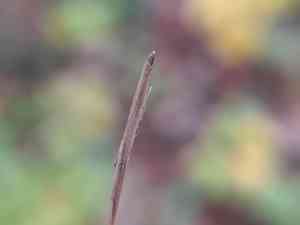
Northern shorthusk (Brachyelytrum aristosum)
Also known as: No commonly known aliases
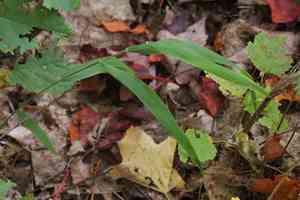
The northern shorthusk is a perennial grass that features upright, silky-haired stems, typically growing between 60 to 120 cm tall. Its broad, lance-shaped leaves have a unique texture due to their fine hairs, giving them a soft look. This grass prefers to grow in shady woodland areas, where the dappled light filtering through the canopy influences its leaf and stem development. It produces feathery, silvery flowers in late summer, creating a striking contrast against its green leaves.
In This Article
Attributes of Northern shorthusk
Lifespan
Perennial
Plant Type
Grass
Plant Height
30-60 cm
Spread
N/A - Grass typically does not have a crown diameter
Leaf Color
Green
Flower Size
Approximately 0.1-0.3 cm
Flower Color
The flower spikelets are typically green or purplish.
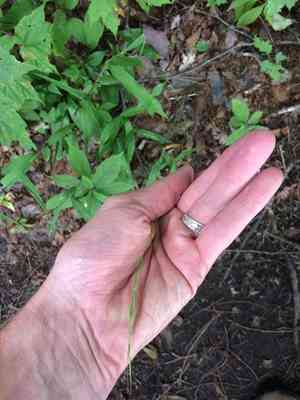
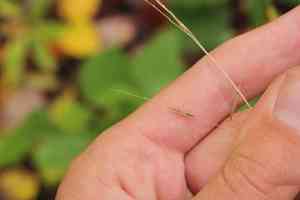
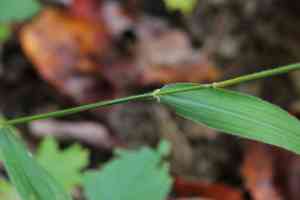
Images of Northern shorthusk
Quickly Identify Northern shorthusk
1
Brachyelytrum aristosum can be identified by its loose, open panicles and its long, narrow leaves that have a rough texture. The grass typically grows in shaded forest areas and can often be found on the forest floor.
Scientific Classification of Northern shorthusk
Phylum
Vascular plants
Class
Monocotyledons
Order
Poales
Family
Grass
Genus
Brachyelytrum
Species
Northern shorthusk
Planting and Growing of Northern shorthusk
Care Difficulty
Moderate
Watering Schedule
Every 4 days
Sunlight Requirements
Partial sun
Sunshine Duration
6-10 hours
Ideal Temperature
60-75℉
Soil Type
Potting Mix, Peat Mix
Soil pH
6.5-7.5
Fertilizer Type
Balanced
Pruning Season
Spring, Summer
Pruning Area
Branches, Leaves
Pruning Frequency
2 times a year
Repotting Season
Spring
Pot Type
Plastic, Ceramic
 How to Water Northern shorthusk?
For Brachyelytrum aristosum, a moderate watering approach works best. This means giving it about 200 milliliters of water each session. The soil should be kept evenly moist but not soggy. Watering should mimic the natural environment of the plant without creating pooling.
What are the symptoms of an underwatered Northern shorthusk?
›
What should I do if my Northern shorthusk is not getting enough water?
›
What are the symptoms of an overwatered Northern shorthusk?
›
How to save an overwatered Northern shorthusk?
›
 What Are the Sunlight Requirements for Northern shorthusk?
Partial sun to partial shade is ideal. This balance avoids stress from severe sun exposure while providing adequate light for photosynthesis, promoting healthy, lush growth.
What is the ideal light exposure for Brachyelytrum aristosum?
›
How can I ensure my Brachyelytrum aristosum gets ideal lighting?
›
What benefits does ideal lighting provide to Brachyelytrum aristosum?
›
 What Is the Ideal Temperature Range for Northern shorthusk?
Brachyelytrum aristosum thrives best when the temperature ranges between 60°F and 75°F. This range allows for optimal physiological processes such as photosynthesis and respiration, ensuring healthy growth and development.
 What Soil is Best for Northern shorthusk?
Brachyelytrum aristosum thrives in well-drained soil, which prevents waterlogging and root rot. Good drainage ensures healthy root systems and vigorous plant growth. A nutrient-rich soil is essential for Brachyelytrum aristosum as it provides necessary nutrients for robust growth, vibrant foliage, and overall plant health. The soil should retain adequate moisture without becoming overly saturated, which helps maintain consistent hydration for Brachyelytrum aristosum, especially during dry periods.
 How to Fertilize Northern shorthusk?
For Brachyelytrum aristosum, it's important to ensure the right amount of fertilizer. Apply liquid fertilizer at a strength of 1/4 of the recommended dosage to avoid over-fertilization. When using slow-release pellets, use about 10 grams per square meter of garden space.
 How to Prune Northern shorthusk?
Start by removing any dead or discolored foliage to improve the plant's appearance and overall health. Identify the oldest stalks as these should be pruned first to encourage new growth. Trim them down to the base using clean, sharp shears. Pay attention to the symmetry while maintaining the natural shape of the plant. Pruning can be done gently to thin out crowded areas, which will boost airflow and reduce the chance of fungal diseases. If your Brachyelytrum aristosum has grown too tall, particularly overshadowing nearby plants, you may want to reduce its height. This should be done carefully, cutting above a node, which is the point where the foliage branches from the stem. This will stimulate denser and bushier growth, enhancing the visual appeal of your grass.
More About Pruning Techniques→
 How to Propagate Northern shorthusk plant?
1
Ensure the soil is well-drained and amended with organic matter. Loosen it to create a hospitable environment for seed germination or newly divided plants.
2
Sow the seeds evenly on the prepared soil surface. Lightly cover them with a thin layer of soil and water gently to dampen the soil without displacing the seeds.
3
Carefully dig up mature plants and separate them into smaller clusters. Replant these divided clusters quickly to minimize stress and water them thoroughly.
 How to Repot Northern shorthusk plant?
1
Repot Brachyelytrum aristosum when you notice its roots growing out of the drainage holes or the plant becomes root-bound. Spring and summer are the optimal seasons as the plant is in its active growth phase, making it easier to recover from the transplant shock.
2
Choose a pot that is one size larger than the current one, with sufficient drainage holes. A pot that is too large may lead to a higher risk of root rot due to water retention. Proper drainage ensures that the roots have ample space to grow while preventing waterlogging.
3
For Brachyelytrum aristosum, opt for a well-draining loamy soil mix. This type of soil allows excess water to escape quickly, preventing root rot and ensuring the roots get enough oxygen. A good soil mix promotes healthy root growth and supports the plant's overall development.



