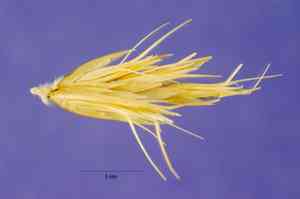
Slender grama (Bouteloua repens)
Also known as: Slender Grama, Slender Bouteloua
Slender grama (Bouteloua repens) is a perennial grass well-suited for warm climates, featuring fine-textured, sprawling stems that root at the nodes to create dense ground coverage. Its drought tolerance and ability to grow in poor soils make it a low-maintenance, resilient option. The grass also produces unique, spike-like seed heads that add aesthetic appeal and interest to ornamental landscapes.
In This Article
Attributes of Slender grama
Lifespan
Perennial
Plant Type
Grass
Plant Height
0 mm to 30 cm
Spread
Not applicable (grass)
Leaf Color
Green, turning brown during dormancy
Flower Size
Approximately 0.5 cm (inflorescence width)
Flower Color
Reddish-brown to purple
Images of Slender grama
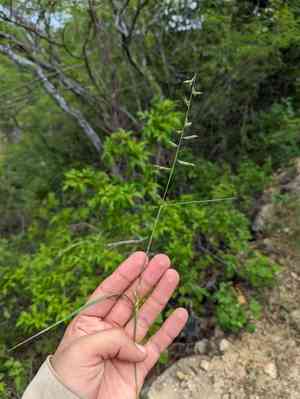
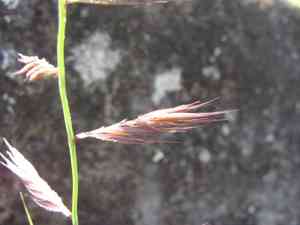
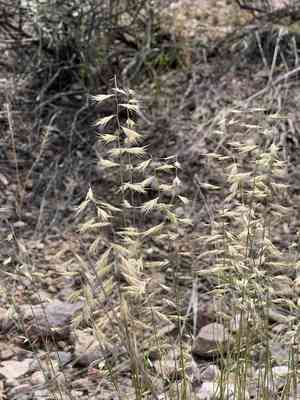
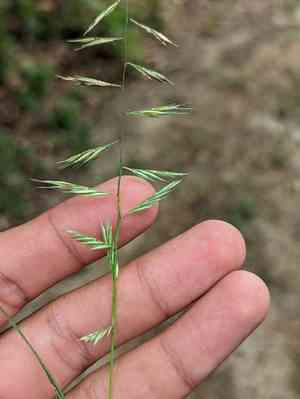
Quickly Identify Slender grama
1
Bouteloua repens can be identified by its slender, wiry stems and nodding, one-sided seed heads that resemble small combs. The leaves are narrow and can roll inward during dry conditions.
Scientific Classification of Slender grama
Phylum
Vascular plants
Class
Monocotyledons
Order
Poales
Family
Grass
Genus
Grama grasses
Species
Slender grama
Planting and Growing of Slender grama
Care Difficulty
Easy
Watering Schedule
Every 2 days
Sunlight Requirements
Full sun
Sunshine Duration
6-10 hours
Ideal Temperature
68-77℉
Soil Type
Potting Mix, Peat Mix
Soil pH
6.5-7.5
Fertilizer Type
Balanced
Pruning Season
Spring, Summer
Pruning Area
Branches, Leaves
Pruning Frequency
2 times a year
Repotting Season
Spring
Pot Type
Plastic, Ceramic
 How to Water Slender grama?
Bouteloua repens prefers a moderate watering approach. Aim to provide the plant with about 300 milliliters of water each time to moisten the soil thoroughly without leaving it soggy, preventing root rot.
What are the symptoms of an underwatered Slender grama?
›
What should I do if my Slender grama is not getting enough water?
›
What are the symptoms of an overwatered Slender grama?
›
How to save an overwatered Slender grama?
›
 What Are the Sunlight Requirements for Slender grama?
Full sun exposure yields optimal Bouteloua repens growth. This facilitates robust foliage development, supports flowering, and strengthens root systems.
What type of light suits Bouteloua repens best?
›
How can I ensure Bouteloua repens receives ideal lighting?
›
What benefits does Bouteloua repens gain from ideal lighting?
›
 What Is the Ideal Temperature Range for Slender grama?
The ideal temperature range for cultivating Bouteloua repens falls between 68°F and 77°F. Within this range, the plant thrives and demonstrates optimal growth and development. These temperatures support efficient photosynthesis and metabolic processes, which are crucial for the plant's health and vitality. Maintaining such conditions is essential for sustaining lush and vigorous foliage.
 What Soil is Best for Slender grama?
Bouteloua repens thrives in well-drained soils that prevent waterlogging and root rot. Ensuring proper drainage helps maintain healthy root systems, promoting robust growth and lush foliage. This grass prefers soils with moderate nutrient levels. Providing balanced nutrients supports its growth cycles, resulting in denser turf and improved drought resistance. While drainage is crucial, the soil should retain some moisture to ensure sustained growth. Adequate moisture retention prevents the grass from drying out between watering and enhances its resilience.
 How to Fertilize Slender grama?
Bouteloua repens typically requires modest amounts of fertilizer. Use a balanced 10-10-10 NPK fertilizer, ensuring that you apply no more than half a teaspoon per square foot each month during its growing season. This rate helps the plant to flourish without overwhelming its root systems with excess nutrients, fostering steady and healthy growth.
 How to Prune Slender grama?
Start by identifying any dead or diseased parts of the Bouteloua repens. Use sharp, clean shears to remove these sections, which will help prevent disease spread and encourage new growth. Ensure you’re cutting at a slight angle to encourage easier water runoff and healthier growth. Shape the plant by trimming any unruly or excessively long stems to maintain its preferred shape and size. Be cautious not to cut more than one-third of the plant at a time, as this could stress the Bouteloua repens.
More About Pruning Techniques→
 How to Propagate Slender grama plant?
1
Begin by soaking the seeds in water for 24 hours to soften their coats and enhance germination rates. This step is crucial in breaking seed dormancy and promoting faster growth.
2
Scatter the seeds evenly across the seed tray filled with sterile potting mix. Cover lightly with more potting mix, ensuring the seeds have enough depth to anchor down once they begin to sprout.
3
After sowing, gently water the seeds using a fine spray to moisten the soil without disturbing the placement of the seeds. Keep the soil consistently moist until germination occurs.
 How to Repot Slender grama plant?
1
Bouteloua repens exhibits signs such as congested roots sneaking out of the drainage holes or a notably slower growth rate indicating it is time to repot. If the soil appears compacted and retains excessive moisture, these are signals for refreshing the plant's environment.
2
Choose a pot that is slightly larger than the current one, ensuring it has adequate drainage holes. This change prevents waterlogging and allows roots sufficient room to expand, providing a healthier environment as the plant continues to grow.
3
Select a soil mix that mimics the plant's natural habitat, focusing on well-draining characteristics to prevent root rot. A mix containing sand, loam, and grit encourages better aeration and nutrient distribution for Bouteloua repens.



