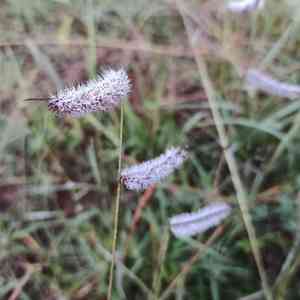
Hairy grama (Bouteloua hirsuta)
Also known as: Hairy Grama, Black Grama
Hairy vetch (Vicia villosa) is a versatile plant that provides excellent nutrition for livestock and serves as a habitat for wildlife. It is also known to attract pollinators, making it a popular choice for landscaping and gardens. The name "Vicia villosa" is derived from the Latin word "villosa," meaning "hairy," which refers to its characteristic hairy appearance.
In This Article
Attributes of Hairy grama
Lifespan
Perennial
Plant Type
Herb
Plant Height
15 cm to 76 cm
Spread
30 cm
Leaf Color
Green
Flower Size
Not applicable, flower spikes are thin and elongated rather than round
Flower Color
Yellow Green Brown
Images of Hairy grama
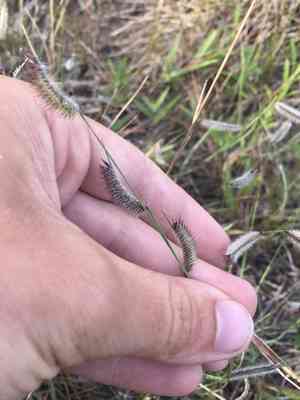
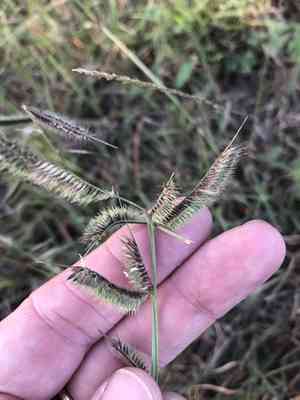
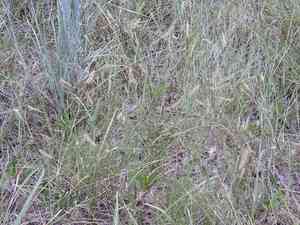
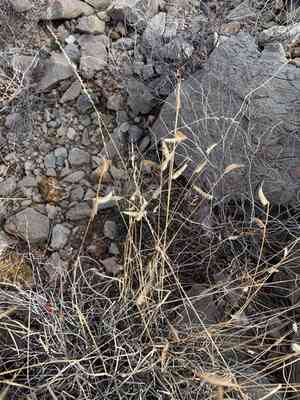
Quickly Identify Hairy grama
1
Hairy Grama can be identified by its tufted growth pattern, hairy leaf blades, and characteristic flag-like flowering spikes. The spikes are often curved, resembling a brush or comb.
Scientific Classification of Hairy grama
Phylum
Vascular plants
Class
Monocotyledons
Order
Poales
Family
Grass
Genus
Grama grasses
Species
Hairy grama
Planting and Growing of Hairy grama
Care Difficulty
Easy
Watering Schedule
Every 2 days
Sunlight Requirements
Full sun
Sunshine Duration
6-10 hours
Ideal Temperature
68-77℉
Soil Type
Potting Mix, Peat Mix
Soil pH
6.5-8
Fertilizer Type
Balanced
Pruning Season
Spring, Summer
Pruning Area
Branches, Leaves
Pruning Frequency
2 times a year
Repotting Season
Spring
Pot Type
Plastic, Ceramic
 How to Water Hairy grama?
Bouteloua hirsuta prefers minimal watering, following the natural desert environment where it thrives. Ensure the soil is slightly moistened but never soggy. Use about 200 ml of water, allowing the soil to dry between waterings.
What are the symptoms of an underwatered Hairy grama?
›
What should I do if my Hairy grama is not getting enough water?
›
What are the symptoms of an overwatered Hairy grama?
›
How to save an overwatered Hairy grama?
›
 What Are the Sunlight Requirements for Hairy grama?
Ultimately, Bouteloua hirsuta thrives best in environments providing 6 to 8 hours of full or partial sun, ensuring sufficient photosynthetic activity and vitality, leading to robust growth and resistance to environmental stressors.
What is the best location for Bouteloua hirsuta?
›
How can you ensure Bouteloua hirsuta gets ideal sunlight?
›
What are the benefits of providing optimal light conditions for Bouteloua hirsuta?
›
 What Is the Ideal Temperature Range for Hairy grama?
The ideal temperature range for Bouteloua hirsuta is between 68°F to 77°F. This warm temperature range supports the plant's growth and overall health, promoting lush foliage and strong root development. Maintaining temperatures in this range ensures that the plant can photosynthesize efficiently and resist stress from external factors.
 What Soil is Best for Hairy grama?
Bouteloua hirsuta thrives in well-draining soil that prevents waterlogging. This type of soil allows air circulation to roots, encouraging healthy growth and preventing root rot. This plant prefers soil with moderate fertility, which supports its growth without excessive nutrients that can lead to weak, floppy stems. Bouteloua hirsuta can tolerate dry conditions but grows best in soil that maintains moderate moisture. This balance helps the plant establish a strong root system.
 How to Fertilize Hairy grama?
Bouteloua hirsuta, commonly known as hairy grama, requires light fertilization. Use a balanced liquid fertilizer diluted to half the recommended strength, applying approximately 1/4 cup per plant. Ensure an even distribution to avoid root burn.
 How to Prune Hairy grama?
Start by using sharp, clean tools to trim back any dead or damaged foliage near the base during early spring. This encourages new growth and prevents disease. During a second pruning in summer, focus on maintaining the plant's shape and removing any overgrown sections to allow better sunlight penetration. For more advanced pruning, you can selectively trim back the flowering stalks once they have bloomed and started to fade. This helps prevent the plant from self-seeding too extensively and keeps the clumps from spreading too rapidly in your garden.
More About Pruning Techniques→
 How to Propagate Hairy grama plant?
1
Begin by filling seed trays with a well-draining potting mix. Sow seeds evenly, covering them lightly with soil. Maintain consistent moisture and place the tray in a sunny, warm location to encourage germination.
2
Select a mature clump for division in early spring. Gently dig around the plant to lift the root ball. Use a sharp spade to divide the clump into smaller sections, ensuring each has a good root system.
3
Replant the divided clumps immediately in well-prepared soil. Space them adequately to allow for growth. Water thoroughly after planting to help the plant establish in its new location.
 How to Repot Hairy grama plant?
1
Bouteloua hirsuta shows signs of needing a repotting when its roots start to circle the bottom of the pot or grow out of the drainage holes. Spring is an ideal time as the plant is entering its growing phase, allowing it to establish nicely in fresh soil.
2
Select a pot that's one size larger than the current one, with ample drainage holes to prevent waterlogging. This ensures the roots have enough room to grow while protecting the plant from potential root rot.
3
Opt for well-draining sandy loam soil. This type of soil retains enough moisture for the plant's needs while allowing excess water to escape, preventing soggy conditions that can harm Bouteloua hirsuta.



