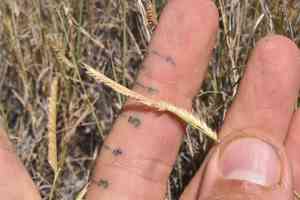
Gypsum grama (Bouteloua breviseta)
Also known as: Shortawn Grama, Ratama
Bouteloua breviseta, a perennial grass, can occasionally have rhizomes. It features sturdy stems that can reach heights of up to 40 centimeters. The leaf blades are typically only a few centimeters in length. Its inflorescence measures between 2 and 4 centimeters and may include branches. The grass primarily reproduces through budding, though it can also reproduce by seed.
In This Article
Attributes of Gypsum grama
Lifespan
Perennial
Plant Type
Grass
Plant Height
30-60 cm
Spread
30-45 cm
Leaf Color
Bluish-green
Flower Size
N/A
Flower Color
Pale to light brown
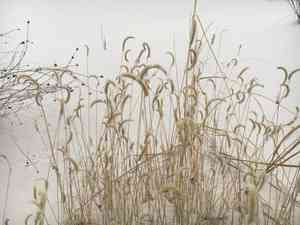
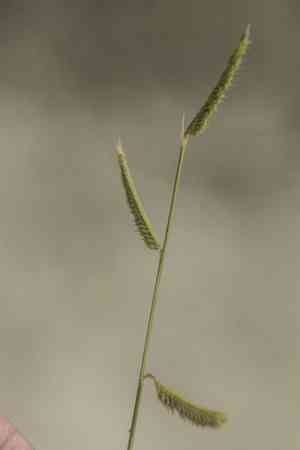
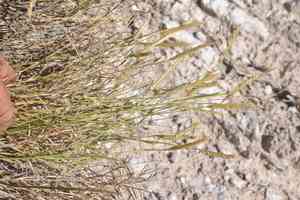
Images of Gypsum grama
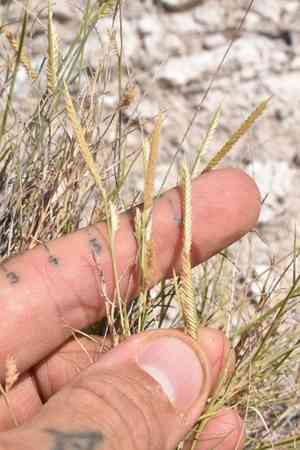
Quickly Identify Gypsum grama
1
Bouteloua breviseta can be identified by its narrow, broom-like seed heads that protrude at an angle from the stem, its short awns, and its finely textured leaves that are typically bluish-green. The grass grows in clumps and has a fine appearance overall.
Scientific Classification of Gypsum grama
Phylum
Vascular plants
Class
Monocotyledons
Order
Poales
Family
Grass
Genus
Grama grasses
Species
Gypsum grama
Planting and Growing of Gypsum grama
Care Difficulty
Easy
Watering Schedule
Every 2 days
Sunlight Requirements
Full sun
Sunshine Duration
6-8 hours
Ideal Temperature
68-77℉
Soil Type
Potting Mix, Peat Mix
Soil pH
6.5-7.5
Fertilizer Type
Balanced
Pruning Season
Spring, Summer
Pruning Area
Branches, Leaves
Pruning Frequency
2 times a year
Repotting Season
Spring
Pot Type
Plastic, Ceramic
 How to Water Gypsum grama?
The ideal watering amount for Bouteloua breviseta is about 250 ml per session. This plant thrives when the soil is allowed to dry out slightly between waterings. It's important to water deeply, so the root zone gets adequately hydrated, but avoid waterlogging, which might damage the plant.
What are the symptoms of an underwatered Gypsum grama?
›
What should I do if my Gypsum grama is not getting enough water?
›
What are the symptoms of an overwatered Gypsum grama?
›
How to save an overwatered Gypsum grama?
›
 What Are the Sunlight Requirements for Gypsum grama?
Bouteloua breviseta flourishes under full to partial sun. The ideal light condition implies exposure to direct sunlight for at least six hours. This range supports energy acquisition for photosynthesis, boosting growth, vitality, and stress resistance.
Ideal Amount of Sunlight
›
Solutions to Attain Optimal Sunlight
›
Benefits of Proper Sunlight Exposure
›
 What Is the Ideal Temperature Range for Gypsum grama?
Bouteloua breviseta thrives best in temperatures ranging between 68°F and 77°F. This range supports optimal photosynthesis and growth, ensuring the grass is healthy and robust. Staying within these temperatures helps avoid stress that can lead to stunted growth or disease susceptibility. Adjusting your greenhouse or outdoor conditions within this range is crucial for this species' success.
 What Soil is Best for Gypsum grama?
Bouteloua breviseta thrives in well-draining soils, and it does not tolerate prolonged periods of wet conditions. This soil requirement helps prevent root rot and ensures optimal growth by maintaining an ideal moisture balance. This plant prefers soils with moderate nutrient levels. A balanced supply of nutrients ensures healthy growth and development of strong roots and foliage, crucial for its resilience in various environments. Good soil aeration is essential for Bouteloua breviseta as it allows efficient gas exchange, promoting healthy root function and facilitating nutrient uptake, ultimately contributing to robust plant growth.
 How to Fertilize Gypsum grama?
For Bouteloua breviseta, a light hand with fertilizer is advisable. Use a balanced liquid fertilizer diluted to half strength. Apply 10 milliliters per square meter to promote healthy growth without risking nutrient burn, ensuring the soil retains its natural balance.
 How to Prune Gypsum grama?
First, carefully inspect the plant for any dead or diseased stems. These should be removed at the base to encourage healthy growth. Trim back any overgrown sections to maintain a balanced and attractive shape. Aim for a uniform height, cutting just above a leaf node to stimulate new growth. If the grass has become unruly, shape it by trimming the edges. Focus on maintaining symmetry and encourage lateral growth to fill in sparse areas.
 How to Propagate Gypsum grama plant?
1
Gather mature seeds from the Bouteloua breviseta in the autumn when seed heads have dried. Store them in a cool, dry place until you are ready to plant in spring.
2
Prepare a soil mix that is well-draining. A combination of potting soil and sand or perlite can provide the necessary drainage to prevent root rot.
3
For division propagation, carefully dig up the mature plant and separate it into smaller sections, ensuring that each section has ample roots attached.
 How to Repot Gypsum grama plant?
1
Bouteloua breviseta signals the need for repotting when roots start to emerge through drainage holes, or growth noticeably slows. The best time is during active growth seasons, like spring or summer, to minimize stress.
2
Select a pot that is one size larger and offers good drainage options. A well-chosen pot prevents root rot and supports steady growth, allowing the plant's natural beauty to flourish without overcrowding.
3
Opt for a sandy loam mix that ensures excellent drainage while retaining enough moisture. This soil type mimics the plant’s native habitat and encourages healthy root development, keeping your plant robust.



