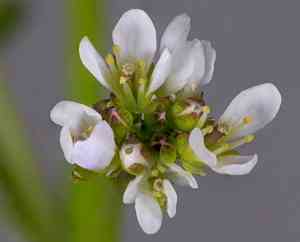
Beautiful rockcress (Boechera pulchra)
Also known as: None
Beautiful rockcress is a wildflower primarily located in the Mojave Desert and some nearby arid regions. This plant supports local pollinators and wildlife. You can see it in full bloom during the spring and summer at sites like Joshua Tree National Park and along trails such as the Panorama Trail.
In This Article
Attributes of Beautiful rockcress
Lifespan
Perennial
Plant Type
Herb
Plant Height
15-45 cm
Spread
15-30 cm
Leaf Color
Green with possible hints of gray or white due to hairiness
Flower Size
0.5-1 cm
Flower Color
White to lavender
Images of Beautiful rockcress
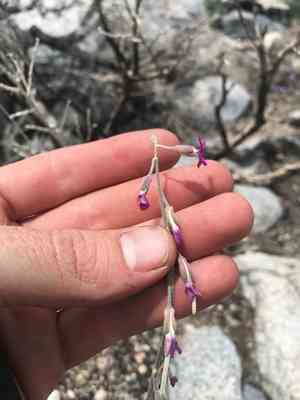
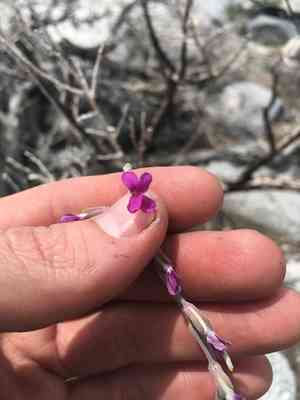
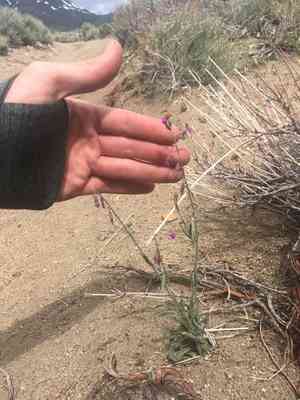
Quickly Identify Beautiful rockcress
1
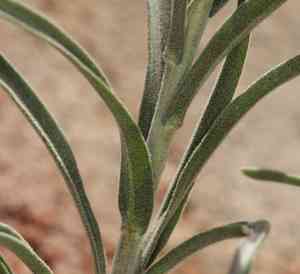
This plant can be identified by its rosette of basal leaves, which are typically hairy and have an oval shape. The flowering stems are erect and can hold clusters of small, four-petaled flowers that can vary in color from white to lavender.
Scientific Classification of Beautiful rockcress
Phylum
Vascular plants
Class
Dicotyledons
Order
Brassicales
Family
Cruciferae
Genus
rockcress
Species
Beautiful rockcress
Planting and Growing of Beautiful rockcress
Care Difficulty
Moderate
Watering Schedule
Every 4 days
Sunlight Requirements
Full sun
Sunshine Duration
4-6 hours
Ideal Temperature
60-75℉
Soil Type
Potting Mix, Peat Mix
Soil pH
6.5-7.5
Fertilizer Type
Balanced
Pruning Season
Spring, Summer
Pruning Area
Leaves, Branches
Pruning Frequency
2 times a year
Repotting Season
Spring
Pot Type
Plastic, Ceramic
 How to Water Beautiful rockcress?
Boechera pulchra thrives on watering that mimics its natural habitat—occasional but adequate. Provide about 250ml each time, ensuring the water reaches the root zone but does not lead to standing water. The goal is to maintain consistent soil moisture without waterlogging.
What are the symptoms of an underwatered Beautiful rockcress?
›
What should I do if my Beautiful rockcress is not getting enough water?
›
What are the symptoms of an overwatered Beautiful rockcress?
›
How to save an overwatered Beautiful rockcress?
›
 What Are the Sunlight Requirements for Beautiful rockcress?
Boechera pulchra should ideally experience full sunlight, ensuring enhanced leaf color, robust growth, and prolific flowering. This light intensity mimics its natural environment, promoting overall plant health.
What is the best lighting for Boechera pulchra?
›
How can you achieve ideal lighting for Boechera pulchra?
›
What are the benefits of ideal lighting for Boechera pulchra?
›
 What Is the Ideal Temperature Range for Beautiful rockcress?
The ideal temperature range for Boechera pulchra falls between 60°F and 75°F. Within this range, the plant can carry out essential physiological processes such as photosynthesis and respiration optimally. Keeping the plant within these temperatures ensures healthy growth and vibrant foliage.
 What Soil is Best for Beautiful rockcress?
Boechera pulchra thrives in well-drained soil, which prevents root rot and ensures healthy plant growth. Ensuring adequate drainage allows soil aeration and optimizes nutrient absorption by the roots. Rich soil ensures that Boechera pulchra receives ample nutrients for its development. Organic matter or compost added to the soil can greatly enhance its nutrient profile, facilitating lush foliage and vibrant blooms. While drainage is critical, retaining some moisture is also essential to prevent stress during dry spells. Sandy loam provides an excellent balance, holding sufficient water while allowing excess to drain away.
 How to Fertilize Beautiful rockcress?
For Boechera pulchra, it's essential to apply a balanced fertilizer with a ratio of 10-10-10 NPK. Use approximately 1/4 cup per plant for solid fertilizers and mix liquid fertilizers at half the recommended strength.
 How to Prune Beautiful rockcress?
Begin by identifying any dead or diseased stems. Remove these first, cutting them down to healthy growth or at the base. Next, thin out crowded areas by selectively removing some branches to improve air circulation. Finally, trim back any excessively long branches to maintain the desired shape, making cuts just above a node or leaf bud to encourage healthy regrowth. The best time to make your cuts is early in the morning when the plant is still retaining its moisture. Avoid cutting late in the day, as this can lead to dehydration of the newly exposed cuts, making the plant more susceptible to stress.
More About Pruning Techniques→
 How to Propagate Beautiful rockcress plant?
1
Begin with collecting mature pods from the plant. After collecting, allow the seeds to dry for a few days in a warm, dry location. Gently break open the seed pods and store the seeds in a cool, dry place until ready for sowing.
2
Fill a seed tray with well-drained seed starting mix. Sprinkle the seeds on top of the soil and lightly cover them with a thin layer of the medium. Sunlight is essential, so place trays in a well-lit area.
3
Select healthy, non-flowering stems from the parent plant. Cut 4-6 inch sections at a node using clean shears and remove the lower leaves. Dip the cut end in rooting hormone to expedite root development.
 How to Repot Beautiful rockcress plant?
1
You should consider repotting Boechera pulchra when you notice rootbound conditions like roots curling at the base or sprouting through drainage holes. It's crucial to choose the timing during Spring or Autumn as the plant is actively growing and can recover more swiftly from the repotting stress.
2
Select a pot that is 1-2 inches larger in diameter than the current one. Make sure it has sufficient drainage holes to prevent waterlogging, which can cause root rot. Using the right size helps in avoiding excessive moisture retention and provides adequate room for growth.
3
A sandy topsoil enriched with a well-draining cactus or succulent mix works best. This composition helps prevent water retention, ensuring the roots have enough air, stimulate healthy growth, and avoid issues like root rot.



