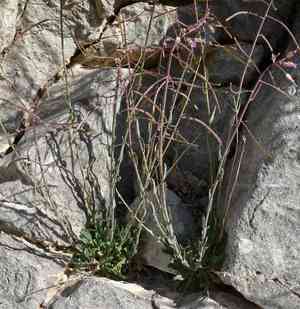
Perennial rockcress (Boechera perennans)
Also known as: rockcress
Perennial rockcress is a hardy perennial herb distinguished by its tight clusters of small, pale flowers that sit atop thin stems. These flowers contrast with the plant's dense, basal rosette of narrow, hairy leaves. Typically found in rocky or sandy areas, perennial rockcress has developed a deep taproot and drought-resistant leaves, allowing it to thrive in challenging, low-nutrient environments. This resilience makes it well-suited to alpine and subalpine regions, as well as rock gardens and crevices.
In This Article
Attributes of Perennial rockcress
Lifespan
Perennial
Plant Type
Herb
Plant Height
30-60 cm
Spread
10-20 cm
Leaf Color
Green
Flower Size
0.5-1 cm
Flower Color
White to lavender
Images of Perennial rockcress
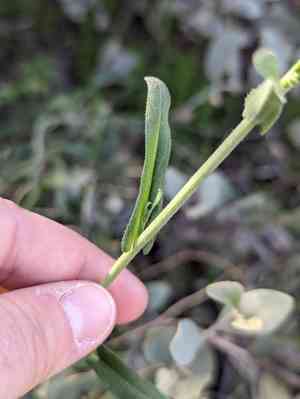
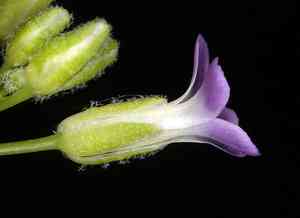
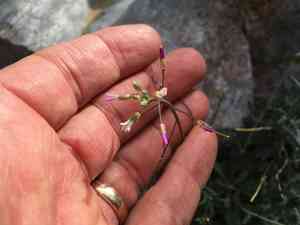
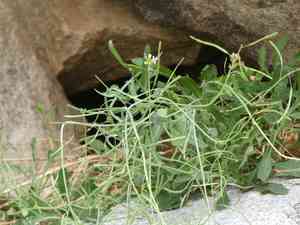
Quickly Identify Perennial rockcress
1
Boechera perennans can be identified by its basal rosette of leaves and slender, erect stem that bears small, white to lavender flowers. The leaves are narrow, lance-shaped, and covered in fine hairs.
Scientific Classification of Perennial rockcress
Phylum
Vascular plants
Class
Dicotyledons
Order
Brassicales
Family
Cruciferae
Genus
rockcress
Species
Perennial rockcress
Planting and Growing of Perennial rockcress
Care Difficulty
Moderate
Watering Schedule
Every 2 days
Sunlight Requirements
Full sun
Sunshine Duration
4-6 hours
Ideal Temperature
60-75℉
Soil Type
Potting Mix, Peat Mix
Soil pH
6.5-7.5
Fertilizer Type
Balanced
Pruning Season
Spring, Summer
Pruning Area
Branches, Leaves
Pruning Frequency
2 times a year
Repotting Season
Spring
Pot Type
Plastic, Ceramic
 How to Water Perennial rockcress?
The watering amount for Boechera perennans should be sufficient to moisten the soil thoroughly until water begins to drain from the bottom of the pot, about 200ml per session. This quantity ensures that the roots receive adequate moisture without leaving the soil waterlogged.
What are the symptoms of an underwatered Perennial rockcress?
›
What should I do if my Perennial rockcress is not getting enough water?
›
What are the symptoms of an overwatered Perennial rockcress?
›
How to save an overwatered Perennial rockcress?
›
 What Are the Sunlight Requirements for Perennial rockcress?
Boechera perennans thrives in full to partial sunlight, capturing the benefits of ample light for photosynthesis, leading to robust growth, flowering, and enhanced foliage health.
How can Boechera perennans achieve ideal lighting conditions?
›
What are the steps to provide ideal lighting for Boechera perennans?
›
What benefits does Boechera perennans gain from ideal lighting?
›
 What Is the Ideal Temperature Range for Perennial rockcress?
The ideal temperature range for growing Boechera perennans is between 60°F and 75°F. This range provides an optimal environment for the plant's photosynthesis and metabolic processes, ensuring healthy growth and development. Maintaining temperatures within this range helps to prevent stress and allows the plant to thrive, providing a conducive environment for root development and flowering.
 What Soil is Best for Perennial rockcress?
Boechera perennans thrives in soils that provide excellent drainage capabilities. This prevents waterlogging and root rot, ensuring the roots stay healthy and aerated. This plant flourishes in soil that contains moderate levels of nutrients, supporting strong growth while avoiding nutrient burn commonly found in overly fertile soils. A gravelly texture supports its growth, as it mimics its natural habitat, providing stability and aiding in effective drainage, thus helping ward off excess moisture issues.
 How to Fertilize Perennial rockcress?
Boechera perennans thrives with a balanced application of nutrients. For liquid fertilizers, use approximately half the recommended dose on the label to avoid over-fertilization. If using a slow-release type, follow instructions carefully to ensure no excess build-up of nutrients in the soil, as this plant prefers a modest nutrient supply.
 How to Prune Perennial rockcress?
Refrain from extensive pruning late in the season, especially in autumn. The plant needs time to prepare for dormancy, and heavy pruning could stimulate unwanted growth that weakens it over winter. Be cautious to not remove too much of the new growth. This part of the plant is crucial for future development. Over-pruning can stunt the plant's progress and reduce its vibrancy in the following season.
More About Pruning Techniques→
 How to Propagate Perennial rockcress plant?
1
Gather mature seeds from the plant in the autumn and store them in a cool, dry place until spring. Ensure seeds are clean and free from debris before storing.
2
During early summer, use pruning shears to take healthy cuttings from the tip of the plant. These should be around 3-4 inches long and free from diseases or pests.
3
Fill seed trays with a well-draining soil mix. Moisten the soil slightly but ensure it is not waterlogged, as this can hinder root development.
 How to Repot Perennial rockcress plant?
1
You know it's time to repot Boechera perennans when you notice roots emerging from the drainage holes, indicating the plant is root-bound. Alternatively, if its growth has stalled despite favorable conditions, this may signal the need for a larger pot. It's also essential to consider repotting if the soil becomes compacted or loses its nutrient richness.
2
Select a pot that is one size larger than the current one, with adequate drainage holes. Terra cotta pots are beneficial as they allow air to reach the roots and prevent overwatering. A slightly larger pot provides sufficient room for the roots to expand without overwhelming the plant, promoting healthy growth.
3
Opt for a well-draining potting mix specifically formulated for alpine or desert plants. This type of soil prevents waterlogging, which can lead to root rot in Boechera perennans. A light, aerated mix ensures that the roots receive adequate oxygen, contributing to robust plant health.
Learn More About Perennial rockcress Diseases
Bacterial Leaf Spot
Bacterial Soft Rot
Clubroot
Crown Gall
Cyst Nematode
Damping-off
Downy Mildew
Drought Stress
Fusarium Wilt
Gray Mold
Leaf Spot
Mosaic
Nutrient Deficiency
Nutrient Toxicity
Powdery Mildew
Root Rot
Root-knot Nematode
Rusts
Sooty Mold
Spider Mites
Temperature Stress
Thrips Damage
White Mold



