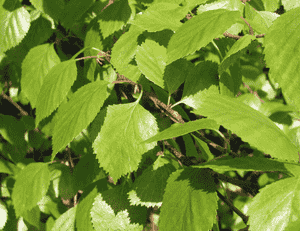
Downy birch(Betula pubescens)

Downy birch (Betula pubescens)

Also known as: Swamp birch, Moor birch

The Downy birch (Betula pubescens) is a deciduous tree native to Europe and Asia that serves multiple historical and practical purposes. The bark has been traditionally used to construct canoes and roofing materials due to its robustness and waterproof characteristics. Additionally, it has been utilized for making ropes and oil paper. Historically, in times of scarcity, the bark was even consumed as emergency food. Its versatility extends to modern uses, where it is employed in crafting baskets and extracting tar and oil for medicinal uses, such as treating skin ailments and reducing inflammation. The bark is also valued for its resin content, making it excellent for starting fires.

Attributes of Downy birch

Lifespan
Perennial
Plant Type
Tree
Plant Height
20 m
Spread
10 m
Leaf Color
Green Yellow
Flower Size
3 cm
Flower Color
Yellow Green Brown

ForwardPlant - Identify plants with a snap

Identify and diagnose plants, get toxicity alerts, and explore safety guides for all types of fungi.

Try for Free

Images of Downy birch

Downy birch(Betula pubescens)

Quickly Identify Downy birch

1
Identifiable by its white bark and downy twigs. Leaves are oval with a pointed tip and have a serrated edge. The catkins, which are the flowering spikes, appear in early spring before the leaves.

Scientific Classification of Downy birch

Phylum
Vascular plants
Class
Dicotyledons
Order
Fagales
Family
Birch
Genus
Betula
Species
Downy birch

Planting and Growing of Downy birch

Care Difficulty
Easy
Watering Schedule
Every 3 days
Sunlight Requirements
Full sun
Sunshine Duration
6-10 hours
Ideal Temperature
50-68℉
Soil Type
Potting Mix, Peat Mix
Soil pH
4.5-7
Fertilizer Type
Balanced
Pruning Season
Spring, Summer
Pruning Area
Branches, Leaves
Pruning Frequency
2 times a year
Repotting Season
Spring
Pot Type
Plastic, Ceramic

water icon How to Water Downy birch?

For Betula pubescens, it's crucial to ensure the soil is consistently moist but not waterlogged. Watering with approximately 500ml each time should provide adequate hydration, reaching deep into the root zone without causing saturation. Base the amount on the plant's size, soil type, and environmental conditions, adjusting as necessary.
What are the symptoms of an underwatered Downy birch?
What should I do if my Downy birch is not getting enough water?
What are the symptoms of an overwatered Downy birch?
How to save an overwatered Downy birch?
More About Watering Techniques

sunlight icon What Are the Sunlight Requirements for Downy birch?

Sunlight Requirements: Full sun, Partial sun
Duration of light: 6-8 hours daily
This plant benefits from full sun to partial sun exposure. Optimal light conditions provide energy for photosynthesis, which results in vigorous growth, vibrant leaves, and increased resistance to environmental stressors.
What is the optimal sunlight condition for Betula pubescens?
How can I ensure my Betula pubescens receives ideal sunlight?
What benefits come from optimal sunlight for Betula pubescens?
More About Sunlight Requirements Techniques

temperature icon What Is the Ideal Temperature Range for Downy birch?

Ideal Temperature: 50 ~ 68℉
Betula pubescens, commonly known as downy birch, thrives in a temperature range of 50°F to 68°F. This range is optimal for its growth and development, as it mimics the climates found in northern European habitats. Such conditions allow the tree to develop strong fibers and healthy foliage essential for photosynthesis and growth. Ensuring that the environment maintains this temperature range will support vigorous growth and resilience against diseases.

soil icon What Soil is Best for Downy birch?

Soil type: Loam, Acidic soil, Peat soil
Soil PH: 4.5 ~ 7
Betula pubescens thrives in soil that can retain moisture adequately without becoming waterlogged. This feature ensures that the tree has a consistent supply of water, vital for its growth especially in dry seasons. The tree prefers acidic soils with a pH range that optimally supports nutrient uptake. Such conditions promote healthy growth and vibrant foliage. A soil rich in organic content helps in providing the necessary nutrients while also supporting beneficial microorganisms that play a crucial role in plant health. More About Soil

fertilize icon How to Fertilize Downy birch?

Fertilizer type: Balanced
For Betula pubescens, it's essential to provide balanced nutrients. A typical recommendation is to use a 10-10-10 NPK liquid fertilizer diluted at a rate of 1 tablespoon per gallon of water. This ensures the tree gets an even supply of nitrogen, phosphorus, and potassium. More About Fertilizing Techniques

prune icon How to Prune Downy birch?

Pruning Time: Spring, Summer
Begin by identifying branches that are dead, diseased, or damaged. These are priorities for removal and improve the health of the entire tree by allowing better airflow and light penetration. Make cuts at a 45-degree angle, just above the branch collar without harming it. This encourages proper healing and reduces the risk of infection. Selectively thin the canopy to maintain a balanced shape. Focus on opening up the center of the tree, which helps to maintain a strong structure and supports its natural growth habit. More About Pruning Techniques

propagate icon How to Propagate Downy birch plant?

Propagate Time: Spring, Early spring
1
Collect seeds from mature Betula pubescens trees in late summer when seeds are ripe and dry. Store them in a cool, dry place until early spring.
2
Sow the seeds in a tray filled with moist potting soil. Cover them lightly with soil and place them in a well-lit area. Maintain moisture consistently.
3
In early spring, select healthy branches for cuttings. Use sharp pruning shears to cut 10-15cm long sections just below a node. Remove the lower leaves before planting.
More About Propagating Techniques

repot icon How to Repot Downy birch plant?

Repotting frequency: Every 2-3 years
1
Knowing when to repot Betula pubescens is crucial for its growth. Look for signs like roots growing out of the drainage holes, the soil drying out too quickly, or the tree becoming top-heavy and unstable. The ideal times are spring, summer, or early autumn when the tree is actively growing.
2
Select a pot that is about 2-3 inches larger in diameter than the current one. It should have sufficient drainage holes to prevent waterlogging, promoting healthy root growth. A slightly larger pot allows the roots to spread comfortably, supporting the tree's upright growth and stability.
3
Opt for a loamy, well-draining soil mix to ensure the roots have access to adequate aeration and moisture retention. This type of soil supports healthy root development and prevents water-related issues like root rot, providing the tree with an optimal environment for growth.

ForwardPlant - Identify plants with a snap

Find the best spots for them to optimize their health, simply using your phone.

Try for Free

