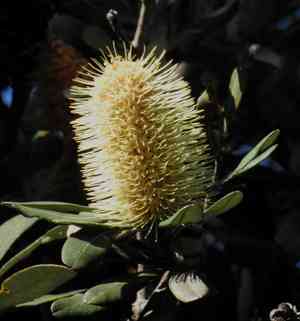
Coast banksia (Banksia integrifolia)
Also known as: Coastal banksia, Honeysuckle, Honeysuckle oak
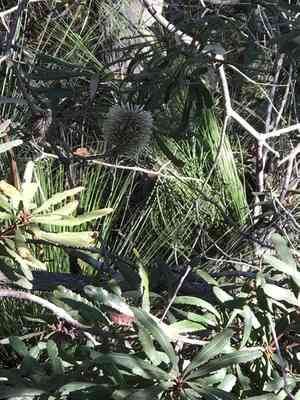
Coast banksia (Banksia integrifolia) is an evergreen shrub or tree that can reach heights of up to 25 meters. It features dark green leaves with silvery undersides and young leaves with serrated edges. The plant produces striking cylindrical yellow flower spikes, primarily from late summer to winter, which attract birds and insects.
This species is highly adaptable to coastal environments, being both salt and wind-tolerant. It flourishes in well-drained soils, including sandy and loamy types, and prefers full sun to partial shade. Although drought-tolerant once established, it benefits from regular watering during extended dry periods.
Ideal for coastal gardens and erosion control, Coast banksia is known for its resilience and soil-improving nitrogen-fixing capabilities.
Attributes of Coast banksia
Images of Coast banksia
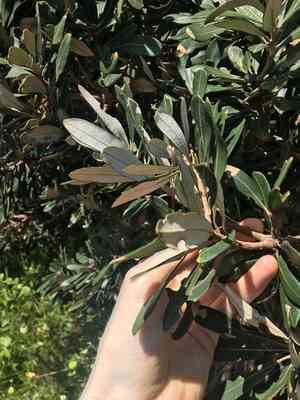
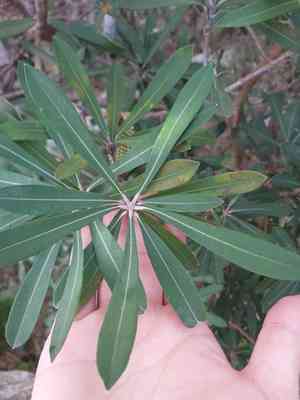
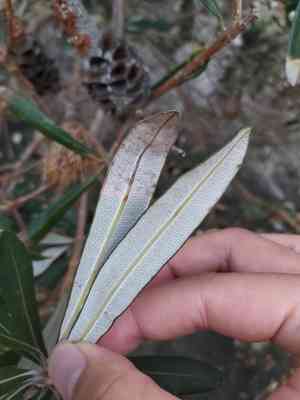
Quickly Identify Coast banksia
Scientific Classification of Coast banksia
Planting and Growing of Coast banksia
 How to Water Coast banksia?
 What Are the Sunlight Requirements for Coast banksia?
 What Is the Ideal Temperature Range for Coast banksia?
 What Soil is Best for Coast banksia?
 How to Fertilize Coast banksia?
 How to Prune Coast banksia?
 How to Propagate Coast banksia plant?
 How to Repot Coast banksia plant?
Toxicity of Coast banksia
Is Coast banksia toxic to cat?
The coast banksia represents a significant danger to the well-being of feline companions due to its considerable toxicity. If a cat inadvertently consumes any portion of this plant, it may suffer from severe distress. Typical scenarios in which a cat might be poisoned include accidentally ingesting leaves, flowers, or any other component of the coast banksia, as the entire species is toxic. After ingestion, cats may exhibit signs of physical unease, which can worsen quickly without timely veterinary care. It is essential for cat owners to remain vigilant regarding their pets in proximity to coast banksia and to obtain immediate medical assistance at a veterinary clinic in the event of poisoning.
Is Coast banksia toxic to dog?
The coast banksia presents a significant toxicity threat to dogs. If canines consume any portion of this plant, they risk poisoning, as the entire coast banksia is harmful. Dogs may inadvertently ingest parts of the coast banksia, potentially leading to serious health complications. Signs of poisoning in dogs may include, but are not limited to, vomiting, diarrhea, lethargy, abdominal discomfort, and more severe reactions such as tremors or seizures. It is essential for dog owners to vigilantly supervise their pets and restrict their access to this plant. Should a dog ingest any part of the coast banksia, seeking immediate veterinary assistance is vital for the pet's health.



