How to Prune Coast banksia?
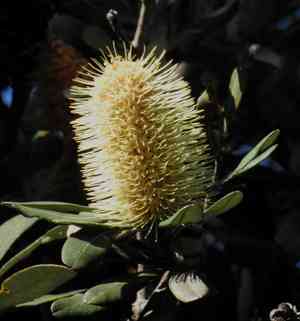
This perennial variety, recognized by its tough foliage and golden floral spikes, thrives with trimming to preserve its form and stimulate compact development. For coast banksia, the perfect time for pruning is in winter, after blooming, to optimize spring development. Eliminate any deceased or aged branches, and gently sculpt the crown. Deliberate thinning enhances air movement, thereby improving the plant's well-being. A measured strategy retains its inherent structure while increasing blossom yield for the subsequent period.
What Are the Benefits of Pruning Coast Banksia?
What Are the Benefits of Pruning Coast Banksia?
Trimming coast banksia promotes robust development and helps maintain its desired form. Strategic cuts can stimulate fresh, healthy branches and foliage, while trimming helps control the plant's size, ensuring a compact, aesthetically pleasing form.
What Is the Best Time for Pruning Coast Banksia?
What Is the Best Time for Pruning Coast Banksia?
Pruning coast banksia during late winter to early spring is advantageous as the plant is typically in a dormant phase, meaning less stress is inflicted upon it during cutting. This timing prevents the disruption of new growth cycles that start in spring and allows coast banksia to conserve energy for healthy development post-pruning. Additionally, removing branches before the onset of the growing season helps prevent infection, as open wounds are exposed for a shorter duration before healing. The lack of foliage at this time also provides a clearer view for more precise pruning. It ensures that coast banksia can invest its resources into strong, new growth when the growth cycle resumes, leading to more vigorous plants and abundant flowering or fruiting in the following seasons.
What Tools Do I Need to Prune Coast Banksia?
Bypass Pruners
Ideal for making clean cuts on smaller branches of coast banksia, which promotes healthy regrowth. These pruners can handle branches up to 3/4 inch thick and are precise for shaping the plant.
Loppers
These provide more leverage and are capable of cutting thicker branches, up to 1 1/2 inches in diameter. They're suitable for reaching into coast banksia's denser foliage without causing damage to the surrounding branches.
Pruning Saw
For the thicker, tougher branches of coast banksia, a pruning saw is necessary. It allows for cutting branches over 1 1/2 inches in diameter that the loppers cannot handle.
Hedge Shears
Useful for trimming and shaping coast banksia if it is being kept as a hedge. Hedge shears allow for the cutting of multiple small branches at once, creating a clean, even line.
How to Prune Coast Banksia
Sterilize
Before starting, ensure that all pruning tools are cleaned and sterilized to prevent the spread of disease to coast banksia.
Identify
Examine coast banksia thoroughly to identify the dead and diseased branches that need to be removed.
Cut Dead Branches
Using sharp bypass pruners, cut dead branches at a point just above the branch collar at a downward angle to promote healing and prevent water accumulation.
Cut Diseased Branches
Remove diseased branches by cutting them well back into healthy wood to ensure complete removal of diseased tissue. Disinfect pruning tools after each cut when dealing with diseased material.
Dispose
Carefully dispose of the removed dead and diseased material away from healthy coast banksia plants to minimize the risk of disease spread.
Common Pruning Mistakes with Coast Banksia
Over-pruning
Removing too much foliage at once can stress coast banksia, potentially leading to poor health or stunted growth. Prune no more than one-third of the foliage in a single season.
Improper cuts
Incorrect cutting techniques can cause damage to coast banksia. Angle cuts away from the base of the leaf or branch collar to avoid water accumulation and disease entry.
Disregarding plant shape
Indiscriminate cutting without considering the natural grow habits of coast banksia can result in an unnatural appearance and reduced flowering.
Using blunt tools
Blunt or dirty pruning tools can damage coast banksia branches, leaving ragged cuts that are more susceptible to pests and diseases.
Pruning diseased wood
By not properly discarding diseased clippings, the disease can spread throughout coast banksia. Always sterilize tools after each cut on diseased wood.
Common Pruning Tips for Coast Banksia
Selective pruning
Target specific areas for shaping or to remove dead or diseased wood. This will encourage coast banksia to develop a strong structure and enhance airflow.
Timing of cuts
While excluding the best season information, it is important to prune at the right time within the allowed period for optimal health of coast banksia.
Tool maintenance
Ensure all pruning tools are sharp and clean before starting the pruning process to make precise cuts that coast banksia can heal from quickly.
Cutting technique
Use the right angle and position when making cuts to promote healing and direct new growth in the desired direction on coast banksia.
Understanding growth patterns
Prune with an understanding of coast banksia's growth habit - whether the plant flowers on new or old wood - to avoid inadvertently pruning off flower buds.



