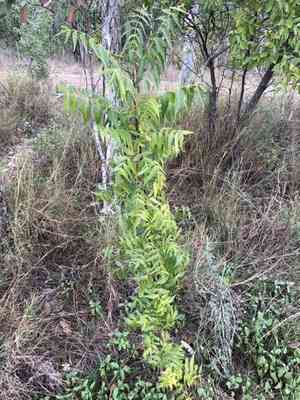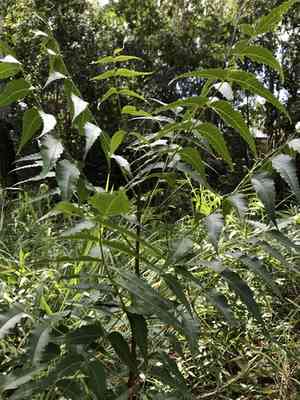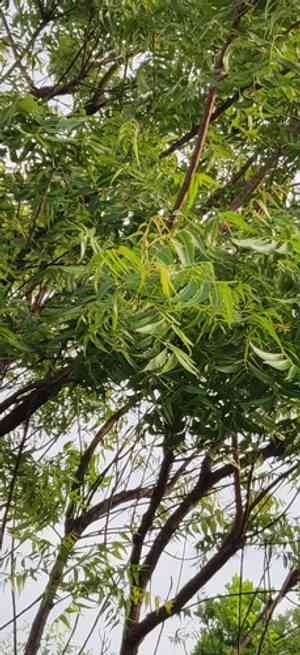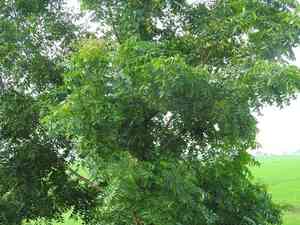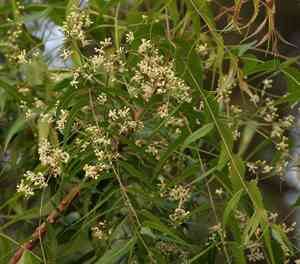
Neem tree(Azadirachta indica)

Neem tree (Azadirachta indica)

Also known as: Margosa tree, Nim, Nimbay

The neem tree (*Azadirachta indica*) is a flowering species akin to mahogany and bears a resemblance to the chinaberry tree. It has been integral to Indian culture for many centuries. Neem is commercially valuable for producing neem oil, as well as natural pesticides and various cosmetics.

Attributes of Neem tree

Lifespan
Perennial
Plant Type
Tree
Plant Height
15 m to 40 m
Spread
20 m to 25 m
Leaf Color
Green Blue
Flower Size
8 mm to 1.1 cm
Flower Color
White

ForwardPlant - Identify plants with a snap

Identify and diagnose plants, get toxicity alerts, and explore safety guides for all types of fungi.

Try for Free

Images of Neem tree

Neem tree(Azadirachta indica)

Quickly Identify Neem tree

1
The neem tree can be identified by its compound leaves, which consist of multiple leaflets that are green, serrated, and arranged in opposite pairs. It has small, white, fragrant flowers and produces a greenish-yellow fruit.

Scientific Classification of Neem tree

Phylum
Vascular plants
Class
Dicotyledons
Order
Sapindales
Family
Mahogany
Genus
Azadirachta
Species
Neem tree

Planting and Growing of Neem tree

Care Difficulty
Easy
Watering Schedule
Every 2 days
Sunlight Requirements
Full sun
Sunshine Duration
4-6 hours
Ideal Temperature
68-77℉
Soil Type
Potting Mix, Peat Mix
Soil pH
6.5-7.5
Fertilizer Type
Balanced
Pruning Season
Spring, Summer
Pruning Area
Branches, Leaves
Pruning Frequency
2 times a year
Repotting Season
Spring
Pot Type
Terracotta, Plastic

water icon How to Water Neem tree?

For Azadirachta indica, it's crucial to ensure the soil is thoroughly moistened but never waterlogged. A look at the soil can offer guidance; you want it to be damp to the touch but not so wet that it clumps together or feels soggy. Use approximately 500ml of water to achieve this balance.
What are the symptoms of an underwatered Neem tree?
What should I do if my Neem tree is not getting enough water?
What are the symptoms of an overwatered Neem tree?
How to save an overwatered Neem tree?
More About Watering Techniques

sunlight icon What Are the Sunlight Requirements for Neem tree?

Sunlight Requirements: Full sun, Partial sun
Duration of light: 6 to 8 hours
Azadirachta indica thrives in full sun to partial sun conditions, demanding 6 to 8 hours of light daily. Adequate sunlight ensures healthy growth, dense foliage, and effective production of its natural oils and compounds.
What is the ideal amount of sunlight for Azadirachta indica?
How can you achieve this ideal sunlight condition?
What are the benefits of providing ideal sunlight to Azadirachta indica?
More About Sunlight Requirements Techniques

temperature icon What Is the Ideal Temperature Range for Neem tree?

Ideal Temperature: 68 ~ 77℉
Azadirachta indica, commonly known as the neem tree, thrives best within a temperature range of 68°F to 77°F. This range ensures optimal growth and health for the plant, allowing it to photosynthesize efficiently and maintain robust cellular functions. Such temperatures are typical of warm, tropical climates where the neem tree naturally occurs.

soil icon What Soil is Best for Neem tree?

Soil type: Loam, Sandy loam
Soil PH: 6.5 ~ 7.5
For Azadirachta indica, well-draining soil is crucial to prevent root rot. This soil type facilitates optimal root aeration and reduces waterlogging, ensuring healthy growth. The plant thrives in nutrient-rich soil that supports its rapid growth. Such soil provides essential macro and micronutrients, boosting the plant's resistance to pests. Soil with moderate moisture retention is ideal for maintaining consistent hydration without suffocating the roots, promoting robust and steady growth. More About Soil

fertilize icon How to Fertilize Neem tree?

Fertilizer type: Balanced
For Azadirachta indica, commonly known as neem, a balanced approach to fertilization is key. Use a balanced 10-10-10 NPK fertilizer solution, with an amount of approximately 100 ml per plant for liquid fertilizers. For solid fertilizers, apply about 200 grams per planting area. This ensures the plant gets adequate nutrition without the risk of over-fertilization. More About Fertilizing Techniques

prune icon How to Prune Neem tree?

Pruning Time: Spring, Summer
Prune Azadirachta indica during late spring or early summer. This timing allows you to shape the tree more effectively without interfering with its growth cycle. Start by removing dead, diseased, or damaged branches. Follow by trimming any wayward branches to maintain desired shape. Ensure cuts are made at a 45-degree angle to prevent water accumulation. After pruning, apply a tree sealant to larger cuts to protect against pests and disease. Water the tree well and ensure it's in a nutrient-rich soil environment for optimal recovery. More About Pruning Techniques

propagate icon How to Propagate Neem tree plant?

Propagate Time: Late spring,Summer
1
Soak neem seeds in warm water for 24 hours to enhance germination rates. This process softens the hard seed coat and speeds up the germination process. Change the water if it becomes cold to maintain warmth.
2
Prepare a well-draining soil mix rich in organic matter. Neem seeds and cuttings require loose soil that retains moisture without becoming waterlogged. Incorporate sand or perlite for improved drainage.
3
For seeds, plant them at a depth of 1-2 cm in the prepared soil mix. For cuttings, insert them vertically ensuring at least one node is buried in the soil. Water lightly to establish contact with the soil.
More About Propagating Techniques

repot icon How to Repot Neem tree plant?

Repotting frequency: Every two years
1
Signs for repotting Azadirachta indica include tight root circles, poor water drainage, and reduced growth. Ideally, repot when the roots start poking out of drainage holes or when growth slows despite optimal care.
2
Select a pot 2-4 inches larger in diameter than the current one to allow for growth. Ensure it has drainage holes to prevent waterlogging, which mimics the plant's native conditions and supports healthy root development.
3
Choose well-draining, nutrient-rich soil. A mix containing sand, compost, and garden soil mimics the natural habitat of Azadirachta indica, ensuring sufficient aeration and nourishment for vigorous growth.

ForwardPlant - Identify plants with a snap

Find the best spots for them to optimize their health, simply using your phone.

Try for Free

Toxicity of Neem tree

Is Neem tree toxic to cat?

The neem tree poses a danger to cats and can lead to adverse effects if consumed. Cats may inadvertently ingest various parts of the neem tree, including its fruits or bark. Following ingestion, cats may show indications of physical discomfort, suggesting possible poisoning. Although exact toxic compounds are not specified, pet owners should be observant for any alterations in their cat’s health following exposure to the neem tree. If neem tree poisoning is suspected, it is crucial to act swiftly. Taking your cat to a veterinary clinic for immediate assessment and care is essential to safeguard their health and safety.

Is Neem tree toxic to dog?

The Neem tree is recognized as being harmful to dogs. When canines consume any parts of this plant, particularly the fruits or bark, whether by mistake or out of curiosity, they risk poisoning. Symptoms following the ingestion of neem tree can vary and indicate the presence of toxins. Although the exact toxic compounds are not specified, it is essential for dog owners to understand the potential dangers this plant poses. Should a dog ingest any part of the neem tree, it is vital to obtain prompt veterinary assistance to secure the best outcomes for the animal.

Identify toxic plants for your safety

Learn which plants are harmful to you and your pets, and make informed choices for a safer home!

Try for Free
WARNING
The judgment on toxicity and danger is for reference only. We DO NOT GUARANTEE any accuracy of such judgment. Therefore, you SHALL NOT rely on such judgment. It is IMPORTANT TO SEEK PROFESSIONAL ADVICE in advance when necessary.
More About Toxic Techniques