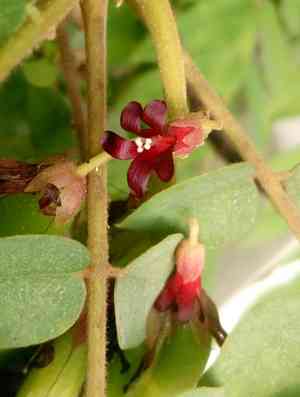
Bilimbi (Averrhoa bilimbi)
Also known as: Tree sorrel, Blimbing asam
Bilimbi (Averrhoa bilimbi) is a small tree that produces very sour fruit. Rich in vitamin C and vitamin A, bilimbi is commonly used in Indonesian cuisine to impart a sharp, tangy flavor similar to that of tomatoes.
In This Article
Attributes of Bilimbi
Lifespan
Perennial
Plant Type
Tree
Plant Height
4.5 m to 11 m
Spread
3 m to 3.5 m
Leaf Color
Green
Flower Size
2.5 cm
Flower Color
Purple Red
Images of Bilimbi
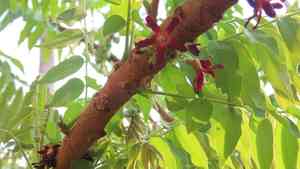
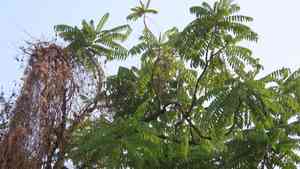
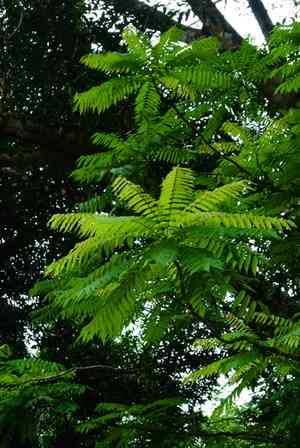
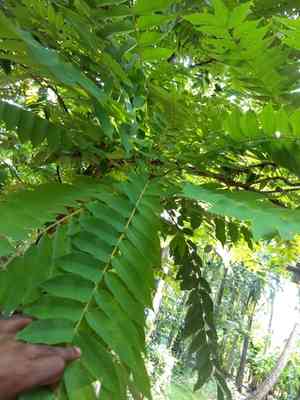
Quickly Identify Bilimbi
1
The tree is easily recognized by its compound leaves and clusters of small, star-shaped flowers. The fruit is elongated, green when unripe, and yellowish when mature.
Scientific Classification of Bilimbi
Phylum
Vascular plants
Class
Dicotyledons
Order
Oxalidales
Family
Wood sorrel
Genus
Averrhoa
Species
Bilimbi
Planting and Growing of Bilimbi
Care Difficulty
Easy
Watering Schedule
Every 2 days
Sunlight Requirements
Full sun
Sunshine Duration
4-8 hours
Ideal Temperature
68-86℉
Soil Type
Potting Mix, Peat Mix
Soil pH
5.5-7.5
Fertilizer Type
Balanced
Pruning Season
Spring, Summer
Pruning Area
Branches, Leaves
Pruning Frequency
2 times a year
Repotting Season
Spring
Pot Type
Plastic, Ceramic
 How to Water Bilimbi?
Averrhoa bilimbi, sometimes known as the bilimbi or cucumber tree, requires a balanced approach to watering. Each watering should thoroughly moisten the soil without leaving it saturated. A good rule of thumb is to water until about 500 ml of water has been evenly distributed, ensuring that the entire root zone receives moisture while avoiding pooling in the pot.
What are the symptoms of an underwatered Bilimbi?
›
What should I do if my Bilimbi is not getting enough water?
›
What are the symptoms of an overwatered Bilimbi?
›
How to save an overwatered Bilimbi?
›
 What Are the Sunlight Requirements for Bilimbi?
Averrhoa bilimbi thrives in full sun, preferably receiving 6 to 8 hours of direct sunlight daily. This exposure promotes vigorous growth, enhances photosynthesis, and maximizes fruit yield, contributing to a healthier plant.
More About Sunlight Requirements Techniques→
Optimal Sunlight Exposure
›
Preferred Plant Positioning
›
Benefits of Proper Lighting
›
 What Is the Ideal Temperature Range for Bilimbi?
For optimal growth, Averrhoa bilimbi thrives in warm and stable temperature conditions. Ideally, the plant should be kept between 68°F and 86°F. This range allows the plant to efficiently carry out photosynthesis and maintain robust foliage growth. Consistently warm temperatures encourage better flowering and fruit production, aligning with the plant's tropical origins.
 What Soil is Best for Bilimbi?
Averrhoa bilimbi thrives in nutrient-rich soil that provides essential minerals and components. This promotes robust growth and fruit production by ensuring the plant has all it needs to flourish. While retaining some moisture is essential, the soil should drain excess water effectively to prevent root rot. This kind of soil ensures the plant's roots do not stay waterlogged, safeguarding their health. Incorporating organic matter such as compost increases the soil's fertility, moisture retention, and aeration. All these factors contribute to healthier plant growth and more prolific fruiting.
 How to Fertilize Bilimbi?
For Averrhoa bilimbi, it's essential to apply an appropriate amount of fertilizer to ensure optimal growth. Use about 30 grams of a balanced 10-10-10 N-P-K (Nitrogen-Phosphorus-Potassium) fertilizer for mature trees. For younger plants, reduce this amount by half. Always dissolve the fertilizer in water for liquid application to prevent root burn.
 How to Prune Bilimbi?
Start by inspecting your Averrhoa bilimbi for any dead, diseased, or damaged branches. Cutting these parts first helps improve airflow and light penetration, fostering healthier growth. Make sure to cut back to a healthy part of the plant to encourage new growth. After removing the unhealthy branches, focus on shaping the tree. Averrhoa bilimbi can grow in a sprawling manner, so trim to maintain a balanced and desired shape. Remove crossing branches to prevent rubbing wounds, making sure the canopy is open enough for sunlight.
More About Pruning Techniques→
 How to Propagate Bilimbi plant?
1
Begin by soaking Averrhoa bilimbi seeds in warm water for 24 hours to soften the seed coat and encourage germination. Ensure to use fresh seeds as they have a higher germination rate compared to older ones.
2
Select a healthy stem from a mature plant, ideally 6 to 8 inches long. Ensure that it is disease-free and has some leaves. Make the cut just below a node to increase the chances of successful rooting.
3
Choose a rootstock of similar diameter to the scion for grafting. Make a clean cut on both the scion and the rootstock to fit them perfectly together. Secure them using grafting tape and keep them in a humid and shaded area until they unite.
 How to Repot Bilimbi plant?
1
Repot Averrhoa bilimbi when roots outgrow the current pot, peeking through drainage holes, or when soil becomes compacted. Early spring or summer is ideal, promoting root recovery in growing seasons.
2
Select a pot 2 inches larger in diameter, ensuring it has drainage holes. This accommodates root expansion and prevents waterlogging, aiding root health and plant growth effectively.
3
Opt for a well-draining loamy mix enriched with compost. This ensures adequate aeration and nutrient supply, preventing root rot and fostering robust plant development.
Learn More About Bilimbi Diseases
Anthracnose
Bacterial Leaf Spot
Bacterial Soft Rot
Bacterial Wilt
Crown Gall
Damping-off
Downy Mildew
Drought Stress
Fusarium Wilt
Gray Mold
Leaf Spot
Mosaic
Nutrient Deficiency
Nutrient Toxicity
Powdery Mildew
Root Rot
Root-knot Nematode
Sooty Mold
Spider Mites
Temperature Stress
Thrips Damage
White Mold



