How to Propagate Bilimbi?
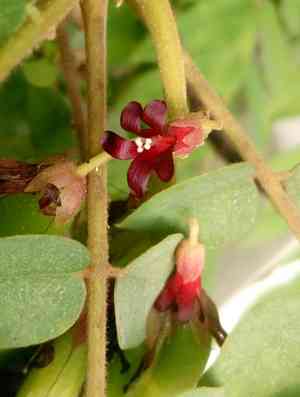
Bilimbi, a tropical fruit known for its acidic taste, frequently features in various recipes. Reproducing bilimbi is generally accomplished via grafting, a technique involving the insertion of plant tissues from one specimen into another, enabling their combined growth. Successful grafting necessitates choosing robust scions and making accurate incisions to ensure efficient vascular integration. Nurturing grafted bilimbi entails sustaining appropriate hydration and shielding the nascent plant from environmental pressures until the graft site has completely mended and solidified.
Optimal Time for Bilimbi Propagation
Propagation Method
Grafting
Propagation Period
Spring,Winter
Tools Required for Bilimbi Propagation
Grafting Knife
A precise instrument designed for clean and accurate incisions, vital for grafting bilimbi. It enables careful slicing of scion and rootstock, ensuring proper alignment of cambium layers, which is critical for successful grafting. The blade's sharpness and durability minimize tissue damage, promoting better healing and integration of grafted parts.
Pruning Shears
Utilized for preparing the rootstock prior to grafting bilimbi. These shears create smooth, clean cuts essential for healthy grafts. Precise cuts help prevent diseases and improve the likelihood of a successful graft union. Ergonomic shears can also reduce hand fatigue during preparation.
Grafting Tape or Strips
This material is essential for securely holding the grafted sections of bilimbi together. The tape or strip shields the grafting site from environmental elements and maintains the necessary humidity and temperature for healing. It is flexible, allowing for plant growth expansion, and moisture-resistant, preventing rot.
Rooting Hormone
While not always mandatory, applying a rooting hormone to the bilimbi scion can significantly boost grafting success by encouraging faster tissue repair and growth at the graft site. This compound accelerates the establishment of the grafted scion, leading to a stronger, healthier plant.
Disinfectant Solution
Used to sanitize grafting tools before and after each use to prevent disease spread in bilimbi. Keeping tools clean is crucial for avoiding infections at graft sites, which could jeopardize the grafting process and overall plant health.
How to Propagate Bilimbi?
Propagation Type
Moderately Difficult
Caring for Your Newly Propagated Bilimbi
Caring for Your Newly Propagated Bilimbi
Initially, maintain high humidity and adequate moisture for the newly grafted bilimbi to ensure successful establishment. Shield the plant from extreme weather and pests. As the graft heals and the plant develops, gradually expose it to more light and less controlled conditions. Fertilize with a balanced nutrient solution and prune appropriately to encourage a robust, productive structure. Monitor for signs of disease or stress and act promptly.
Common Errors to Avoid When Propagating Bilimbi
Using wrong propagation method
Attempting to propagate bilimbi from leaf cuttings can result in failure as it's typically propagated by seeds or stem cuttings. This error can waste time and effort without producing new plants.
Overwatering
Maintaining excessively moist conditions for bilimbi's cuttings or seeds can lead to rot. Bilimbi prefers well-drained soil, and overly wet conditions can hinder root development and increase disease susceptibility.
Ignoring wound healing
Planting fresh cuttings of bilimbi without allowing the wound to heal may result in infections. Cut surfaces should first form a callus to promote healthy rooting and prevent decay.
Planting at incorrect depth
Bilimbi's seeds or cuttings planted too deeply may not receive sufficient oxygen and can rot before establishing. Conversely, planting too shallowly can cause bilimbi's seeds or cuttings to dry out, disrupting root development.
Neglecting humidity
Underestimating the importance of humidity for bilimbi's cuttings can lead to desiccation. High humidity is necessary to support the development of new roots and shoots.
Tips For Propagating Bilimbi
Choosing healthy parent plant
Select a vigorous, disease-free bilimbi for cuttings or seeds to ensure strong genetic material. Robust parent plants are more likely to yield successful propagation.
Providing well draining soil
Use a well-draining soil mix for bilimbi's cuttings or seeds to prevent waterlogging. Good drainage promotes healthy root growth and reduces the risk of rot.
Permitting cut surface healing
Allow cuttings of bilimbi to dry and form a callus over the wound before planting. This healing process creates a barrier against pathogens and supports the formation of new roots.
Ensuring proper planting depth
Plant bilimbi's seeds or cuttings at the correct depth to balance oxygen availability and moisture retention. Follow guidelines on suitable depth for optimal root contact with soil.
Maintaining adequate humidity
Enclose bilimbi's cuttings in a humidity dome or use misting to keep the air moist. Humid conditions aid in preventing the cuttings from drying out and support new growth.



