
Sand dollar cactus (Astrophytum asterias)
Also known as: Sea urchin cactus
The sand dollar cactus, native to Mexico and the USA, is a sought-after ornamental plant that has been cultivated for nearly 200 years, with numerous hybrid varieties available. Unfortunately, it has become scarce in its natural habitat and is listed as 'vulnerable' on the IUCN Red List. This status is primarily due to habitat destruction, illegal collection for the ornamental plant trade, and overgrazing by livestock.
In This Article
Attributes of Sand dollar cactus
Lifespan
Perennial
Plant Type
Shrub
Plant Height
2.5 cm to 6 cm
Spread
5 cm to 15 cm
Leaf Color
N/A (Cacti have modified leaves)
Flower Size
2.5 cm to 5 cm
Flower Color
Yellow
Images of Sand dollar cactus
Quickly Identify Sand dollar cactus
1
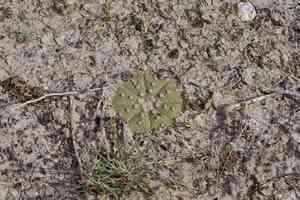
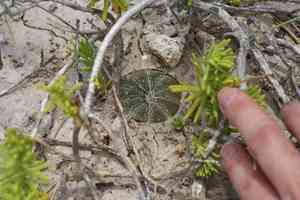
Identify Astrophytum asterias by its flattened, round body with 5-10 distinct ribs, each adorned with white to yellowish tufts or woolly spots. It generally lacks spines, giving it a smooth appearance. Its flowers are yellow with an orange center.
Scientific Classification of Sand dollar cactus
Phylum
Vascular plants
Class
Dicotyledons
Order
Caryophyllales
Family
Cactuses
Genus
Astrophytum
Species
Sand dollar cactus
Planting and Growing of Sand dollar cactus
Care Difficulty
Easy
Watering Schedule
Every 2 days
Sunlight Requirements
Full sun
Sunshine Duration
6-10 hours
Ideal Temperature
68-86℉
Soil Type
Potting Mix, Peat Mix
Soil pH
6.5-7.5
Fertilizer Type
Balanced
Pruning Season
Spring, Summer
Pruning Area
Branches, Leaves
Pruning Frequency
2 times a year
Repotting Season
Spring
Pot Type
Plastic, Ceramic
 How to Water Sand dollar cactus?
The Astrophytum asterias, also known as the star cactus, requires moderate watering. Ensure the soil is thoroughly moistened but avoid waterlogging. Each watering session should provide 50 ml of water, allowing the soil to dry completely in between. This approach mimics the plant's native arid habitat.
More About Watering Techniques→
What are the symptoms of an underwatered Sand dollar cactus?
›
What should I do if my Sand dollar cactus is not getting enough water?
›
What are the symptoms of an overwatered Sand dollar cactus?
›
How to save an overwatered Sand dollar cactus?
›
 What Are the Sunlight Requirements for Sand dollar cactus?
This cactus thrives best under full sun to partial sun. Proper light exposure helps it develop a compact, rounded form and enhances its blooming potential, improving overall aesthetic and health.
More About Sunlight Requirements Techniques→
How much sunlight does Astrophytum asterias need?
›
What are the signs of ideal sunlight for Astrophytum asterias?
›
How to ensure Astrophytum asterias receives optimal sunlight?
›
 What Is the Ideal Temperature Range for Sand dollar cactus?
The ideal temperature range for Astrophytum asterias is between 68°F and 86°F. This range provides the best conditions for the cactus to grow and thrive, allowing for optimal metabolic and photosynthetic processes. Within these temperatures, the plant can efficiently conduct these processes without undue stress, fostering healthy growth and flowering.
 What Soil is Best for Sand dollar cactus?
Astrophytum asterias thrives best in well-drained soils, as they mimic its natural habitat where rainwater quickly disperses. This requirement helps prevent root rot, allowing the cactus to have a healthy root system crucial for its growth. This cactus prefers soils that are low in organic nutrients. While it may seem counterintuitive, nutrient-poor soils prevent over-fertilization, which can cause excessive growth and stress the plant. Adding gravel or grit to the soil enhances aeration and drainage, preventing water from pooling around the plant's roots. This composition reduces the risk of fungal infections and promotes a robust structure.
More About Soil→
 How to Fertilize Sand dollar cactus?
For Astrophytum asterias, select a balanced cactus fertilizer that provides essential nutrients. Apply liquid fertilizer at half the recommended strength to avoid over-fertilization. Solid fertilizers should be used sparingly, ensuring not to disrupt the delicate root system of the cactus. Thoroughly mix solid fertilizers with soil on application.
 How to Prune Sand dollar cactus?
Begin by inspecting your Astrophytum asterias for any signs of damage or disease. Use sterilized pruning scissors to carefully remove any dead or yellowing growth at the base. This clean-up encourages healthier growth and prevents potential disease spread across the plant. Make sure to gently shear off any parts without causing tears in the healthy tissue. This annual trim during spring allows for increased airflow and light penetration, promoting a robust and thriving cactus.
 How to Propagate Sand dollar cactus plant?
1
Collect seeds from healthy Astrophytum asterias plants and allow them to dry. Use a sieve to clean the seeds, ensuring they are free from debris and ready for planting.
2
Prepare well-draining soil by mixing equal parts of cactus soil and perlite. This ensures the seeds have the right conditions to germinate and avoid root rot.
3
Sow seeds shallowly in the prepared trays, cover lightly with soil, and mist with water. Maintain a warm temperature and indirect sunlight to encourage germination.
 How to Repot Sand dollar cactus plant?
1
Astrophytum asterias shows signs that it's ready for repotting when you observe root-bound conditions, or when water takes longer to drain through the pot. Ideally, repot when the plant is dormant, as it reduces stress and allows the cactus to establish itself in the new soil before active growth resumes.
2
Opt for a pot that is slightly larger than the current one, with excellent drainage to prevent root rot. A pot that's too large can retain too much moisture, so a snug fit is better since it encourages healthy root growth without overwhelming the plant with moisture retention.
3
Choose a gritty, well-draining cactus mix that replicates the native environment of Astrophytum asterias. A high proportion of sand, perlite, or pumice ensures good aeration and drains rapidly, reducing the risk of overwatering, which is critical for the plant's health.



