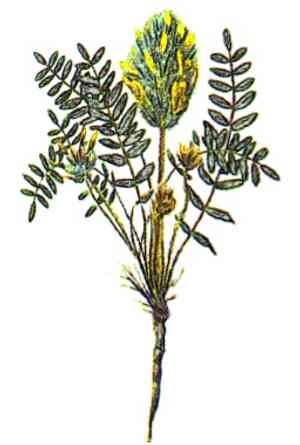
Basalt milkvetch (Astragalus filipes)
Also known as: Threadleaf Milkvetch
Basalt milkvetch is a tough perennial herb characterized by its slender stems that can grow up to 60 cm tall. It features compound leaves with several leaflets and produces vibrant yellow, pea-like flowers clustered densely in spikes. Adapted to dry environments, basalt milkvetch thrives in open, sunny locations. Its deep taproot not only secures the plant firmly but also helps it endure drought conditions. This extensive root system enables the plant to thrive in nutrient-poor soils, making it a resilient species with a striking floral display.
In This Article
Attributes of Basalt milkvetch
Lifespan
Perennial
Plant Type
Herb
Plant Height
30 cm to 1.02 m
Spread
20 to 30 cm
Leaf Color
Green
Flower Size
0.5 to 1 cm
Flower Color
Pale yellow to white
Images of Basalt milkvetch
Quickly Identify Basalt milkvetch
1
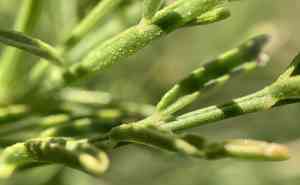
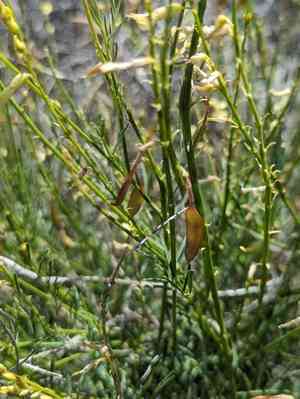
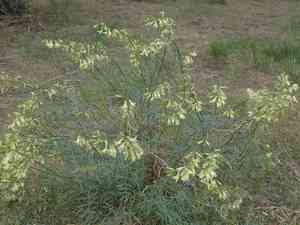
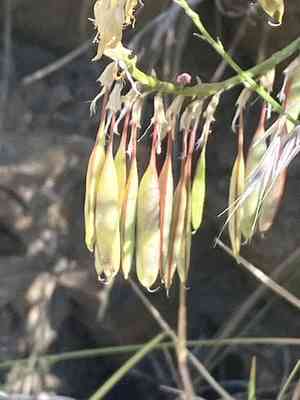
To identify Astragalus filipes, look for its thin, thread-like leaves and small clusters of pale yellow or white flowers. The stems can be either upright or sprawling, and the plant generally has a sparse, airy appearance.
Scientific Classification of Basalt milkvetch
Phylum
Vascular plants
Class
Dicotyledons
Order
Fabales
Family
Legume
Genus
Milkvetch
Species
Basalt milkvetch
Planting and Growing of Basalt milkvetch
Care Difficulty
Moderate
Watering Schedule
Every day
Sunlight Requirements
Full sun
Sunshine Duration
6-10 hours
Ideal Temperature
60-75℉
Soil Type
Potting Mix, Peat Mix
Soil pH
6.5-7.5
Fertilizer Type
Balanced
Pruning Season
Spring, Summer
Pruning Area
Branches, Leaves
Pruning Frequency
2 times a year
Repotting Season
Spring
Pot Type
Plastic, Ceramic
 How to Water Basalt milkvetch?
The amount of water Astragalus filipes requires is around 500 ml per watering session. The goal is to moisten the soil deeply but ensure good drainage, preventing water from stagnating around the roots. This plant prefers soil that dries out slightly between waterings.
What are the symptoms of an underwatered Basalt milkvetch?
›
What should I do if my Basalt milkvetch is not getting enough water?
›
What are the symptoms of an overwatered Basalt milkvetch?
›
How to save an overwatered Basalt milkvetch?
›
 What Are the Sunlight Requirements for Basalt milkvetch?
Astragalus filipes benefits from full sun, ideally receiving around 6-8 hours of sunlight per day, promoting strong growth, robust blooming, and a healthy appearance.
How much sunlight does Astragalus filipes ideally need?
›
What solutions exist to provide ideal light conditions?
›
What benefits arise from ideal lighting for Astragalus filipes?
›
 What Is the Ideal Temperature Range for Basalt milkvetch?
The ideal temperature range for Astragalus filipes is between 60°F and 75°F. This range ensures optimal metabolic processes, promoting healthy growth and development. Maintaining these conditions allows the plant to thrive without thermal stress.
 What Soil is Best for Basalt milkvetch?
Astragalus filipes thrives in well-drained soils. Ensuring good drainage prevents root rot and promotes healthy growth by allowing excess water to escape, thus preventing waterlogged conditions that are detrimental to its survival. A nutrient-rich soil serves as a reservoir of essential minerals and nutrients which are crucial for the robust growth of Astragalus filipes. It supports healthy foliage and flower production by providing necessary sustenance. While drainage is vital, the soil should also have the capacity to retain moderate moisture. This balanced environment helps in retaining sufficient water for the plant, reducing the need for frequent watering, and thus, conserving resources.
 How to Fertilize Basalt milkvetch?
Astragalus filipes typically requires moderate fertilization. A balanced liquid fertilizer can be used, with a concentration of no more than 1/4 teaspoon per gallon of water for monthly applications. Care must be taken not to over-fertilize, as this plant is adapted to poorer soils.
 How to Prune Basalt milkvetch?
Begin by examining the plant for any dead or unhealthy stems; they usually appear brown or black. Removing these helps prevent disease spread and encourages healthier growth. Once dead stems are removed, focus on trimming back overgrown areas. Cut stems back to just above a strong bud or to ground level, promoting a bushier, more balanced appearance. If the plant has become too tall or leggy, reduce its height by cutting back to just above a leaf node. This enhances sunlight exposure and improves structural integrity.
More About Pruning Techniques→
 How to Propagate Basalt milkvetch plant?
1
Prior to planting, soak Astragalus filipes seeds in water for 24 hours. This helps soften the seed coat, promoting faster and more uniform germination once planted in the soil mix.
2
Plant seeds in a seed tray, lightly covering them with a layer of soil. Ensure they are evenly spaced to allow adequate room for growth and root development in the initial stages.
3
After sowing, regularly mist the seeds to keep the soil consistently damp but not waterlogged. It's important to maintain high humidity to encourage successful germination.
 How to Repot Basalt milkvetch plant?
1
Repotting Astragalus filipes should occur when you observe roots growing out of the drainage holes or when the plant has outgrown its current pot. The best time to do this is during early spring or autumn, as the temperatures are moderate, reducing plant stress.
2
Choose a pot that is slightly larger than the current one, with drainage holes to prevent waterlogging which could cause root rot. Ceramic or clay pots are ideal as they allow airflow to the roots, maintaining a healthy root environment.
3
Use a well-drained sandy soil mix that mimics the plant's natural rocky habitat. This ensures proper drainage and prevents water retention, which is crucial for avoiding root rot and promoting healthy growth.
Toxicity
Ingestion
WARNING
The judgment on toxicity and danger is for reference only. We DO NOT GUARANTEE any accuracy of such judgment. Therefore, you SHALL NOT rely on such judgment. It is IMPORTANT TO SEEK PROFESSIONAL ADVICE in advance when necessary.



