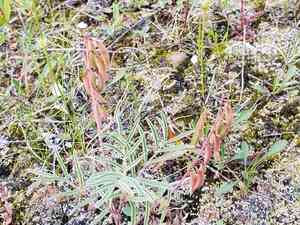
Indian milkvetch (Astragalus australis)
Also known as: Yellow Milk Vetch, Bering Milk Vetch
Indian Milkvetch (Astragalus australis) belongs to the legume family and displays milk-white flowers that appear on upland and coastal ridges. This plant was traditionally cultivated by the Cree and Stone indigenous peoples of North America. Its blossoms are known to attract butterflies.
In This Article
Attributes of Indian milkvetch
Lifespan
Perennial
Plant Type
Herb
Plant Height
10-30 cm
Spread
Not typically measured for this plant.
Leaf Color
Green
Flower Size
0.5-1 cm
Flower Color
White Purple
Images of Indian milkvetch
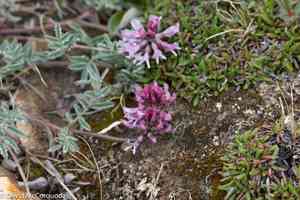
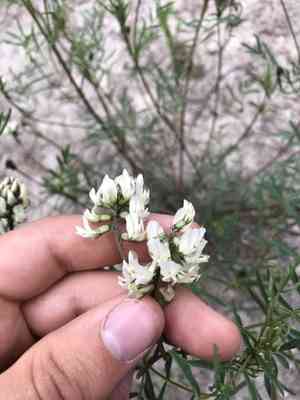
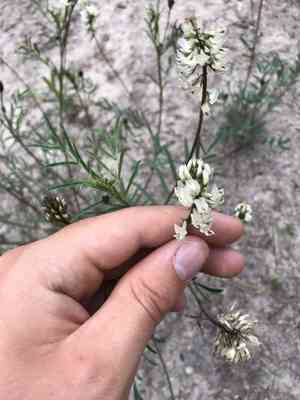
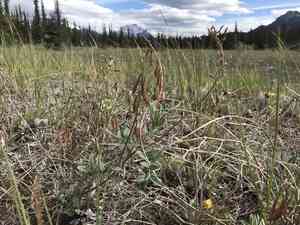
Quickly Identify Indian milkvetch
1
To identify Astragalus australis, look for pinnate leaves with multiple leaflets, bright yellow flowers, and dense racemes. The plant often has hairy stems and a sprawling growth habit.
Scientific Classification of Indian milkvetch
Phylum
Vascular plants
Class
Dicotyledons
Order
Fabales
Family
Legume
Genus
Milkvetch
Species
Indian milkvetch
Planting and Growing of Indian milkvetch
Care Difficulty
Easy
Watering Schedule
Every 2 days
Sunlight Requirements
Partial sun
Sunshine Duration
6-10 hours
Ideal Temperature
60-75℉
Soil Type
Potting Mix, Peat Mix
Soil pH
6.5-7.5
Fertilizer Type
Balanced
Pruning Season
Spring, Summer
Pruning Area
Branches, Leaves
Pruning Frequency
2 times a year
Repotting Season
Spring
Pot Type
Plastic, Ceramic
 How to Water Indian milkvetch?
Astragalus australis prefers deep, infrequent watering. Water until the soil is saturated but not waterlogged. This ensures the roots receive ample moisture without suffocating from excess water.
What are the symptoms of an underwatered Indian milkvetch?
›
What should I do if my Indian milkvetch is not getting enough water?
›
What are the symptoms of an overwatered Indian milkvetch?
›
How to save an overwatered Indian milkvetch?
›
 What Are the Sunlight Requirements for Indian milkvetch?
Astragalus australis thrives under partial to full sun exposure. This ideal range aids in strong plant growth, vibrant color, and robust flowering, maximizing its ornamental and health benefits.
What kind of sunlight does Astragalus australis prefer?
›
How can I achieve ideal lighting for Astragalus australis?
›
What benefits does Astragalus australis gain from ideal lighting?
›
 What Is the Ideal Temperature Range for Indian milkvetch?
The ideal temperature range for Astragalus australis is between 60°F to 75°F. This temperature range supports optimal growth, ensuring proper leaf development, flowering, and root establishment. Maintaining temperatures within this range helps prevent potential stress factors such as wilting or fungal diseases.
 What Soil is Best for Indian milkvetch?
Astragalus australis thrives in well-drained soil, which prevents water from stagnating around the roots, reducing the risk of rot. This soil quality is crucial for healthy root development and overall plant vitality. The plant prefers soil with moderate nutrient levels that support its growth without overwhelming it with too much fertility. Balanced nutrients ensure steady growth and enhance the plant's ability to cope with different environmental conditions. Soil that allows for good air circulation is essential for this plant. Sufficient aeration aids root respiration and nutrient uptake, which are vital for the plant's health and resilience against diseases.
 How to Fertilize Indian milkvetch?
For Astragalus australis, fertilization should be moderate. Use approximately half the recommended dosage of a balanced 10-10-10 liquid fertilizer during the growth period. Over-fertilization can lead to salt build-up and harm the plant's roots.
 How to Prune Indian milkvetch?
Before starting, gather sharp pruning shears, gloves, and disinfectant. Proper tools prevent tearing of plant tissues and limit disease spread. Disinfect tools before and after use to maintain plant health. Begin by identifying dead or damaged branches and remove them close to the base without cutting into the main stem. Thin out crowded areas to improve air circulation. Aim for a natural shape and consult plant-specific manuals for detailed pruning patterns.
More About Pruning Techniques→
 How to Propagate Indian milkvetch plant?
1
Begin by filling a seed tray with a well-draining potting mix. Sow the seeds on the surface and lightly cover them with soil. Ensure consistent moisture without waterlogging to promote germination.
2
Once seedlings emerge, ensure they receive adequate light and water. Keep the soil slightly damp and maintain optimal temperature. It's important to transplant them when they have several true leaves.
3
Carefully dig up the mature plant without disturbing the root system too much. Use a sharp knife to divide the root ball into smaller sections, ensuring each has sufficient roots and shoots for growth.
 How to Repot Indian milkvetch plant?
1
Repot Astragalus australis when you notice it becoming root-bound or when growth slows. Look for roots poking out the drainage holes or water pooling on the surface, indicating poor drainage due to root congestion.
2
Select a pot that is 1-2 inches larger in diameter than the current one. Ensure it has sufficient drainage holes to prevent waterlogging. A slightly larger pot promotes root expansion, supporting robust plant growth.
3
Choose a well-draining sandy soil mix that retains just enough moisture without becoming waterlogged. This type of soil replicates its natural habitat, allowing for optimal root aeration and preventing root rot.
Learn More About Indian milkvetch Diseases
Anthracnose
Bacterial Leaf Spot
Bacterial Wilt
Crown Gall
Cyst Nematode
Damping-off
Downy Mildew
Drought Stress
Fusarium Wilt
Gray Mold
Leaf Spot
Mosaic
Nutrient Deficiency
Nutrient Toxicity
Powdery Mildew
Root Rot
Root-knot Nematode
Rusts
Sooty Mold
Spider Mites
Temperature Stress
Thrips Damage
White Mold



