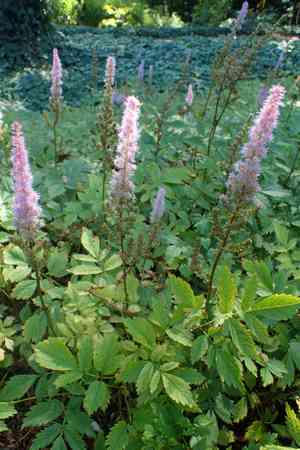
Chinese astilbe (Astilbe chinensis)
Also known as: Chinese astilbe, False Spirea
Astilbe, a captivating summer bloomer, enchants gardens with its delicate, feathery plumes that attract butterflies, creating a whimsical scene. Deer-resistant and thriving in shady, moist conditions, Astilbe is an excellent choice for garden borders or stunning cut flower arrangements. Seasoned gardeners prize this low-maintenance perennial for its vibrant late-season blossoms, making it a standout addition to any garden.
In This Article
Attributes of Chinese astilbe
Lifespan
Perennial
Plant Type
Herb
Plant Height
30-150 cm (1-5 feet)
Spread
30-60 cm (1-2 feet)
Leaf Color
Green
Flower Size
5-10 cm (2-4 inches)
Flower Color
Pink, Purple, White
Images of Chinese astilbe
Quickly Identify Chinese astilbe
1
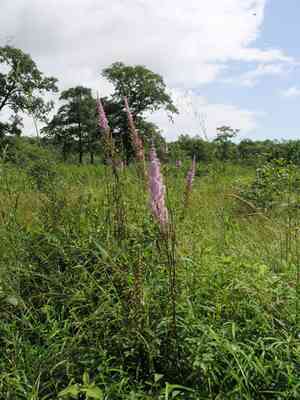
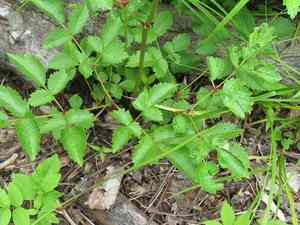
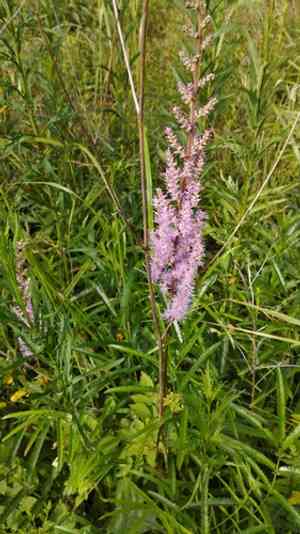
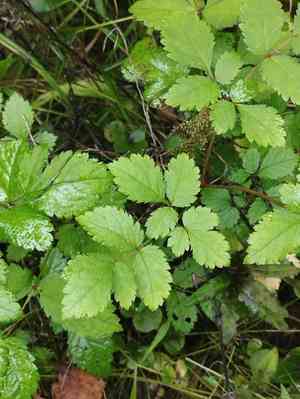
Chinese astilbe can be identified by its fern-like, divided leaves and dense, plume-like flower clusters that range in color from pink to purple. The plant thrives in partial to full shade and moist, well-drained soil.
Scientific Classification of Chinese astilbe
Phylum
Vascular plants
Class
Dicotyledons
Order
Saxifrages, stonecrops and allies
Family
Saxifrage
Genus
False goat's beards
Species
Chinese astilbe
Planting and Growing of Chinese astilbe
Care Difficulty
Easy
Watering Schedule
Every 8 days
Sunlight Requirements
Partial sun
Sunshine Duration
4-8 hours
Ideal Temperature
65-75℉
Soil Type
Potting Mix, Peat Mix
Soil pH
5.5-6.5
Fertilizer Type
Balanced
Pruning Season
Spring, Summer
Pruning Area
Branches, Leaves
Pruning Frequency
2 times a year
Repotting Season
Spring
Pot Type
Plastic, Ceramic
 How to Water Chinese astilbe?
Astilbe chinensis thrives in consistently moist soil, requiring approximately 500ml of water per session. This helps mimic their natural habitat, ensuring they do not dry out. Water should be applied slowly around the base until the soil is evenly moist but not waterlogged.
What are the symptoms of an underwatered Chinese astilbe?
›
What should I do if my Chinese astilbe is not getting enough water?
›
What are the symptoms of an overwatered Chinese astilbe?
›
How to save an overwatered Chinese astilbe?
›
 What Are the Sunlight Requirements for Chinese astilbe?
Astilbe chinensis thrives in low to moderate light environments, specifically partial sun to full shade, making it perfect for woodland gardens. Ideal light promotes healthy leaf color and profuse flowering, extending blooms over a longer period.
How much light is optimal for Astilbe chinensis?
›
What are practical solutions to achieve this lighting condition?
›
What are the benefits of achieving optimal lighting conditions?
›
 What Is the Ideal Temperature Range for Chinese astilbe?
The ideal temperature range for Astilbe chinensis is between 65°F and 75°F. These temperatures allow the plant to photosynthesize efficiently and maintain optimal growth and health. Temperatures within this range support blooming and vibrant foliage.
 What Soil is Best for Chinese astilbe?
Astilbe chinensis thrives in soil that retains moisture well, without becoming waterlogged. Loamy soil, with its ideal structure, strikes the perfect balance by holding enough water to keep roots hydrated yet draining excess moisture to prevent root rot. Rich, fertile soil is crucial for the vigorous growth of Astilbe chinensis. This plant benefits from soil with ample organic matter, which supplies essential nutrients for brighter, showier blooms and robust foliage. Astilbe chinensis prefers slightly acidic soil, in the range of pH 5.5 to 6.5. Such conditions enhance nutrient uptake, ensuring the plant has access to the fertilizers and organic matter it needs to thrive.
 How to Fertilize Chinese astilbe?
For Astilbe chinensis, apply a balanced fertilizer with an NPK ratio of 10-10-10 in moderate amounts. Use about one tablespoon per gallon of water for liquid fertilizers and around half of that measure for each square foot when applying solid fertilizer.
 How to Prune Chinese astilbe?
Always begin by using clean, sharp pruning shears to avoid damaging the plant. Dull or dirty tools can cause jagged cuts and spread disease, compromising your Astilbe's health and vitality. Look for brown, wilted, or diseased foliage. These should be the prime targets for your shears. Trimming spent blooms helps in redirecting the plant's energy to nourish developing buds and foliage. Cut back the stems at a 45-degree angle to encourage water runoff and reduce the risk of rot. Always make your cuts above a healthy pair of leaves or a branching node to ensure new growth emerges efficiently.
More About Pruning Techniques→
 How to Propagate Chinese astilbe plant?
1
Collect seeds from mature Astilbe chinensis flowers once they have dried out. Clean them by removing any pulp and allow them to dry completely before storing in a cool, dry place until you are ready to plant them.
2
Select healthy stems that are disease-free and cut 4-6 inches in length. Remove the lower leaves, and dip the cut end into rooting hormone. Plant the cuttings in a well-draining potting mix and keep them moist until roots develop.
3
Carefully dig around the base of the plant to expose the root system. Gently separate the roots into sections with a sharp knife, ensuring each section has both roots and shoots. Replant the divisions into prepared soil, water thoroughly, and maintain consistent moisture.
 How to Repot Chinese astilbe plant?
1
Astilbe chinensis shows signs of needing repotting when its roots begin to outgrow the current pot, poking out of the drainage holes. Also, when the plant appears to be drying too quickly after watering or exhibits stunted growth, these are signals it’s time to upgrade to a bigger pot.
2
Opt for a pot that is about two inches larger in diameter than the current one. Choose a container with good drainage to prevent water-logging, which can cause root rot. A slightly deeper pot than the previous one will allow roots to spread healthily, providing better support and nutrients for growth.
3
Astilbe chinensis thrives in a rich, well-draining soil mix. Use a soil that retains some moisture but isn’t soggy. A blend with organic matter like peat moss or compost can enhance nutrient content and improve aeration, preventing compaction and promoting healthy root development.
Learn More About Chinese astilbe Diseases
Anthracnose
Bacterial Leaf Spot
Bacterial Soft Rot
Damping-off
Downy Mildew
Drought Stress
Fusarium Wilt
Gray Mold
Leaf Spot
Mosaic
Nutrient Deficiency
Nutrient Toxicity
Powdery Mildew
Root Rot
Root-knot Nematode
Rusts
Sooty Mold
Spider Mites
Temperature Stress
Thrips Damage
White Mold
Chemical Injury



