How to Propagate Chinese astilbe?
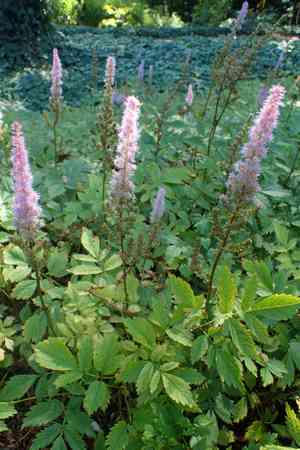
Astilbe chinensis flourishes when multiplied via separation, a technique perfect for preserving its strength and controlling its expansion within the garden. For propagation, gently separate the root ball in early spring or autumn, making sure each piece possesses multiple buds. Immediately replant the separated sections, ensuring adequate distance to foster air movement and lessen the chance of illness. Consistent irrigation following planting assists in the settling of new specimens, encouraging robust root formation and abundant leaves.
When Is the Optimal Time to Propagate Chinese Astilbe?
Propagation Method
Seeding
Propagation Period
Spring
What Equipment Is Used in Chinese Astilbe Propagation?
Seed tray
Seed trays are essential for initiating chinese astilbe seeds indoors. They provide uniform growing conditions and simplify seedling management. Seed trays aid in sustaining consistent soil moisture and temperature, both vital for chinese astilbe germination.
Sterile potting mix
Employing a sterile potting mix guarantees that chinese astilbe seeds are planted in a pathogen-free medium, fostering healthier development and minimizing the threat of soil-borne illnesses which can harm seedlings.
Fine mist spray bottle
A fine mist spray bottle is crucial for gently hydrating chinese astilbe seeds without disruption. It assists in keeping the soil uniformly moist, which is necessary for germination, without causing soil erosion or seed displacement.
Heat mat
A heat mat assists in delivering a consistent soil temperature, which is vital for chinese astilbe germination. By maintaining a steady temperature, the heat mat significantly boosts the germination rate and uniformity of seedling emergence.
Grow lights
Grow lights are important if propagating chinese astilbe indoors or in low light environments. They ensure seedlings receive adequate light, which is crucial for photosynthesis and robust growth post-germination.
How to Propagate Chinese Astilbe?
Propagation Type
Simple
How to Nurture Your Newly Propagated Chinese Astilbe?
How to Nurture Your Newly Propagated Chinese Astilbe?
Following propagation, continue to care for the young chinese astilbe plants by ensuring regular watering without waterlogging. Gradually introduce them to outdoor conditions over several days if garden planting is intended. Provide partial to full shade, as chinese astilbe prefers cooler temperatures and less intense sunlight. Once established, chinese astilbe can benefit from annual mulching and division every few years to maintain health and vigor.
Common Errors to Avoid When Propagating Chinese Astilbe
Insufficient humidity
During chinese astilbe propagation, failing to maintain adequate humidity can cause cuttings to dry out before rooting. This significantly lowers the chances of successful propagation, as cuttings require sufficient moisture to develop roots.
Overwatering
While high humidity is essential, excessive watering can lead to root rot and fungal diseases for chinese astilbe. A delicate balance must be maintained to ensure the soil remains moist but not saturated.
Using non-sterile tools
Employing non-sterile tools for cutting or handling chinese astilbe can introduce harmful pathogens that hinder or damage young plants. This error can cause infections detrimental to both new and established plants.
Ignoring leaf health during division
When dividing chinese astilbe, overlooking the health of leaves and focusing solely on the root can result in transplanting weak or diseased segments. This can lead to poor growth or failure to establish in new conditions.
Advice For Propagating Chinese Astilbe
Maintain optimal humidity
Using a humidity dome or frequently misting chinese astilbe cuttings will help maintain the necessary humidity levels without waterlogging the soil, which is crucial for successful root development.
Use sterile tools
Always propagate chinese astilbe with sterile tools to prevent disease transfer and ensure the health of plant divisions and cuttings.
Monitor water levels
Ensure the soil is consistently moist but not waterlogged to prevent root rot. Using well-draining soil can help manage moisture levels effectively for chinese astilbe.
Select healthy segments for division
When dividing chinese astilbe, choose vigorous, healthy sections with no signs of disease or weakness. This increases the likelihood of successful propagation and healthy future growth.



