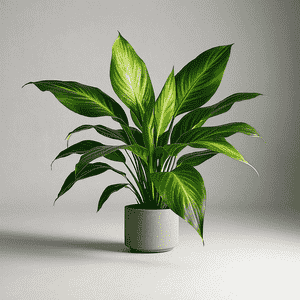
Cast-iron plant (Aspidistra elatior)
Also known as: Parlor palm, Cast Iron Plant
The Cast Iron Plant (Aspidistra elatior) is a hardy, flowering plant originating from Japan. It is well-known for its ability to endure neglect and is a popular choice in households. However, it can sometimes attract pests like fungus gnats, particularly when overwatered.
In This Article
Attributes of Cast-iron plant
Lifespan
Perennial
Plant Type
Herb
Plant Height
60 cm
Spread
60 cm
Leaf Color
Green White Variegated
Flower Size
2 cm to 3 cm
Flower Color
Cream Brown Purple
Images of Cast-iron plant
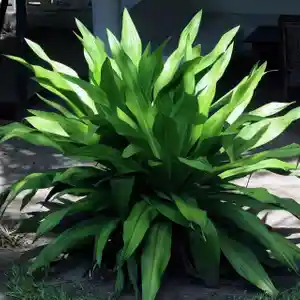
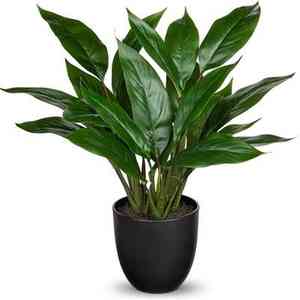
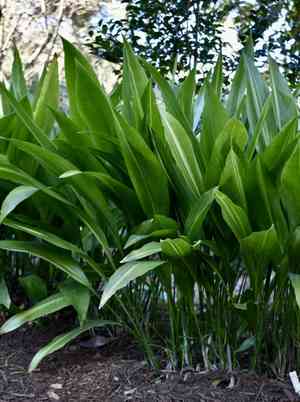
Quickly Identify Cast-iron plant
1
Large dark green leaves with strong parallel venation.
2
Basal rosette growth forming clumps up to 2 feet (60 cm) high.
3
Solitary bell-shaped flowers with purple to dark-purple perianth.
4
Rare single-seeded fleshy berry with glossy greenish to purplish color.
5
Rhizomes as true stems, subterranean, 0.2-0.4 inches (5-10 mm) thick.
Scientific Classification of Cast-iron plant
Phylum
Vascular plants
Class
Monocotyledons
Order
Asparagus and allies
Family
Asparagus
Genus
Aspidistra
Species
Cast-iron plant
Planting and Growing of Cast-iron plant
Care Difficulty
Easy
Watering Schedule
Every 2 days
Sunlight Requirements
Partial sun
Sunshine Duration
4-6 hours
Ideal Temperature
60-75℉
Soil Type
Potting Mix, Peat Mix
Soil pH
6.5-7.5
Fertilizer Type
Balanced
Pruning Season
Spring, Summer
Pruning Area
Branches, Leaves
Pruning Frequency
2 times a year
Repotting Season
Spring
Pot Type
Plastic, Ceramic
 How to Water Cast-iron plant?
The Aspidistra elatior requires careful watering; make sure the top few inches of soil are dry before thorough watering. Aim for about 500ml of water, enough to keep the soil moist but not waterlogged. Feel the soil to see if it's adequately moist but not oversaturated. Frequency and amount can vary based on environmental conditions, so adjust as necessary.
More About Watering Techniques→
What are the symptoms of an underwatered Cast-iron plant?
›
What should I do if my Cast-iron plant is not getting enough water?
›
What are the symptoms of an overwatered Cast-iron plant?
›
How to save an overwatered Cast-iron plant?
›
 What Are the Sunlight Requirements for Cast-iron plant?
Aspidistra elatior ideally enjoys lighting conditions ranging from partial sun to full shade. These conditions help the plant to maintain its natural beauty and healthy foliage.
More About Sunlight Requirements Techniques→
What is the ideal lighting for Aspidistra elatior?
›
How can you achieve this lighting condition indoors?
›
What benefits does ideal lighting bring to Aspidistra elatior?
›
 What Is the Ideal Temperature Range for Cast-iron plant?
The ideal temperature range for Aspidistra elatior, also known as the cast iron plant, is between 60°F and 75°F. This range closely emulates their natural habitat, which is usually temperate and humid. Ensuring temperatures within this range promotes optimal growth, vibrant foliage, and overall plant health. It is crucial to maintain stability in this temperature range to avoid stressing the plant, which could lead to decreased vigor and susceptibility to stressors.
 What Soil is Best for Cast-iron plant?
Aspidistra elatior thrives in soil that is rich in organic matter. This ensures that the plant has a constant supply of nutrients, which is crucial for its slow-growing nature. Adding compost or well-rotted manure can significantly improve soil quality, providing sustained nutrition and enhancing soil structure. Even though Cast-Iron Plants are resilient, they do not fare well in waterlogged soil. Ensuring the soil has good drainage helps prevent root rot and other moisture-related issues, allowing the plant to uptake nutrients effectively and fostering healthy growth. While drainage is essential, the soil should also retain enough moisture to prevent rapid drying out. A balanced loam ensures that the plant receives adequate hydration between watering sessions, supporting its evergreen foliage and robust health.
More About Soil→
 How to Fertilize Cast-iron plant?
When fertilizing Aspidistra elatior, use a balanced liquid fertilizer diluted to half strength. Generally, about 10 ml of liquid fertilizer mixed in 1 liter of water should suffice. For solid fertilizers, a small amount, around 10 grams per plant, should be used, ensuring the fertilizer doesn't touch the leaves directly.
More About Fertilizing Techniques→
 How to Prune Cast-iron plant?
Consider pruning in the early spring or late fall when the growth is slower, allowing the plant to recover better. To prevent the spread of disease, it's crucial to sterilize pruning tools before use with rubbing alcohol or a bleach solution. Aspidistra is a slow-growing plant, hence minimal pruning should be performed. Patience is key as the plant will recover and thrive with minimal interference.
More About Pruning Techniques→
 How to Propagate Cast-iron plant plant?
1
Start by watering the Aspidistra elatior thoroughly a day prior to propagation. This ensures the plant is well-hydrated, making it easier to handle and reducing stress during division. Carefully remove any dead or damaged leaves to maintain health.
2
Using a garden spade, gently lift the plant from its pot or from the garden bed. Carefully separate the root clump into sections, ensuring each division has a healthy root system and several leaves. Use a clean, sharp knife if necessary to make clean cuts.
3
Prepare pots with fresh potting soil or a new garden location. Plant each division at the same depth it was growing previously. Press down the soil gently to remove air pockets and water thoroughly to settle the soil around the roots.
 How to Repot Cast-iron plant plant?
1
Aspidistra elatior should be repotted when its roots start to peek through the drainage holes or when you notice a decline in growth. Another sign is if the plant becomes top-heavy, indicating it's outgrown its space. Typically, spring and summer are optimal seasons for repotting as the plant can recover quickly during these active growth periods.
2
Select a pot that's one or two sizes larger than the current one, ensuring it has drainage holes. A well-ventilated pot prevents overwatering, reducing the risk of root rot. Opt for a sturdy material that can support the weight of Aspidistra elatior's lush foliage.
3
Choose a well-draining potting mix, preferably one that includes perlite or coarse sand for aeration. This kind of soil will prevent water from stagnating, reducing the likelihood of root rot while providing the roots with a light, airy environment in which to expand.



