How Much Sunlight Do Cast-iron plant Need?
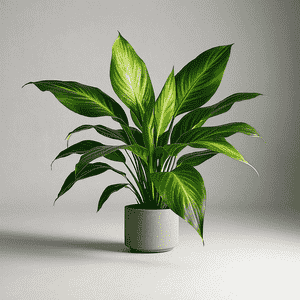
1
Aspidistra plants flourish in minimal light, making them ideal for poorly lit spaces or workplaces.
2
Exposure to direct sun can burn the foliage of an Aspidistra. Filtered light is most suitable.
3
Aspidistra can tolerate diverse light levels but prefer receiving under 3 hours of direct solar exposure each day.
Understanding Cast-iron plant's Light Requirements
Natural Habitat and Adaptations
The Cast-iron plant originates from the woodland floors of East Asia, specifically Japan and Taiwan. In its native environment, this plant is accustomed to filtered light passing through the overhead tree canopy. This setting has shaped the plant's capacity to thrive in dimly lit conditions. Its large, green leaves are efficient at absorbing whatever minimal light penetrates, making the Cast-iron plant remarkably robust even in low-light areas.
Why Low Light Works Best
The Cast-iron plant has evolved to be a robust and adaptable species. Unlike many plants that demand abundant sunlight, it is content with moderate illumination levels. Low light lessens the strain on the plant, as it imitates the diffused forest sunlight it is accustomed to. Insufficient light can still sustain healthy development, ensuring the plant remains an easy-care addition to your home or workplace.
Ideal Indoor Light Conditions for Cast-iron plants
Indirect vs. Direct Light
When cultivating a Cast-iron plant indoors, prioritize diffused light over intense, direct rays. Unfiltered sunlight can be excessively harsh and may scorch the leaves, causing them to brown. Indirect light, such as that from a north or east-facing window, offers a more temperate environment that mirrors the plant's natural habitat. If your plant begins to exhibit indications of excessive light exposure, such as faded foliage, it's best to relocate it to a shadier spot.
Best Locations in Your Home
The optimal placements for a Cast-iron plant in your residence include areas away from direct sunlight like hallways, bathrooms, and bedrooms. Rooms with filtered illumination or spots away from windows are perfect. Positioning the plant a few meters (feet) away from a south or west-facing window can provide adequate but not overpowering light. Remember, for this resilient plant, less light is often preferable.
Effects of Different Light Levels on Growth
Signs of Too Much Light
Exposure to excessive light can manifest in various ways. Look for scorched leaf tips and margins, yellowing foliage, or a generally washed-out appearance. If your Cast-iron plant displays these symptoms, it's an indication to move it to a more shaded location where the light is more dispersed.
Signs of Insufficient Light
While the Cast-iron plant tolerates low light, extremely dim environments can impede its growth. Indications of insufficient light include elongated stems as the plant reaches for a light source, smaller leaves, and a pale green hue. If you observe these issues, you might consider moving your plant to a slightly brighter area or supplementing with artificial illumination.
How to Adjust Light for a Cast-iron plant
Using Sheer Curtains or Blinds
Sheer curtains or window coverings can be an excellent means to regulate the light your Cast-iron plant receives. These materials filter out harsh direct sunlight and diffuse it, providing a softer light source reminiscent of the plant's natural surroundings. This simple adjustment can help prevent leaf burn and maintain vibrant foliage.
Moving the Plant to Different Locations
If your Cast-iron plant is experiencing either too much or too little light, do not hesitate to reposition it. Experiment with various spots to discover the perfect balance. Remember to monitor the plant's reaction over several weeks, as it may take some time for signs of stress to appear or improve after relocation.
Supplementing with Artificial Light
In particularly dark settings, artificial illumination can be an effective complement. LED grow lights designed to replicate natural sunlight perform well. Place the light about 1 meter (3 feet) above the plant and keep it on for approximately 12 hours daily to imitate natural light cycles. This can help your Cast-iron plant flourish even in rooms without windows.
Seasonal Light Considerations for Cast-iron plants
Winter Light Adjustments
During the colder months, natural light levels are typically reduced. Your Cast-iron plant might need to be placed nearer to windows to capture more of the limited illumination. Ensure it still avoids direct sunlight, which can be more intense due to the lower angle of the sun. Supplement with artificial light if necessary to support continuous growth.
Summer Light Adjustments
In summer, the sunlight can become more intense, and windows may receive stronger direct rays. Consider moving your Cast-iron plant slightly further from windows or utilizing blinds to diffuse the light. Observing the plant for indications of light stress and adjusting accordingly will help maintain its health throughout the sunnier months.



