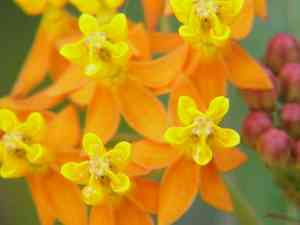
Whorled Milkweed (Asclepias verticillata)
Also known as: Eastern Whorled Milkweed
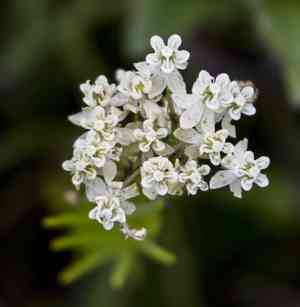
Whorled milkweed (Asclepias verticillata) is a perennial plant native to North America that plays a vital role in the lifecycle of monarch caterpillars. As a widely distributed milkweed species, it serves as an essential food source for monarch larvae, especially in the later part of the season. The name Asclepias verticillata is derived from Asclepius, the Greek god of healing.
Attributes of Whorled Milkweed
Images of Whorled Milkweed
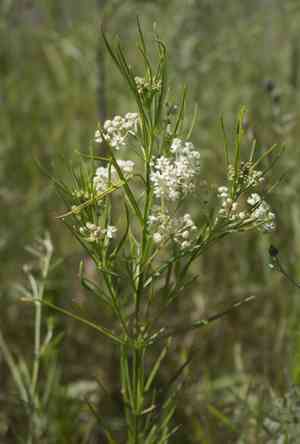
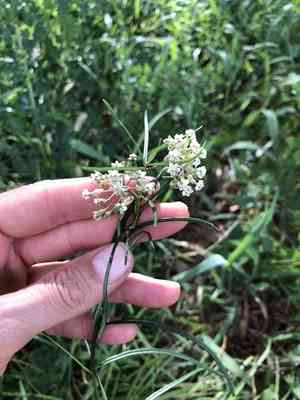
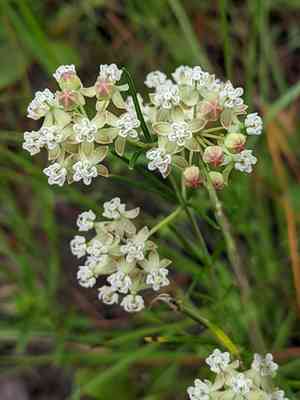
Quickly Identify Whorled Milkweed
Scientific Classification of Whorled Milkweed
Planting and Growing of Whorled Milkweed
 How to Water Whorled Milkweed?
 What Are the Sunlight Requirements for Whorled Milkweed?
 What Is the Ideal Temperature Range for Whorled Milkweed?
 What Soil is Best for Whorled Milkweed?
 How to Fertilize Whorled Milkweed?
 How to Prune Whorled Milkweed?
 How to Propagate Whorled Milkweed plant?
 How to Repot Whorled Milkweed plant?
Toxicity of Whorled Milkweed
Is Whorled Milkweed toxic to humans?
Whorled Milkweed presents a moderate toxicity threat to humans, with the potential to trigger allergic reactions. Exposure to any part of this plant, whether through contact or ingestion, can result in poisoning due to the presence of cardenolides. These compounds, which can impact cardiac function, are distributed throughout the entire plant. Signs of poisoning may include nausea, vomiting, weakness, breathing difficulties, and a rapid or irregular heartbeat. In severe instances, ingestion can lead to more critical consequences, including potentially life-threatening complications. It is essential to avoid unintentional ingestion and direct contact with whorled Milkweed to safeguard against these harmful health implications.
Is Whorled Milkweed toxic to cat?
Whorled Milkweed presents a moderate toxicity risk to cats. Exposure can happen through skin contact or unintentional ingestion. If a cat interacts with or consumes any portion of the whorled Milkweed, as the entire plant is poisonous, they may exhibit signs of physical distress, which can include gastrointestinal upset or cardiovascular issues, owing to the presence of cardenolides. Cat owners should remain vigilant for any negative reactions and immediately pursue veterinary assistance if symptoms occur to safeguard their feline companion's health and well-being.
Is Whorled Milkweed toxic to dog?
Whorled Milkweed carries a moderate risk of toxicity for dogs. Dogs can be exposed to this plant either through skin contact or accidental ingestion. Since the entire plant is poisonous, if a dog touches or ingests any part of whorled Milkweed, they may show signs such as vomiting, diarrhea, weakness, and breathing difficulties due to the presence of cardenolides. It is vital for dog owners to be alert and keep their pets away from areas where whorled Milkweed is found. Should there be any suspicion of a dog being poisoned by whorled Milkweed, seeking immediate veterinary assistance is essential to effectively manage the symptoms and enhance the chances of recovery.



