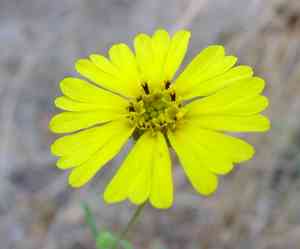
Sonne's arnica (Arnica parryi)
Also known as: Parry's arnica, Parry's leopardbane
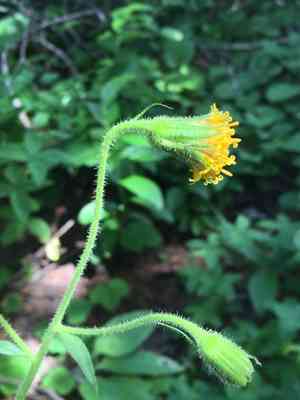
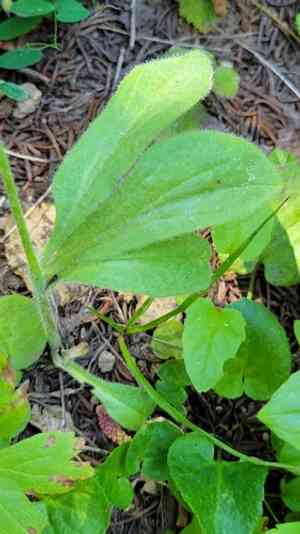
Arnica parryi is a perennial herb with rhizomes, typically featuring a single, unbranched stem that grows to heights ranging from 10 to 60 centimeters. The plant has oval leaves at the base and longer, narrower leaves with petioles higher up. On larger plants, these leaves can reach up to 20 centimeters in length.
In This Article
Attributes of Sonne's arnica
Lifespan
Perennial
Plant Type
Herb
Plant Height
30 cm to 51 cm
Spread
Approximately 20-30 cm
Leaf Color
Green
Flower Size
5-7 cm
Flower Color
Bright yellow
Images of Sonne's arnica
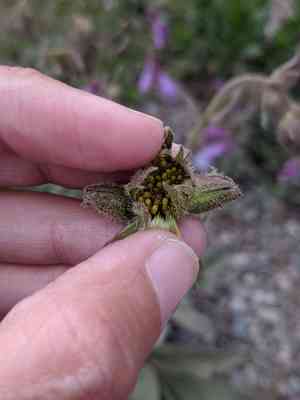
Quickly Identify Sonne's arnica
1
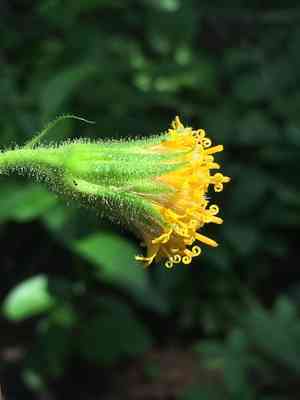
To identify Arnica parryi, look for its bright yellow daisy-like flowers with a central disk and radiating petals. The leaves are typically lance-shaped and borne on a single, erect stem.
Scientific Classification of Sonne's arnica
Phylum
Vascular plants
Class
Dicotyledons
Order
Asterales
Family
Daisy
Genus
Mountain tobaccos
Species
Sonne's arnica
Planting and Growing of Sonne's arnica
Care Difficulty
Hard
Watering Schedule
Every 2 days
Sunlight Requirements
Partial sun
Sunshine Duration
6-12 hours
Ideal Temperature
65-75℉
Soil Type
Potting Mix, Peat Mix
Soil pH
6.5-7.5
Fertilizer Type
Balanced
Pruning Season
Spring, Summer
Pruning Area
Branches, Leaves
Pruning Frequency
2 times a year
Repotting Season
Spring
Pot Type
Terracotta, Plastic
 How to Water Sonne's arnica?
For Arnica parryi, a good rule of thumb is to water with approximately 150 milliliters per session. This plant prefers a moist but not waterlogged soil. Ensure the water penetrates the soil deeply without leaving standing water, which aids in maintaining proper root health.
What are the symptoms of an underwatered Sonne's arnica?
›
What should I do if my Sonne's arnica is not getting enough water?
›
What are the symptoms of an overwatered Sonne's arnica?
›
How to save an overwatered Sonne's arnica?
›
 What Are the Sunlight Requirements for Sonne's arnica?
Arnica parryi prefers partial sun conditions, benefiting from three to six hours of sunlight daily. Ideal light exposure ensures its photosynthesis process is supported, promoting healthy growth and vibrant blooms.
How much direct sun does Arnica parryi prefer?
›
What environments provide ideal lighting for Arnica parryi?
›
How does ideal lighting affect the growth of Arnica parryi?
›
 What Is the Ideal Temperature Range for Sonne's arnica?
Arnica parryi thrives best in a temperature range of 65°F to 75°F. This range provides optimal growing conditions by balancing the metabolic activities and photosynthesis processes, ensuring healthy growth and vibrant blooms.
 What Soil is Best for Sonne's arnica?
Arnica parryi thrives in well-drained soil that mimics its natural mountainous habitat, preventing root rot. Ensuring good drainage helps maintain ideal plant health and growth. Rich in organic matter, the soil provides essential nutrients to Arnica parryi, promoting vigorous growth and vibrant flowers. Nutrient-rich conditions are crucial for optimal development. Avoiding excessively fertile soil prevents overgrowth, ensuring balanced plant development. Moderately fertile conditions maintain the plant's natural growth habit and resilience.
 How to Fertilize Sonne's arnica?
Arnica parryi prefers a balanced approach to fertilization. Use a diluted liquid fertilizer at 1/4 strength to avoid over-application. For solid fertilizer, ensure it's evenly distributed in the soil to promote even nutrient absorption.
 How to Prune Sonne's arnica?
Start by inspecting the Arnica parryi plant for dead or damaged stems. Using clean, sharp pruning shears, cut these back to the base. Trim any overgrown areas to encourage a denser bush. Always make clean cuts at a 45-degree angle to prevent water damage. To shape the Arnica parryi, focus on maintaining its natural form while removing any errant branches that disrupt symmetry. Consider a slight reduction of lateral branches to maintain an appealing and balanced plant shape.
 How to Propagate Sonne's arnica plant?
1
Collect seeds from mature Arnica parryi flowers. Clean them and let them dry. Prepare seed trays with a well-draining soil mix, ensuring it's moist before sowing.
2
Sow the seeds evenly over the prepared soil surface and gently cover them with a thin layer of soil. Keep the trays in a warm location with indirect sunlight to encourage germination.
3
For division, lift a mature plant from the soil and use a sharp knife to divide the root mass into sections, each with leaves and a portion of root. Replant immediately.
 How to Repot Sonne's arnica plant?
1
Arnica parryi gives a few clear signals when it's time for repotting. Look for roots growing out of the drainage holes or circling the pot's interior, as both indicate the plant is becoming root-bound. Additionally, if you notice a decline in growth or general health, it may be time for a new pot and fresh soil. Plan to repot during the growing season in spring or early summer for best results.
2
When selecting a new pot for Arnica parryi, ensure it’s only one size larger than the current pot. A pot that's too large can lead to overwatering and root rot. Opt for a pot with multiple drainage holes to ensure excess water can escape, preventing waterlogged soil and promoting healthy root growth.
3
For Arnica parryi, a well-draining sandy loam is ideal. This type of soil provides excellent drainage, mimicking the plant’s natural habitat while preventing root rot. It also retains enough moisture and nutrients to support healthy growth, ensuring the plant remains vigorous and resilient.
Toxicity
Ingestion, Skin Contact
WARNING
The judgment on toxicity and danger is for reference only. We DO NOT GUARANTEE any accuracy of such judgment. Therefore, you SHALL NOT rely on such judgment. It is IMPORTANT TO SEEK PROFESSIONAL ADVICE in advance when necessary.
Learn More About Sonne's arnica Diseases
Anthracnose
Bacterial Leaf Spot
Bacterial Soft Rot
Bacterial Wilt
Black Spot
Chemical Injury
Crown Gall
Cyst Nematode
Damping-off
Downy Mildew
Drought Stress
Fusarium Wilt
Gray Mold
Leaf Spot
Mosaic
Nutrient Deficiency
Nutrient Toxicity
Powdery Mildew
Root Rot
Root-knot Nematode
Rusts
Sooty Mold
Spider Mites
Temperature Stress
Thrips Damage
White Mold



