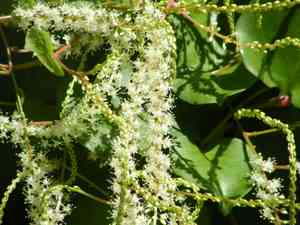
Madeira-vine(Anredera cordifolia)

Madeira-vine (Anredera cordifolia)

Also known as: Cascade Creeper, Potato Vine, Heartleaf madeiravine, Mignonette vine

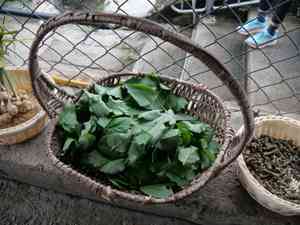
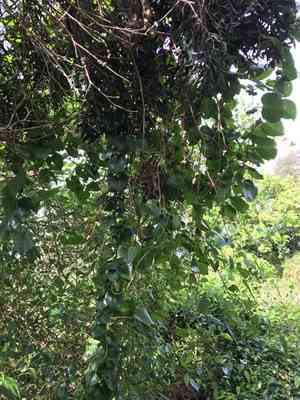
Madeira-vine, often considered a weed, can also serve as a food source. When cooked, both its underground tubers and fleshy leaves are edible. However, the bulbils, or aerial tubers, are not suitable for consumption. This robust vine has the potential to overwhelm trees and shrubs.

Attributes of Madeira-vine

Lifespan
Perennial
Plant Type
Herb
Plant Height
1 m to 7 m
Spread
3 m to 6 m
Leaf Color
Green
Flower Size
5 mm
Flower Color
White Yellow Green

ForwardPlant - Identify plants with a snap

Identify and diagnose plants, get toxicity alerts, and explore safety guides for all types of fungi.

Try for Free

Images of Madeira-vine

Madeira-vine(Anredera cordifolia)

Quickly Identify Madeira-vine

1
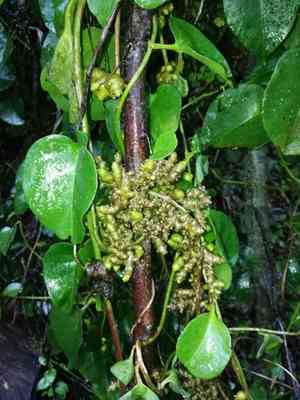
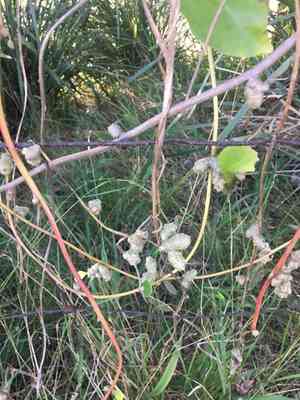
Anredera cordifolia can be identified by its fleshy, heart-shaped leaves, creamy-white flowers in dense, pendulous racemes, and bulbils that form along its stems.

Scientific Classification of Madeira-vine

Phylum
Vascular plants
Class
Dicotyledons
Order
Pinks, cacti, and allies
Family
Basella
Genus
Madeira vines
Species
Madeira-vine

Planting and Growing of Madeira-vine

Care Difficulty
Easy
Watering Schedule
Every 4 days
Sunlight Requirements
Full sun
Sunshine Duration
6-10 hours
Ideal Temperature
60-77℉
Soil Type
Potting Mix, Peat Mix
Soil pH
6.5-7.5
Fertilizer Type
Balanced
Pruning Season
Spring, Summer
Pruning Area
Branches, Leaves
Pruning Frequency
2 times a year
Repotting Season
Spring
Pot Type
Plastic, Ceramic

water icon How to Water Madeira-vine?

For Anredera cordifolia, aim to water until the soil feels moist but not waterlogged. You should allow excess water to drain out of the pot to avoid root rot. A moderate amount of 500ml should suffice per session, ensuring the soil soaks up the moisture without drowning the roots.
What are the symptoms of an underwatered Madeira-vine?
What should I do if my Madeira-vine is not getting enough water?
What are the symptoms of an overwatered Madeira-vine?
How to save an overwatered Madeira-vine?
More About Watering Techniques

sunlight icon What Are the Sunlight Requirements for Madeira-vine?

Sunlight Requirements: Full sun, Partial sun
Duration of light: 4 to 6 hours
Partial to full sun conditions are ideal, accommodating up to six hours of sunlight each day. This provides balanced exposure, which promotes healthy growth and maintains the plant's natural vigor and resilience.
Solution to Achieve Ideal Light
Practical Measures for Optimal Light
Benefits of Ideal Lighting
More About Sunlight Requirements Techniques

temperature icon What Is the Ideal Temperature Range for Madeira-vine?

Ideal Temperature: 60 ~ 77℉
Anredera cordifolia thrives best in temperatures ranging between 60°F to 77°F. This range supports optimal growth and health, ensuring the plant maintains its vibrant foliage and rapid growth. Adequate warmth during this range helps in effective photosynthesis and nutrient absorption, which are crucial for the plant's overall development.

soil icon What Soil is Best for Madeira-vine?

Soil type: Loam, Sandy loam, Sand soil
Soil PH: 6.5 ~ 7.5
Anredera cordifolia thrives in well-drained soil as it prevents root rot and provides adequate oxygen to the roots, enhancing the plant's growth and stability. The plant benefits from soil rich in organic matter, which supplies essential nutrients, leading to vigorous growth and healthy foliage. While it prefers well-drained conditions, it also needs some level of moisture retention to sustain healthy growth during dry spells. More About Soil

fertilize icon How to Fertilize Madeira-vine?

Fertilizer type: Balanced
For Anredera cordifolia, it's crucial to maintain a balanced nutrient profile. When using liquid fertilizers, dilute them to about half the recommended strength on the package to avoid over-fertilization. Typically, 5 ml of liquid fertilizer in 1 liter of water should suffice per application. More About Fertilizing Techniques

prune icon How to Prune Madeira-vine?

Pruning Time: Spring, Summer, Autumn
Start by identifying any dead or damaged stems and remove them entirely. Use clean, sharp pruning shears to trim back excessively long vines, especially those overtaking other plants or structures. Aim to cut the stems just above a node to encourage new growth. Regular pruning will keep the plant in check and maintain an aesthetic appearance. Anredera cordifolia, known for its aggressive growth, requires regular attention to prevent it from spreading uncontrollably. Focus on cutting back vines that extend far from their original plant base. Remove any plants that are growing beyond their designated area to maintain desired boundaries. Keeping a consistent pruning schedule will help you manage its spread effectively. More About Pruning Techniques

propagate icon How to Propagate Madeira-vine plant?

Propagate Time: Spring, Early summer
1
Choose healthy, non-flowering stems for cuttings that are about 10-15 cm long. Ensure that the selected cuttings have at least a few nodes as they are crucial for new root development.
2
Remove leaves from the lower half of the cutting to prevent rot and dip the cut end into rooting hormone. This step prepares the cutting for optimal root growth.
3
Insert the hormone-treated end of the cutting into a pot filled with a well-draining potting mix. Firm the soil around the base to ensure stability and water thoroughly.
More About Propagating Techniques

repot icon How to Repot Madeira-vine plant?

Repotting frequency: Every 2-3 years
1
Anredera cordifolia, or Madeira Vine, typically requires repotting when its roots begin to outgrow the container and push through the drainage holes. Another sign is a noticeable slowdown in growth, indicating the plant has exhausted the nutrients in its current soil. Spring and summer are ideal times for repotting, as they coincide with the plant's active growth phase, allowing it to recover quickly.
2
Select a new pot that is one size larger than the current one and has ample drainage holes. The increased size allows room for growth, while good drainage prevents root rot by ensuring excess water escapes. The material of the pot can vary, but terracotta is beneficial as it is breathable, helping to regulate soil moisture more effectively.
3
Choose a well-draining potting mix that mimics the plant's natural habitat. A blend containing sand, perlite, or pumice will improve aeration and drainage, preventing overwatering issues. Such a medium allows roots to breathe while holding enough moisture and nutrients to sustain healthy growth, contributing to a resilient plant.

ForwardPlant - Identify plants with a snap

Find the best spots for them to optimize their health, simply using your phone.

Try for Free

Toxicity of Madeira-vine

Is Madeira-vine toxic to humans?

Madeira-vine presents a mild toxicity hazard for humans. Any contact with parts of the plant, including the leaves, stems, and roots, can cause skin irritation upon touch. Accidental ingestion may lead to poisoning as every part of the plant is toxic. Symptoms from madeira-vine poisoning commonly include gastrointestinal issues, such as nausea, vomiting, and diarrhea. Moreover, individuals may develop skin rashes or dermatitis after direct contact. It is crucial for people to be cautious and avoid both accidental ingestion and extended skin contact with madeira-vine.

Is Madeira-vine toxic to cat?

Madeira-vine presents a mild toxicity hazard to cats. These animals can experience poisoning from direct contact or accidental consumption of the plant. All parts of the madeira-vine are deemed toxic. Following exposure, a cat might demonstrate signs of physical distress. It is crucial for cat owners to remain alert in order to keep their pets away from any part of the madeira-vine. If poisoning is suspected, it is essential to promptly seek veterinary treatment to ensure the cat's health and safety.

Is Madeira-vine toxic to dog?

Madeira-vine presents a slight toxicity hazard to dogs. Canines can experience poisoning from madeira-vine through skin contact or unintentional ingestion. The entire plant is toxic, and exposure can result in a range of symptoms that require attention. If a dog comes into contact with or ingests any portion of madeira-vine, they may show signs of poisoning which can include vomiting, diarrhea, or dermatitis. It is essential for dog owners to closely observe their pets and restrict their access to madeira-vine. If a dog exhibits any negative reactions after being near madeira-vine, it is vital to seek prompt veterinary assistance to ensure their health and safety.

Identify toxic plants for your safety

Learn which plants are harmful to you and your pets, and make informed choices for a safer home!

Try for Free
WARNING
The judgment on toxicity and danger is for reference only. We DO NOT GUARANTEE any accuracy of such judgment. Therefore, you SHALL NOT rely on such judgment. It is IMPORTANT TO SEEK PROFESSIONAL ADVICE in advance when necessary.
More About Toxic Techniques