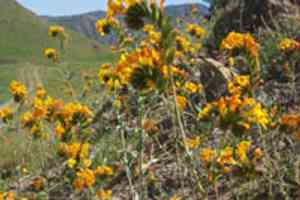
Green fiddleneck (Amsinckia vernicosa)
Also known as: Forked fiddleneck
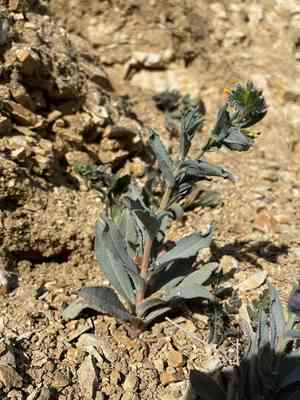
The plant you're referring to is likely the Green Fiddleneck (Amsinckia retrorsa). This hardy annual thrives in Western North America's open spaces, featuring vibrant yellow, trumpet-shaped flowers and distinctively hairy stems. It often grows in disturbed soils, showcasing its opportunistic nature. The bristly leaves and coiled flower clusters contribute to its unique look, making it a notable presence in springtime meadows and along roadsides.
In This Article
Attributes of Green fiddleneck
Lifespan
Annual
Plant Type
Herb
Plant Height
10-40 cm
Spread
N/A
Leaf Color
Green
Flower Size
1-2 cm
Flower Color
Yellow
Images of Green fiddleneck
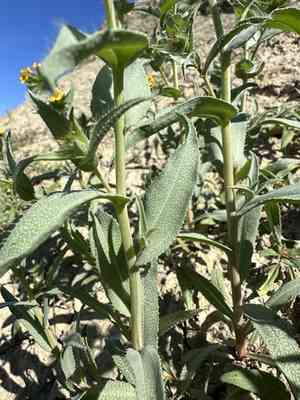
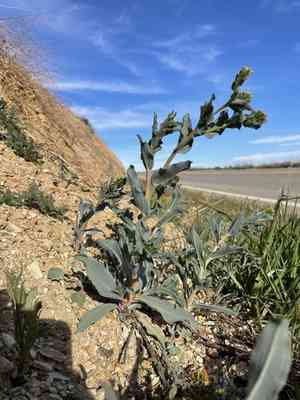
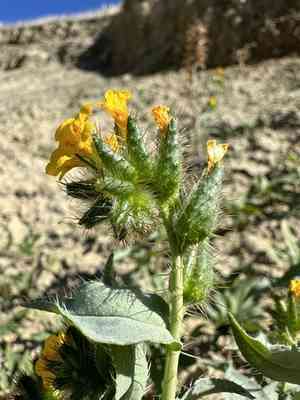
Quickly Identify Green fiddleneck
1
Prevalent identification features include the rough, hairy surface of the plant, sticky leaves, and vibrant yellow, bell-shaped flowers that create a characteristic fiddlehead appearance.
Scientific Classification of Green fiddleneck
Phylum
Vascular plants
Class
Dicotyledons
Order
Boraginales
Family
Borage
Genus
Fiddlenecks
Species
Green fiddleneck
Planting and Growing of Green fiddleneck
Care Difficulty
Moderate
Watering Schedule
Every 2 days
Sunlight Requirements
Full sun
Sunshine Duration
6-10 hours
Ideal Temperature
60-75℉
Soil Type
Potting Mix, Peat Mix
Soil pH
6.5-7.5
Fertilizer Type
Balanced
Pruning Season
Spring, Summer
Pruning Area
Branches, Leaves
Pruning Frequency
2 times a year
Repotting Season
Spring
Pot Type
Plastic, Ceramic
 How to Water Green fiddleneck?
Amsinckia vernicosa thrives best when watered deeply but infrequently. The goal is to mimic its natural habitat, where it experiences periods of dryness. Water until the top 2 inches of soil are moist, ensuring it penetrates the root zone. This plant prefers a well-drained soil, so overwatering should be avoided.
What are the symptoms of an underwatered Green fiddleneck?
›
What should I do if my Green fiddleneck is not getting enough water?
›
What are the symptoms of an overwatered Green fiddleneck?
›
How to save an overwatered Green fiddleneck?
›
 What Are the Sunlight Requirements for Green fiddleneck?
Amsinckia vernicosa thrives under full sun conditions. This optimal lighting ensures vibrant blooms and robust growth. Full sun exposure maximizes photosynthesis, leading to stronger, healthier plants and increased flowering potential.
What is the ideal lighting environment for Amsinckia vernicosa?
›
How can I achieve the ideal sunlight conditions for Amsinckia vernicosa?
›
What are the benefits of achieving the ideal sunlight conditions for Amsinckia vernicosa?
›
 What Is the Ideal Temperature Range for Green fiddleneck?
For optimal growth, Amsinckia vernicosa thrives best within a temperature range of 60 to 75°F. Maintaining this range ensures the plant receives adequate warmth without stressing due to excessive heat or cold, fostering healthy development and flowering.
 What Soil is Best for Green fiddleneck?
Amsinckia vernicosa thrives in well-drained soils, which are crucial to prevent waterlogging. Well-drained conditions help the roots breathe and avoid root rot, promoting healthy growth. This plant appreciates nutrient-rich soils that supply essential minerals. A fertile base supports vibrant foliage and robust flowering, enhancing the plant's aesthetic appeal. Incorporating moderate organic matter into the soil can boost its fertility and moisture retention. This balance optimizes nutrient availability and helps maintain stable moisture levels.
 How to Fertilize Green fiddleneck?
Amsinckia vernicosa, commonly known as the 'vernicated fiddleneck', does not typically require heavy fertilization. A light application of a balanced fertilizer with a ratio like 10-10-10 will suffice. Aim to use about 1/4 cup per plant to avoid overwhelming the soil and roots.
 How to Prune Green fiddleneck?
Begin by using sharp, clean pruning shears to remove any dead or damaged stems, making clean cuts at the base. Focus on thinning out the center of the plant to improve air circulation, and trim back any overly long branches to maintain a balanced shape. Be careful to leave some new growth for next season’s blooms. Regularly inspect the plant for spent flowers and remove them by pinching or cutting just below the flower head. This encourages the plant to produce more blooms and keeps it looking neat. Deadheading can also help divert energy to new growth and flowering.
More About Pruning Techniques→
 How to Propagate Green fiddleneck plant?
1
Collect seeds from mature Amsinckia vernicosa plants. Make sure they are dry and free from any microbial infections. It's best to store them in a cool, dry place before planting.
2
Fill the seed trays with good quality potting mix. Ensure the mix is moist but not overly saturated to provide a conducive environment for seed germination.
3
Sow the seeds evenly across the tray. Maintain a sufficient distance between each seed to allow room for growth. Cover lightly with potting mix and mist with water gently.
 How to Repot Green fiddleneck plant?
1
Monitor Amsinckia vernicosa for signals such as overcrowded roots, water retention issues, and stunted growth, indicating it's time to repot. The ideal repotting period is spring or summer when the plant is actively growing, allowing it to quickly adapt to new potting conditions.
2
Choose a pot that is only slightly larger than the current one to prevent overwatering issues and promote strong root growth. Ensure the pot has drainage holes to prevent waterlogging, which can harm the plant. A clay pot helps in air circulation around the roots.
3
Opt for a well-draining sandy soil mix to mimic its natural dry habitat, ensuring proper drainage and preventing root rot. This soil type enhances aeration and prevents compaction, allowing roots to thrive and absorb nutrients efficiently.



