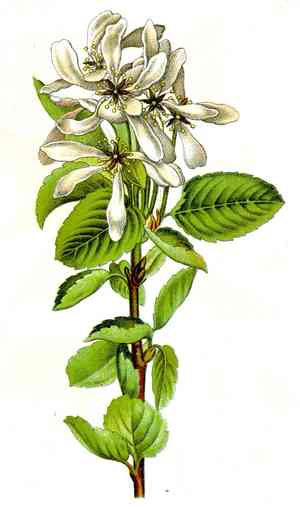
Inland serviceberry (Amelanchier interior)
Also known as: Inland Serviceberry, Saskatoon
For a plant that can grow up to nine meters and is typically found on hillsides and near streams, the optimal growing conditions are:
1. **Soil**: Adaptable to sandy, loamy, and clay soils, including heavier clay types.
2. **pH Range**: Tolerates acidic, neutral, and alkaline soils.
3. **Light**: Thrives in both shaded and semi-shaded environments.
4. **Moisture**: Needs consistently moist soil to mimic natural streamside conditions.
These requirements ensure the plant can achieve its full growth potential in diverse environments.
In This Article
Attributes of Inland serviceberry
Lifespan
Perennial
Plant Type
Tree, Shrub
Plant Height
6 m to 9 m
Spread
10 to 15 feet
Leaf Color
Green
Flower Size
1 to 1.5 inches
Flower Color
White
Images of Inland serviceberry
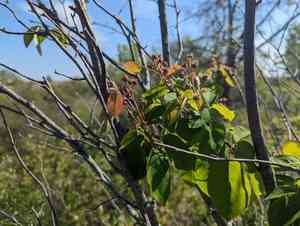
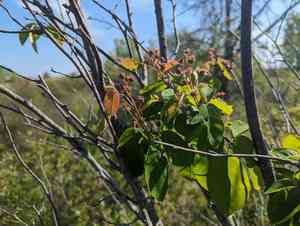
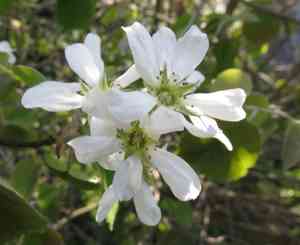
Quickly Identify Inland serviceberry
1
Identify Amelanchier interior by its white, five-petaled flowers that bloom in early spring. Look for small, round berries that turn dark purple when ripe. The leaves are simple, oval, and finely toothed.
Scientific Classification of Inland serviceberry
Phylum
Vascular plants
Class
Dicotyledons
Order
Rosales
Family
Rose
Genus
Shadbushes
Species
Inland serviceberry
Planting and Growing of Inland serviceberry
Care Difficulty
Easy
Watering Schedule
Every 3 days
Sunlight Requirements
Full sun
Sunshine Duration
6-10 hours
Ideal Temperature
60-75℉
Soil Type
Potting Mix, Peat Mix
Soil pH
6.5-7.5
Fertilizer Type
Balanced
Pruning Season
Spring, Summer
Pruning Area
Branches, Leaves
Pruning Frequency
2 times a year
Repotting Season
Spring
Pot Type
Plastic, Terracotta
 How to Water Inland serviceberry?
For Amelanchier interior, ensure that watering is thorough enough to reach the root zone, yet not leave the soil soggy. A depth of watering where moisture penetrates about 6-8 inches is ideal, which typically translates to around 500 ml per session.
What are the symptoms of an underwatered Inland serviceberry?
›
What should I do if my Inland serviceberry is not getting enough water?
›
What are the symptoms of an overwatered Inland serviceberry?
›
How to save an overwatered Inland serviceberry?
›
 What Are the Sunlight Requirements for Inland serviceberry?
Amelanchier interior thrives in full to partial sun, meaning it benefits from at least six hours of sunlight per day. Ideal lighting encourages robust growth and plentiful fruiting, sustaining its ornamental essence.
What is the best location for optimal sunlight?
›
How can I increase sunlight exposure indoors?
›
Why is maintaining ideal sunlight important?
›
 What Is the Ideal Temperature Range for Inland serviceberry?
The ideal temperature range for Amelanchier interior is between 60°F and 75°F. Within this range, the plant can perform its metabolic functions efficiently, encouraging robust growth and healthy flowering. Maintaining this temperature range ensures optimal absorption of nutrients and water, facilitating the overall health of the plant.
 What Soil is Best for Inland serviceberry?
Amelanchier interior thrives in well-drained soil, which prevents root rot by ensuring excess water can escape. This condition verifies optimal moisture levels for nutrient uptake, promoting healthy growth. A nutrient-rich soil is essential for robust growth, supplying vital minerals and organic matter. This boosts the plant’s vitality, improving flowering and increasing its resilience against pests. The ability to retain moderate moisture is important for Amelanchier interior, ensuring that the plant receives ample water without waterlogging. This maintains soil structure and fosters deep root development.
 How to Fertilize Inland serviceberry?
For Amelanchier interior, apply liquid fertilizer at a concentration of half the recommended strength to avoid nutrient burn. Use about 1-2 liters of fertilizer mixture per plant to ensure that the nutrients penetrate deeply into the soil.
 How to Prune Inland serviceberry?
Start by removing any dead, diseased, or damaged branches with clean, sharp pruning shears. Focus on creating an open center structure by cutting out any crossing or inward-facing branches to improve light penetration and airflow. To maintain a tidy appearance, trim back overgrown shoots and thin out crowded areas. Aim to preserve the plant's natural form while keeping it within desired boundaries. This will not only keep the Amelanchier interior looking appealing but also prevent it from becoming too dense.
 How to Propagate Inland serviceberry plant?
1
Before planting, seeds need to undergo stratification, a process of chilling them to break dormancy. For Amelanchier interior, this typically involves storing seeds in a moist medium in the fridge for 60 to 90 days.
2
Cuttings should be taken in early spring before the growing season starts. Use a sterilized knife or shears to cut healthy, disease-free branches about 4-6 inches long. Remove the leaves from the lower half to reduce water loss.
3
During the plant's dormant season, carefully dig up the root ball and gently separate sections ensuring each has a good amount of roots attached. Replant the divisions immediately to minimize stress.
 How to Repot Inland serviceberry plant?
1
Amelanchier interior needs repotting when roots outgrow the current pot or when soil loses its vitality. Look for signs like roots peeking through drainage holes or the plant appearing top-heavy. Spring and autumn are ideal times as the plant is in active growth, making it easier to recover from the stress of repotting.
2
Opt for a pot slightly larger than the current one, ensuring it has efficient drainage holes. A larger pot allows for root growth and stability, which is crucial for the plant's health. Moreover, consider a pot made of breathable materials like terracotta, which helps with moisture evaporation, preventing waterlogging.
3
Select a well-draining loam mix to prevent root rot and ensure adequate air circulation. Such a mix retains essential nutrients and moisture while allowing excess water to escape, promoting healthy root development. This type of soil is ideal for supporting the plant's overall vigor and growth.



