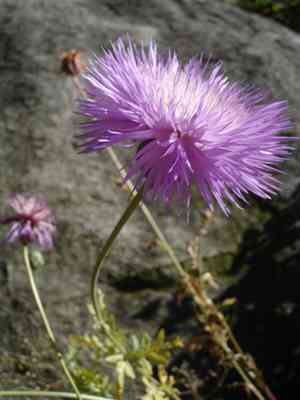
Amberboa moschata (Amberboa moschata)
Also known as: Sweet sultan, Musk thistle
Amberboa moschata, also known as sweet sultan, is a branching annual plant reaching up to approximately 50 cm in height. It features attractive, fragrant flower heads that are predominantly purple, though they can also be pink or white.
In This Article
Attributes of Amberboa moschata
Lifespan
Annual, Biennial
Plant Type
Herb
Plant Height
30-60 cm (12-24 inches)
Spread
20-40 cm (8-16 inches)
Leaf Color
Green Gray Silver
Flower Size
4-6 cm (1.5-2.5 inches)
Flower Color
Yellow
Images of Amberboa moschata
Quickly Identify Amberboa moschata
1
To identify Amberboa moschata, look for its finely dissected, feathery leaves and its distinctive, fragrant flower heads that resemble thistles. The flowers typically have disc florets surrounded by spidery, filiform (thread-like) petals. The plant also produces a musky scent, particularly noticeable in the early morning or evening.
Scientific Classification of Amberboa moschata
Phylum
Vascular plants
Class
Dicotyledons
Order
Asterales
Family
Daisy
Genus
Amberboa
Species
Amberboa moschata
Planting and Growing of Amberboa moschata
Care Difficulty
Easy
Watering Schedule
Every 4 days
Sunlight Requirements
Full sun
Sunshine Duration
4-8 hours
Ideal Temperature
60-75℉
Soil Type
Potting Mix, Peat Mix
Soil pH
6.5-7.5
Fertilizer Type
Balanced
Pruning Season
Spring, Summer
Pruning Area
Branches, Leaves
Pruning Frequency
2 times a year
Repotting Season
Spring
Pot Type
Plastic, Ceramic
 How to Water Amberboa moschata?
Amberboa moschata prefers moderate watering. It is important to water until the soil is consistently moist but not waterlogged. Aim for about 500ml each time, ensuring that excess water drains well to prevent root rot.
What are the symptoms of an underwatered Amberboa moschata?
›
What should I do if my Amberboa moschata is not getting enough water?
›
What are the symptoms of an overwatered Amberboa moschata?
›
How to save an overwatered Amberboa moschata?
›
 What Are the Sunlight Requirements for Amberboa moschata?
Amberboa moschata prefers full to partial sunlight, thriving with 6 to 8 hours of sunlight. Ideal lighting enhances flowering and overall vitality, making it more visually appealing and resilient.
What type of light is best for Amberboa moschata?
›
How can you ensure Amberboa moschata gets the ideal light?
›
What benefits does Amberboa moschata receive from ideal lighting?
›
 What Is the Ideal Temperature Range for Amberboa moschata?
Amberboa moschata, commonly known as Sweet Sultan or Amberboa, thrives in moderate temperature conditions. Ideally, this plant should be cultivated in an environment where temperatures range from 60°F to 75°F. This range supports optimal growth, flower development, and overall health. Consistently maintaining these temperatures helps in avoiding stress that could hinder the plant's ability to produce vibrant flowers.
 What Soil is Best for Amberboa moschata?
Amberboa moschata thrives in well-drained soil. This condition prevents root rot, ensuring the plant receives the necessary oxygen and nutrients without waterlogging issues. The plant prefers soil with moderate fertility levels. Over-fertilizing can lead to lush foliage but fewer blooms, while moderate nutrition promotes vibrant and plentiful flowering. Maintaining slightly moist soil is key. It encourages steady growth and prevents stress from drought, ultimately supporting the plant's blooming process.
 How to Fertilize Amberboa moschata?
For Amberboa moschata, use a balanced liquid fertilizer diluted to half strength. Typically, 10 ml per liter of water is sufficient, ensuring not to overfeed which might harm the plant.
 How to Prune Amberboa moschata?
Begin by sterilizing your pruning shears with a solution of one part bleach to ten parts water. This prevents the spread of disease. Identify faded or dead flowers and stems and cut them back to a healthy set of leaves. Make clean, angled cuts to prevent water from settling on the cut surfaces, which can lead to rot. Additionally, remove any crossing stems to improve air circulation throughout the plant, which is vital for preventing disease.
More About Pruning Techniques→
 How to Propagate Amberboa moschata plant?
1
Fill seed trays or pots with sterile potting soil, ensuring it is loose and well-draining. Moisten the soil lightly without making it soggy to provide the perfect environment for seed germination.
2
Sprinkle Amberboa moschata seeds evenly on top of the soil and cover them with a thin layer of soil, approximately 1/8 inch deep, to protect them while still allowing light penetration needed for germination.
3
Cover the seed trays with a clear plastic lid or use a plastic wrap to maintain high humidity levels. This will help keep the soil consistently moist and warm, aiding in faster seed germination.
 How to Repot Amberboa moschata plant?
1
Amberboa moschata shows signs of needing repotting when roots start to circle the pot's edge, soil compaction occurs, or water runs straight through the pot. These indicators mean it's time to refresh its growing environment.
2
Choose a pot one size larger with good drainage holes. The new pot should be wide enough to allow healthy root expansion while preventing waterlogging, ensuring that Amberboa moschata enjoys a stable growth setting.
3
Opt for a well-draining potting mix with a composition that aids aeration and retains some moisture. This balance supports healthy root development and prevents root rot, crucial for the plant's sustained health and vitality.
Learn More About Amberboa moschata Diseases
Anthracnose
Bacterial Leaf Spot
Bacterial Soft Rot
Bacterial Wilt
Black Spot
Chemical Injury
Crown Gall
Cyst Nematode
Damping-off
Downy Mildew
Drought Stress
Fusarium Wilt
Gray Mold
Leaf Curl
Leaf Spot
Mosaic
Nutrient Deficiency
Nutrient Toxicity
Powdery Mildew
Root Rot
Root-knot Nematode
Rusts
Sooty Mold
Spider Mites
Temperature Stress
Thrips Damage
White Mold



