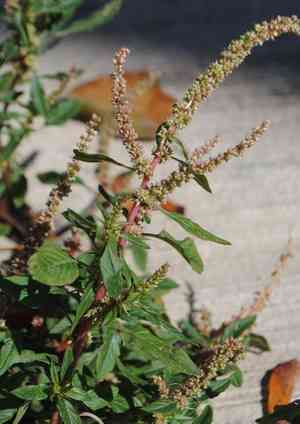
Spiny amaranth (Amaranthus spinosus)
Also known as: Spiny pigweed, Prickly amaranth
Mimosa pigra is a plant species originally from the lowland American tropics. Over time, it has spread invasively to tropical areas around the world. This species is notable for the sharp spines located at each of its leaf nodes.
In This Article
Attributes of Spiny amaranth
Lifespan
Annual
Plant Type
Herb
Plant Height
30 cm to 1 m
Spread
60 cm to 90 cm
Leaf Color
Green Blue Purple
Flower Size
4 mm to 8 mm
Flower Color
Green White Yellow
Images of Spiny amaranth

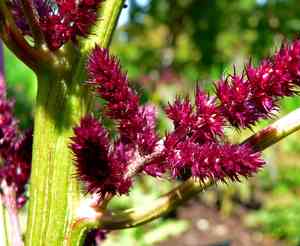
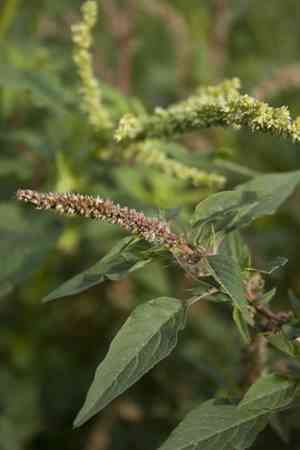
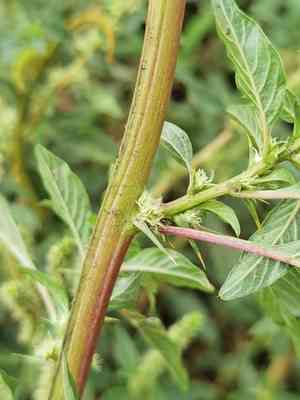
Quickly Identify Spiny amaranth
1
Look for an erect herb with sharp, prickly spines, green leaves that are lanceolate to ovate, and clusters of greenish flowers. The spines are a key distinguishing feature.
Scientific Classification of Spiny amaranth
Phylum
Vascular plants
Class
Dicotyledons
Order
Pinks, cacti, and allies
Family
Amaranth
Genus
Amaranths
Species
Spiny amaranth
Planting and Growing of Spiny amaranth
Care Difficulty
Easy
Watering Schedule
Every 2 days
Sunlight Requirements
Full sun
Sunshine Duration
4-8 hours
Ideal Temperature
75-85℉
Soil Type
Potting Mix, Peat Mix
Soil pH
6.5-7.5
Fertilizer Type
Balanced
Pruning Season
Spring, Summer
Pruning Area
Branches, Leaves
Pruning Frequency
Once a year
Repotting Season
Spring
Pot Type
Plastic, Terracotta
 How to Water Spiny amaranth?
For Amaranthus spinosus, the watering should be thorough but not excessive. This plant thrives in well-drained soil, so ideally, water until it reaches approximately 500 milliliters per session. The key is to ensure the soil is moist but not waterlogged.
What are the symptoms of an underwatered Spiny amaranth?
›
What should I do if my Spiny amaranth is not getting enough water?
›
What are the symptoms of an overwatered Spiny amaranth?
›
How to save an overwatered Spiny amaranth?
›
 What Are the Sunlight Requirements for Spiny amaranth?
Amaranthus spinosus ideally needs full to partial sun exposure, supporting vigorous leaf and flower development. Ideal lighting conditions foster strong growth and enhanced photosynthesis, resulting in a healthier plant.
Ideal Amount of Light
›
Solution to Achieve Ideal Light Conditions
›
Benefits of Ideal Light
›
 What Is the Ideal Temperature Range for Spiny amaranth?
The optimal temperature range for the growth of Amaranthus spinosus is between 75°F and 85°F. This temperature range allows for the best metabolic activity and physiological functioning of the plant, ensuring healthy growth and development. Within this range, Amaranthus spinosus can efficiently perform photosynthesis, leading to improved energy production and vitality.
 What Soil is Best for Spiny amaranth?
Amaranthus spinosus thrives in well-draining soil, preventing waterlogging and root rot. This promotes robust growth by providing roots with necessary aeration, crucial for nutrient uptake and plant health. Preferring moderately fertile soil, Amaranthus spinosus benefits from essential nutrients without excess nitrogen. This balance fosters strong stems and vibrant foliage while avoiding overly rapid, unsustainable growth. The plant appreciates soil that retains moisture without being overly wet. This characteristic ensures it remains hydrated during dry spells, supporting consistent photosynthesis and metabolic functions.
 How to Fertilize Spiny amaranth?
For Amaranthus spinosus, balanced fertilization is key. During the growing season, apply a 10-10-10 liquid fertilizer diluted to half strength every two weeks. This ensures the plant receives adequate nutrients without the risk of overloading. Use about 250ml per square meter for effective root absorption.
 How to Prune Spiny amaranth?
Start by examining your Amaranthus spinosus for any dead, diseased, or damaged foliage. Remove these parts first to encourage healthy new growth and prevent the spread of disease. Trim back any overgrown branches to maintain a neat shape and prevent overcrowding, which can lead to poor air circulation and subsequent fungal issues. Cut above a leaf node to encourage branching.
 How to Propagate Spiny amaranth plant?
1
Fill the seed trays with potting soil up to three-quarters full. Evenly sprinkle Amaranthus spinosus seeds on the surface, and lightly cover them with a thin layer of soil. Ensure the soil remains moist but not overly wet during germination.
2
Water the seed trays gently using a fine mist or spray bottle to prevent displacing the seeds. Maintain consistent moisture levels without letting the soil become waterlogged, as this could hinder germination.
3
Place the seed trays in a location that receives bright, indirect sunlight. Amaranthus spinosus seeds require warmth to germinate, so maintain an ambient temperature of around 20-25°C (68-77°F). Use a heat mat if necessary to maintain warmth.
 How to Repot Spiny amaranth plant?
1
Amaranthus spinosus needs repotting when you notice stunted growth or roots growing out of drainage holes. This usually indicates that the plant has outgrown its current pot. Look for signs of compacted soil; this will hinder water drainage and nutrient uptake. Spring or early summer is ideal for repotting as the plant is actively growing.
2
Select a pot that is one size larger than the current one. Ensure it has sufficient drainage holes to prevent waterlogging, which can lead to root rot. A terracotta pot is ideal as it “breathes” well, ensuring optimal water evaporation and healthy root growth, which are crucial for Amaranthus spinosus.
3
Choose a well-draining, loamy soil mix that allows adequate air and moisture flow around the roots. The right soil mixture ensures effective nutrient uptake and supports healthy plant growth; it is essential for preventing root diseases caused by poor drainage.
Learn More About Spiny amaranth Diseases
Anthracnose
Bacterial Leaf Spot
Bacterial Soft Rot
Bacterial Wilt
Chemical Injury
Damping-off
Downy Mildew
Drought Stress
Fusarium Wilt
Gray Mold
Leaf Spot
Mosaic
Nutrient Deficiency
Nutrient Toxicity
Powdery Mildew
Root Rot
Root-knot Nematode
Rusts
Sooty Mold
Spider Mites
Temperature Stress
Thrips Damage
White Mold



