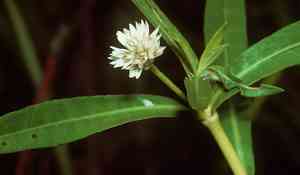
Alligatorweed (Alternanthera philoxeroides)
Also known as: Alligator weed
Alligatorweed (Alternanthera philoxeroides) is an invasive, non-woody perennial plant in the United States. This plant, not native to the region, thrives in aquatic environments and along shorelines in states such as Florida, Texas, and Louisiana. It produces clusters of white, clover-like flowers from winter through spring.
In This Article
Attributes of Alligatorweed
Lifespan
Perennial
Plant Type
Herb
Plant Height
30 cm to 91 cm
Spread
4 m
Leaf Color
Green Blue
Flower Size
8 mm to 1.5 cm
Flower Color
White
Images of Alligatorweed
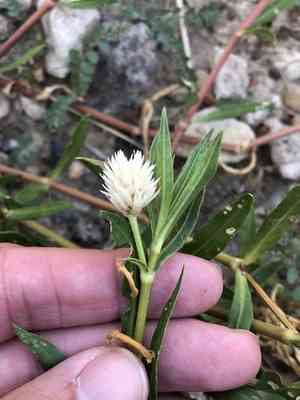
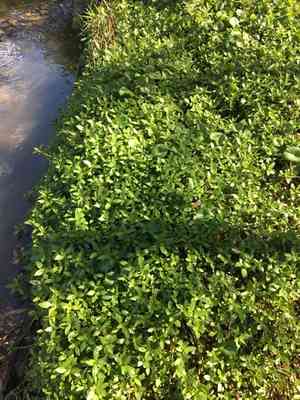
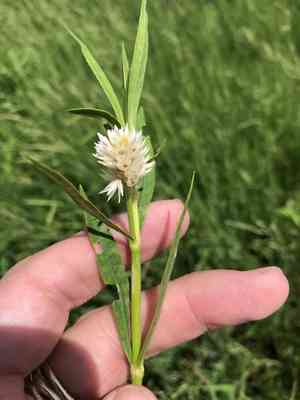
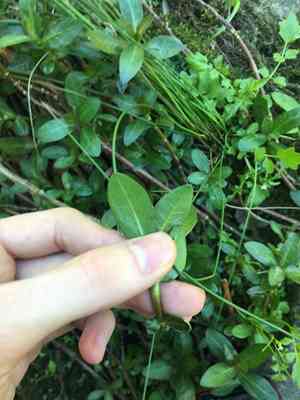
Quickly Identify Alligatorweed
1
Opposite, elliptic leaves up to 3 inches (7.5 cm) long with smooth texture.
2
Dense, floating mats supported by hollow stems up to 10 feet (3 meters) long.
3
Small, white, globular flower clusters at leaf axils for identification.
4
Clover-like white flowers in dense, papery racemes lacking fragrance.
5
Fruit rarely produces viable seeds, small, single-seeded utricle with pale color.
Scientific Classification of Alligatorweed
Phylum
Vascular plants
Class
Dicotyledons
Order
Caryophyllales
Family
Amaranth
Genus
Joseph's coat
Species
Alligatorweed
Planting and Growing of Alligatorweed
Care Difficulty
Easy
Watering Schedule
Every 3 days
Sunlight Requirements
Full sun
Sunshine Duration
6-10 hours
Ideal Temperature
68-86℉
Soil Type
Potting Mix, Peat Mix
Soil pH
6.5-7.5
Fertilizer Type
Balanced
Pruning Season
Spring, Summer
Pruning Area
Branches, Leaves
Pruning Frequency
2 times a year
Repotting Season
Spring
Pot Type
Ceramic, Plastic
 How to Water Alligatorweed?
The appropriate amount of water for Alternanthera philoxeroides per session is about 250 milliliters. When watering, aim to moisten the soil thoroughly but avoid waterlogging it, allowing water to reach the plant's roots. This mimics its natural habitat, where it thrives in damp conditions but should not be submerged.
What are the symptoms of an underwatered Alligatorweed?
›
What should I do if my Alligatorweed is not getting enough water?
›
What are the symptoms of an overwatered Alligatorweed?
›
How to save an overwatered Alligatorweed?
›
 What Are the Sunlight Requirements for Alligatorweed?
Alternanthera philoxeroides benefits from full to partial sunlight conditions, fostering robust, colorful foliage. Ideal light optimizes photosynthesis, enhancing nutrient uptake and boosting aesthetic appeal.
How to achieve ideal lighting?
›
What measures should I take for ideal sunlight?
›
What happens when ideal lighting is met?
›
 What Is the Ideal Temperature Range for Alligatorweed?
For Alternanthera philoxeroides, the optimal temperature range for growth is between 68°F and 86°F. Within this range, the plant can perform photosynthesis effectively, ensuring healthy foliage and vigorous growth. This temperature range mimics the plant's native tropical and subtropical environments, promoting robust development.
 What Soil is Best for Alligatorweed?
Alternanthera philoxeroides thrives best in soils with excellent drainage. This setup ensures that water does not stagnate around the roots, preventing root rot and promoting healthy growth. A nutrient-rich soil boosts the growth of Alternanthera philoxeroides, offering essential minerals for lush foliage and robust structure. A balanced mix of organic compost helps maintain these nutrient levels. Consistency in moisture without oversaturation is key for Alternanthera philoxeroides. Maintaining this balance enables the plant to uptake nutrients effectively without experiencing stress from excessive water.
 How to Fertilize Alligatorweed?
When fertilizing Alternanthera philoxeroides, use a balanced fertilizer. For liquid fertilizers, a dilution rate of 1 teaspoon per gallon of water is recommended. For slow-release fertilizers, apply according to the manufacturer's instructions, but generally, a quantity that covers the plant's root zone should be sufficient.
 How to Prune Alligatorweed?
Start by identifying overgrown or damaged stems. Use sharp, clean pruning shears to make a cut just above a leaf node to promote bushier growth. Trim back any leggy stems to encourage a fuller appearance. Regularly remove any dead or discolored leaves to improve plant health. Ensure that you maintain a neat and compact shape to prevent the plant from becoming too invasive.
 How to Propagate Alligatorweed plant?
1
Choose a healthy parent plant with no signs of disease or pest infestation. This ensures that your cuttings will be strong and viable.
2
Use sterilized pruning shears to take cuttings approximately 10-15 centimeters in length. Cut just below a node to maximize root growth potential.
3
Dip the cut ends of the cuttings into rooting hormone, then plant them in a well-draining potting mix. Water them thoroughly after planting.
 How to Repot Alligatorweed plant?
1
Keep an eye on your Alternanthera philoxeroides for signs that it needs repotting. Look for roots growing out of the drainage holes, soil that dries out too quickly, or stunted growth. These are clear indicators that your plant requires a larger home.
2
Select a pot that is 1-2 inches larger in diameter than the current one. Ensure it has ample drainage holes to allow excess water to escape, preventing root rot. A slightly bigger pot avoids excessive soil that can become waterlogged and harm the roots.
3
Opt for a well-draining potting mix rich in organic matter. Such soil ensures that Alternanthera philoxeroides receives excellent air flow and moisture retention, promoting healthy root development while preventing waterlogged conditions.
Toxicity
Ingestion
WARNING
The judgment on toxicity and danger is for reference only. We DO NOT GUARANTEE any accuracy of such judgment. Therefore, you SHALL NOT rely on such judgment. It is IMPORTANT TO SEEK PROFESSIONAL ADVICE in advance when necessary.


